


Cultural concept
Environmental justice
The idea that every community, rich or poor, has the right to clean water and a safe environment, and to justice when it is harmed.
Key question: Can the law protect people who have no power?
Watch → Film language → Context & history → Characters → Speak → Write → Project → Closing: place & exchange
Context & history → Characters → Speak → Write → Watch the trailer → Film language → Final task: Project → Closing: place & exchange
Guiding thread: Finding one’s place in the world · Sub-thread: Giving and receiving, we can only give and receive from a place.
Theme: Justice & the environment
Overview
Hook, finding one’s place
Guiding thread: Finding one’s place in the world · Sub-thread: Giving and receiving, we can only give and receive from a place.
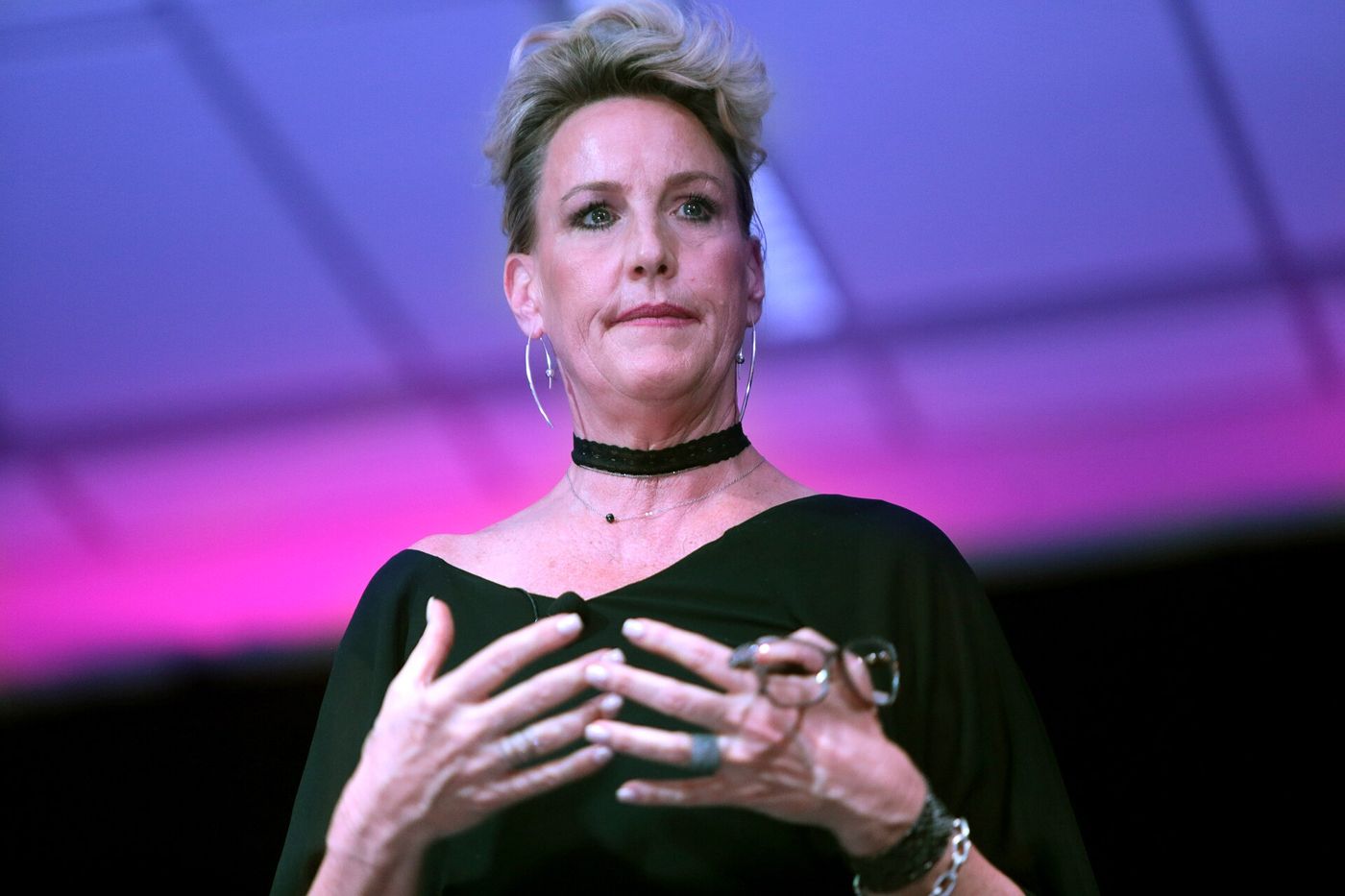
Finding one’s place in the world · Young people today
Erin Brockovich has no law degree, but she makes her place by fighting for the families of Hinkley. Today, why do so many young people get involved in the fight for clean water and a safe environment?
Sentence starters
- Erin makes her place by…
- Young people get involved for the environment because…
- One person can make a difference when…
- Fighting for others can give young people…
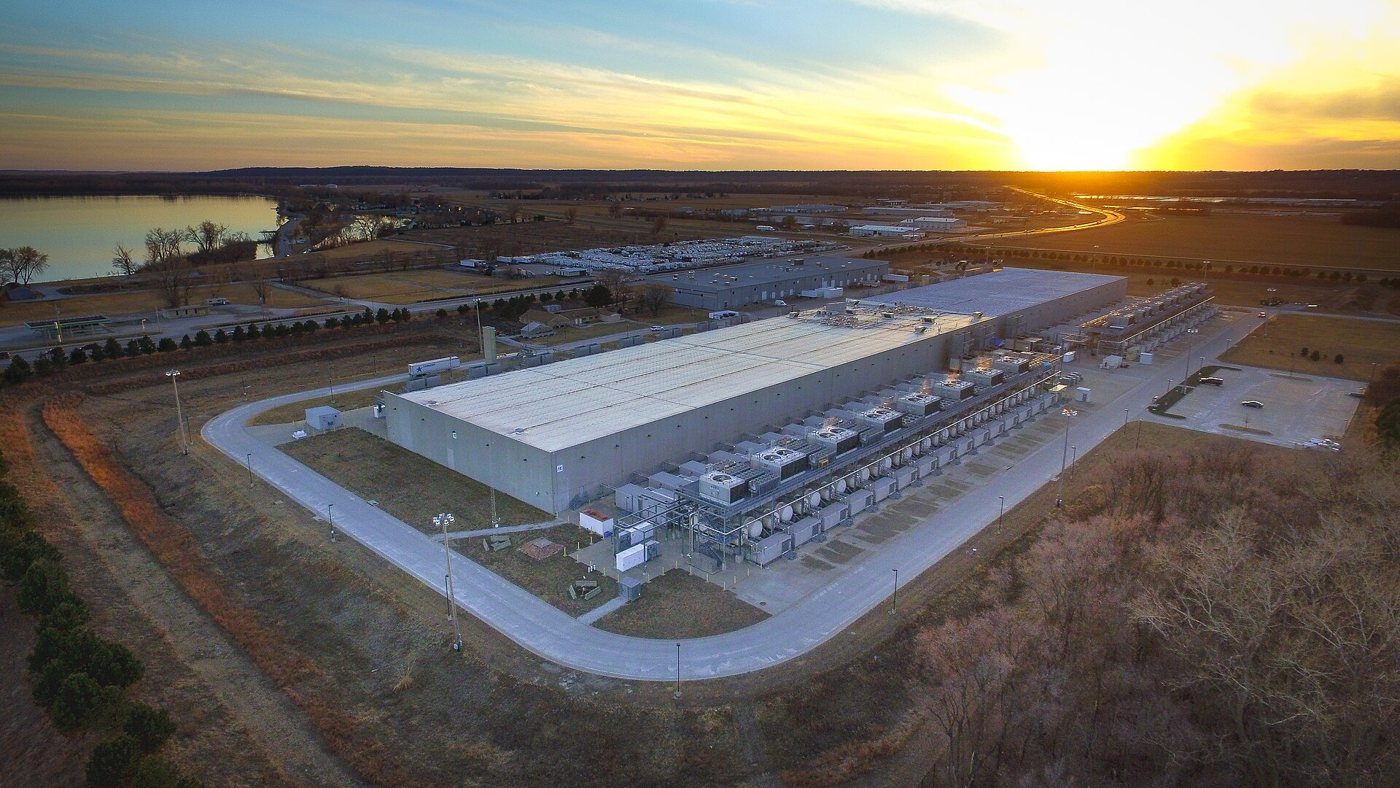
Erin today. In 2026, the real Erin Brockovich is fighting AI data centres in the USA. See the step Erin today in the Context & history tab.
Visionary filmmakers. Back in 2000, Steven Soderbergh was already showing a town fighting for clean water, long before young people marched for the climate around the world.
Talk about the characters and about young people in general, not about yourself.
Then, a second question:
Can one person without a diploma beat a giant company? And what would you need: evidence, allies, courage, a lawyer, or all of them?
Sentence starters
- To win against a big company, you need…
- The most powerful weapon is… because…
- A person without a law degree can still…
The film in three lines
California, early 1990s. Erin Brockovich, a single mother of three with no legal training, talks her way into a job at the small law firm of Ed Masry. Filing real estate papers, she finds medical records where they should not be. Her investigation leads to Hinkley, a desert town whose groundwater was polluted with hexavalent chromium by the utility PG&E · and to one of the largest settlements of its time: $333 million in 1996.
Your mission: learn the language of the law, investigate the real documents like Erin, interview a client, negotiate a settlement and pitch the case.
Start with the trailerFilm study sheetJustice & the environment
Your route through this study
- Watch · the trailer, three viewings.
- Law words · the vocabulary of investigations and law firms (Context tab).
- Investigate like Erin · document analysis (Context tab).
- Speak · client interview, settlement meeting, pitch.
- Write · a case summary and an opinion piece.

Film sheet

Film study sheet · printable, clickable, with QR code.
Open the printable sheethttps://trame-lycee.netlify.app/films/fiche-erin-brockovich.html
Film credits
| Title | Erin Brockovich (USA, 2000) |
|---|---|
| Director | Steven Soderbergh |
| Screenplay | Susannah Grant |
| Producers | Danny DeVito, Michael Shamberg, Stacey Sher |
| Cast | Julia Roberts (Erin Brockovich), Albert Finney (Ed Masry), Aaron Eckhart (George), Marg Helgenberger (Donna Jensen), Peter Coyote (Kurt Potter), Cherry Jones (Pamela Duncan), Veanne Cox (Theresa Dallavale). The real Erin Brockovich and Ed Masry make brief appearances. |
| Cinematography | Ed Lachman |
| Editing | Anne V. Coates |
| Music | Thomas Newman |
| Distributors | Universal Pictures (USA), Columbia TriStar (international) |
| Running time | 131 minutes |
| Release (USA) | 17 March 2000 |
| Rating | R, language |
| Awards | 73rd Academy Awards (2001): 5 nominations, 1 Oscar, Best Actress (Julia Roberts); nominations for Best Picture, Director, Supporting Actor (Albert Finney), Original Screenplay |
Film language, with examples from the official trailer
Timecodes refer to the official trailer and are approximate (± 5 s): versions online may differ slightly.
Shots
| Word | Meaning |
|---|---|
| establishing shot / extreme long shot | shows the place; people look tiny |
| long shot | a whole body in its setting |
| medium shot | from the waist up |
| close-up | a face fills the frame: emotion |
| extreme close-up | a detail: eyes, a hand, an object |
| two-shot | two characters in one frame: a relationship |
| over-the-shoulder shot | we watch one character through another’s position |
- ≈0:03close-up on Erin at a job interview: talking fast, all energy
- ≈1:57extreme long shot of a straight desert road with power poles: Hinkley’s isolation
- ≈0:57framing through window blinds: someone is watching, a world of secrets
Angles
| Word | Meaning |
|---|---|
| eye level | neutral, we are equal with the character |
| high angle | camera above: the character looks small or weak |
| low angle | camera below: the character looks powerful |
| canted (Dutch) angle | tilted frame: unease, a world out of balance |
| bird’s-eye view | straight down from above |
- ≈1:15low angle on Erin taking a photo against a wide blue sky: she becomes a strong investigator
- ≈2:03shot / reverse shot at eye level across a meeting table: two sides face each other
Camera movement
| Word | Meaning |
|---|---|
| pan | the camera turns horizontally |
| tilt | the camera moves up or down |
| tracking shot | the camera travels with a character or a car |
| zoom | the lens brings us closer |
| handheld camera | shaky, urgent, documentary feel |
| crane / aerial shot | the camera flies above the scene |
- ≈1:09handheld camera follows Erin walking fast through an office
Lighting & colour
| Word | Meaning |
|---|---|
| high-key lighting | bright, few shadows: optimism |
| low-key lighting | dark, strong shadows: tension, mystery |
| backlighting | light behind a character: a halo or a silhouette |
| natural light | sun, windows, candles |
| colour palette | the dominant colours of the film |
- ≈1:57sandy, dusty yellow tones for the desert
- ≈0:27warm lamp light at a kitchen table at night: exhaustion, family life
- ≈2:03cold, neutral office light in the meeting room: the world of corporate lawyers
Sound
| Word | Meaning |
|---|---|
| diegetic sound | the characters can hear it (a radio, a piano on stage) |
| non-diegetic sound | only the audience hears it (the score, a narrator) |
| voice-over | a voice we hear over the images |
| score | music composed for the film |
| silence | no sound: a shock, a pause |
| sound bridge | a sound that continues into the next scene |
- whole trailerthe song “Everyday Is a Winding Road” (Sheryl Crow) carries the rhythm
- ≈2:14a line with a double meaning about water, the punchline of a scene
Editing
| Word | Meaning |
|---|---|
| cut | a direct change of shot |
| cross-cutting | alternating between two places or stories |
| montage | a fast series of shots that compresses time |
| fade to black | the image disappears: an ending, a pause |
| intertitle | text on screen between images |
| slow motion | time slows down: importance, emotion |
- ≈0:15the actress’s name written on screen like handwriting
- whole trailerfast cuts between comedy and serious investigation
- ≈2:03 → 2:15shot / reverse shot: a duel of words
Step into the period
Daily life
- Early 1990s: fax machines, paper files, photocopiers, pagers; no smartphones
- Research means driving, knocking on doors and reading files in public offices
- Childcare is a daily problem for a working single parent
Music
- Pop-rock and country of the 1990s; Sheryl Crow in the trailer
- Thomas Newman’s light guitar score
Fashion
- Erin’s bold style, short skirts, high heels, big hair, shocks the conservative office
- Suits and ties for lawyers; work clothes and caps in Hinkley
Places
- The San Fernando Valley and Los Angeles law offices
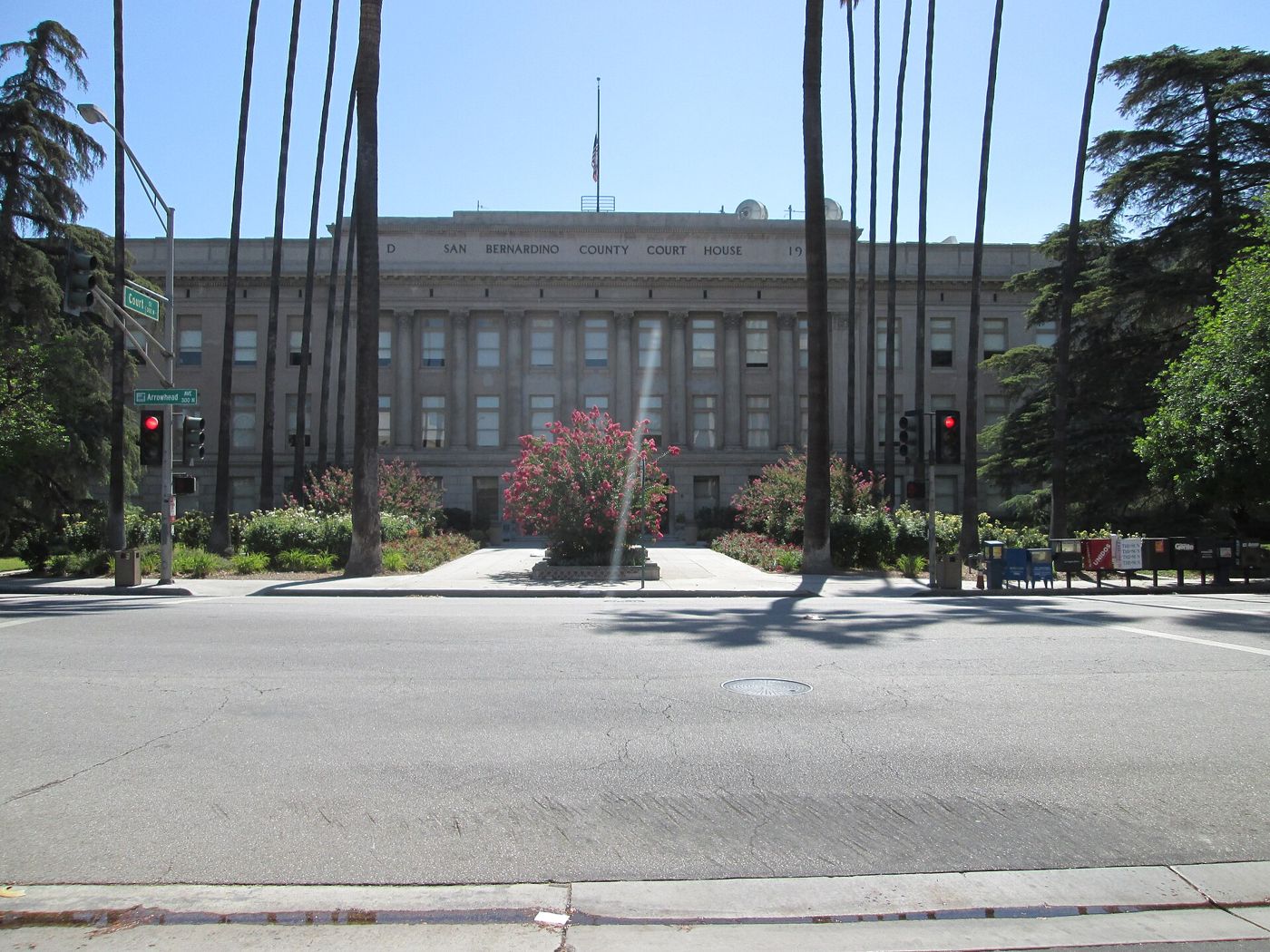
- Hinkley, a small community in the Mojave Desert, San Bernardino County
- The PG&E Hinkley compressor station, about two miles southeast of town
Historical landmarks
- 1952 PG&E starts using hexavalent chromium against corrosion at its Hinkley compressor station (the Water Board gives 1952; the LA Times dates the case to 1951).
- 1952 to 1966 Wastewater is discharged into unlined ponds; part of it reaches the groundwater.
- 1970 The Environmental Protection Agency (EPA) is created.
- 1972 The Clean Water Act becomes law.
- 1974 The Safe Drinking Water Act protects public drinking water.
- 1987 7 December: PG&E informs the local Water Board of the chromium contamination.
- 1993 Erin Brockovich, a legal clerk for Ed Masry, investigates; more than 600 Hinkley residents file a lawsuit against PG&E (Anderson et al. v. PG&E).
- 1994 to 1996 Binding arbitration: awards of about $121 million to the first 39 plaintiffs, under a $400 million cap.
- 1996 2 July: PG&E agrees to pay $333 million to about 650 plaintiffs.
- 2000 17 March: Erin Brockovich is released.
- 2001 Julia Roberts wins the Oscar for Best Actress.
- 2014 1 July: California sets a drinking-water limit for chromium 6 (10 µg/L).
- 2017 A court invalidates this limit.
- 2024 California adopts a new limit of 10 µg/L (effective 1 October 2024).
Sources: Lahontan Regional Water Quality Control Board · Los Angeles Times, 3 July 1996 · California State Water Resources Control Board
Watch
Official trailer
Before you watch
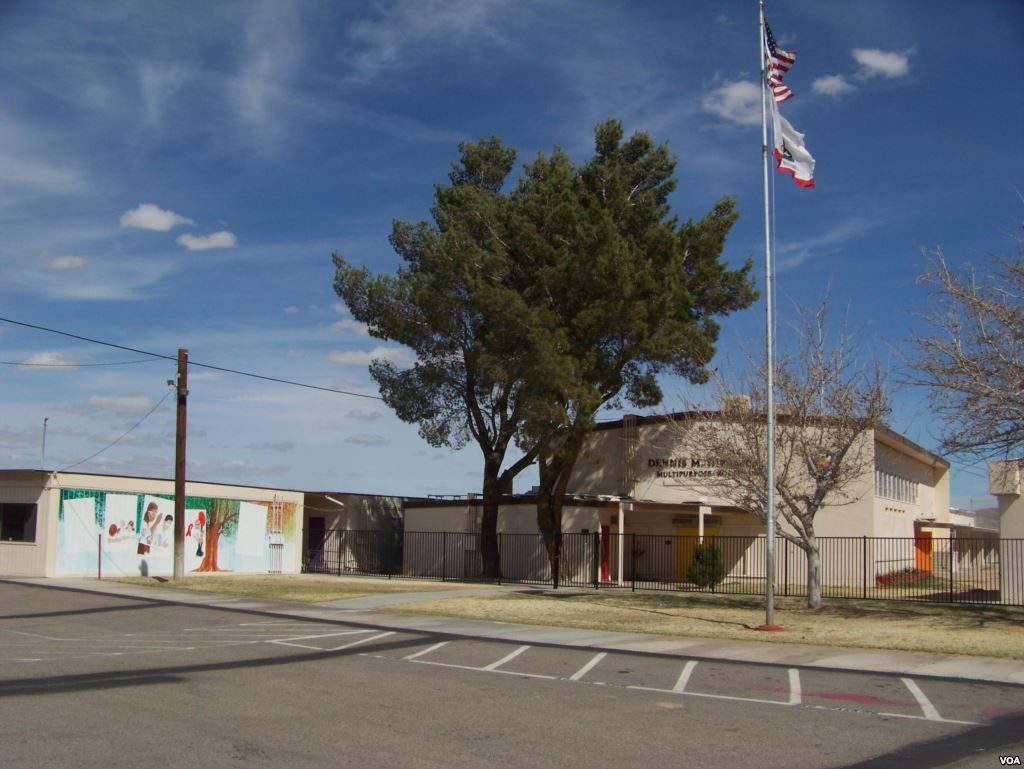
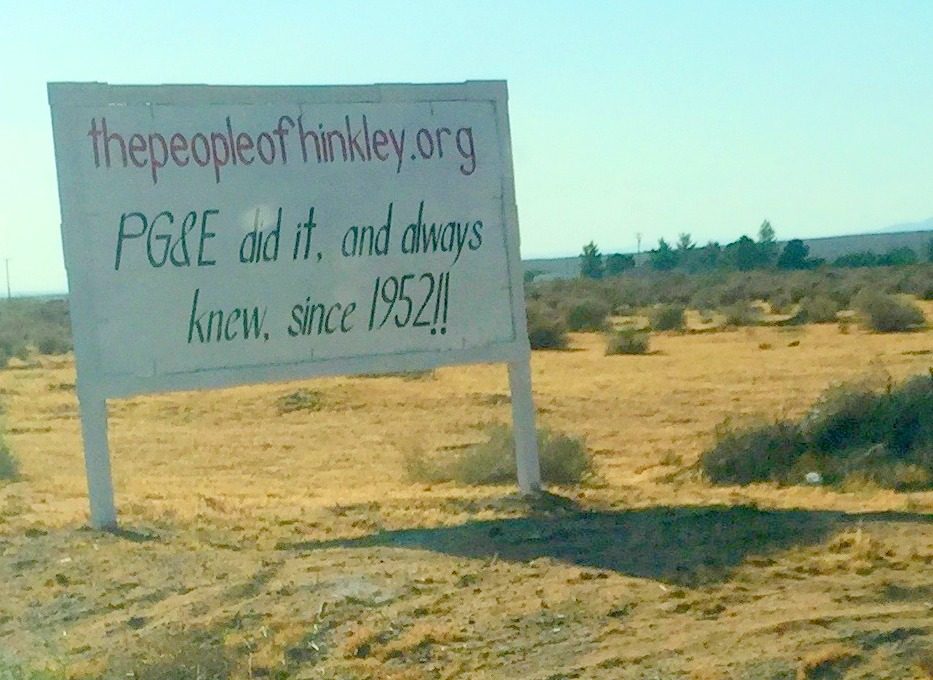
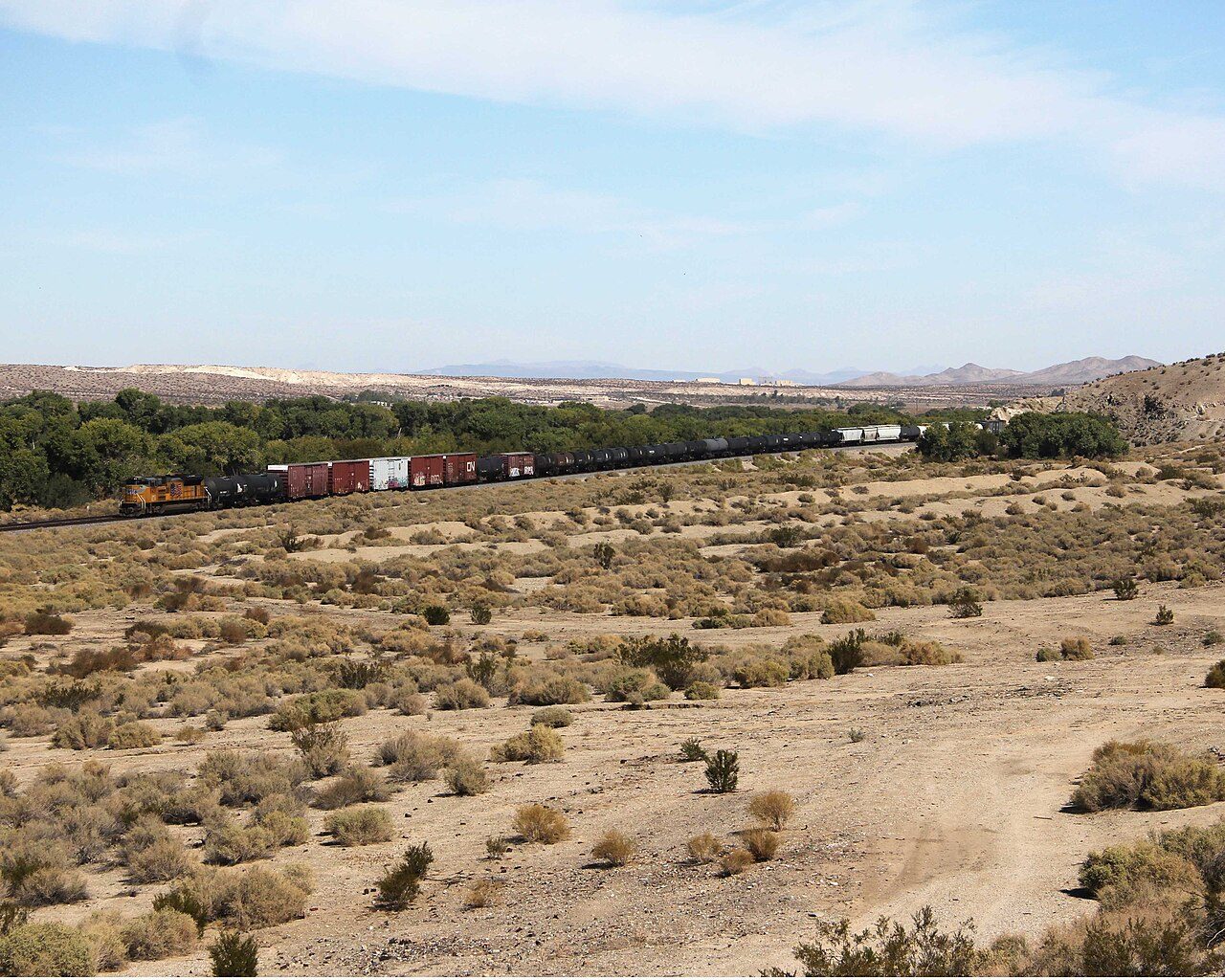
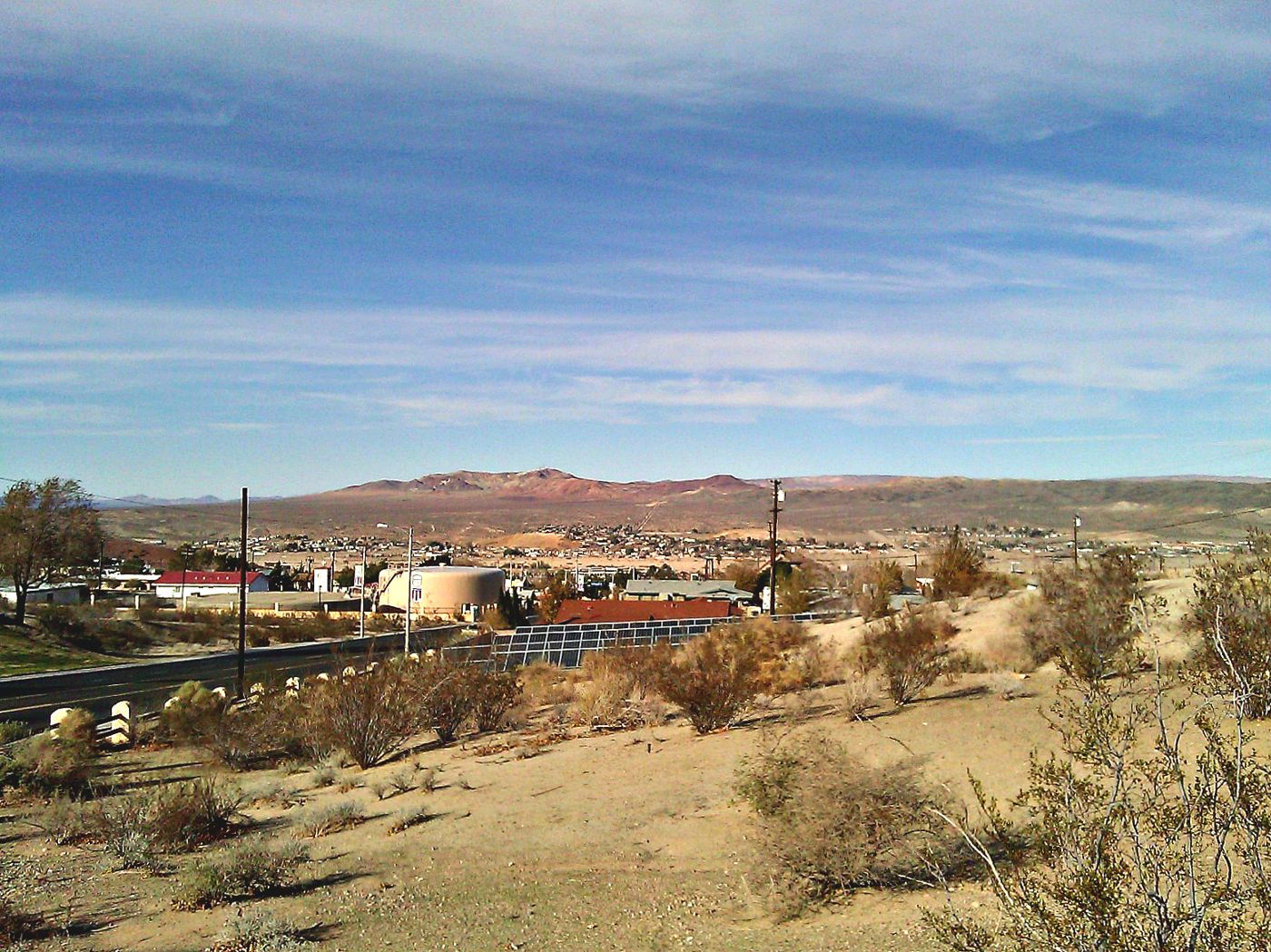
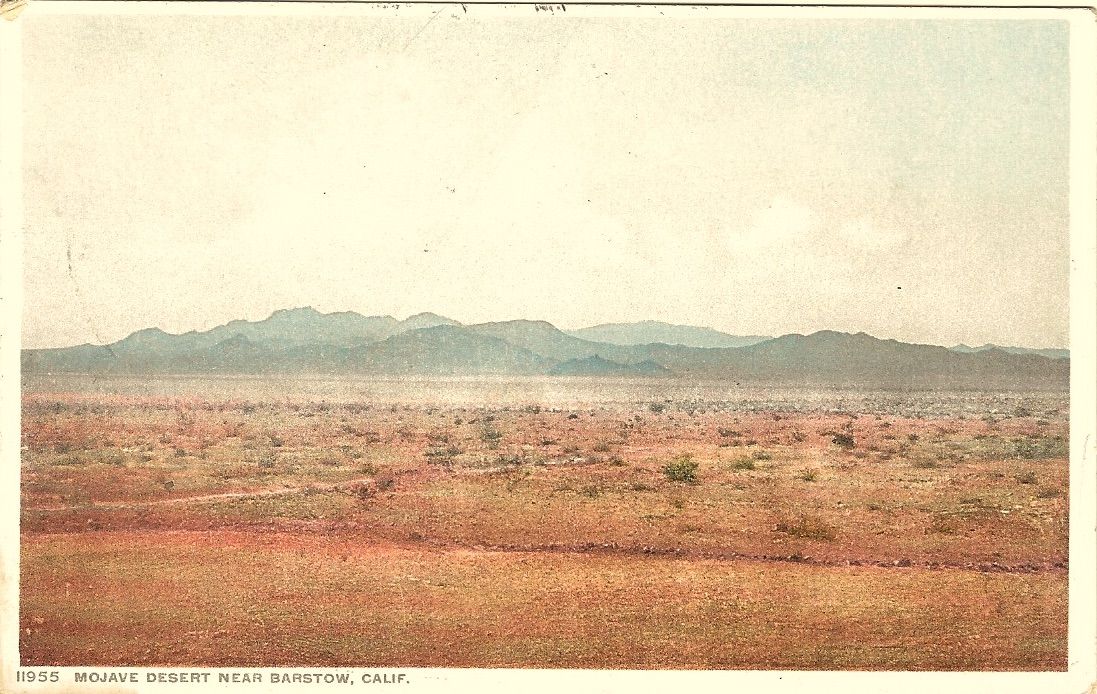
Look at the gallery: a desert, a small town, a courthouse, a woman. Predict the story in three sentences.
Sentence starters
- I think the story takes place in…
- The courthouse suggests that…
- The woman might…
First viewing, global understanding
- What does Erin need at the beginning, and how does she try to get it?
- Where does she find something strange? What is it?
- Which chemical is mentioned? Is it dangerous?
- Erin says: “I hate lawyers. I just…”, how does the sentence end?
- Why does her boss say she makes the case “personal”? How does she answer?
- What has Erin collected at the end (“every single one”)?
Answer key
- A job; she insists: “I’m smart. I’m hardworking, and I’ll do anything. And I’m not leaving here without a job.”
- In real estate files: medical records and blood samples.
- Hexavalent chromium: “can be very harmful”, “So it kills people.”
- “…work for them.”
- She is emotional; she answers that it is her work, her sweat, her time away from her kids.
- Signatures: “They’re all signed, every single one.”
Second viewing, exact words
- “Why are there medical records and blood ___ in real estate files?”
- “Would you mind if I ___ this a little further?”
- “We’re going to have to spend a little time filling in the ___ in your research.”
- “For the first time in my life, I got people ___ me.”
- “$20 million is more money than these people have ever ___ of.”
- “By the way, we had that ___ brought in special for you folks.”
Answer key
- samples
- investigate
- holes
- respecting
- dreamed
- water
Third viewing, the water line
At the end of the trailer, Erin’s team offers a glass of water to corporate lawyers: “By the way, we had that water brought in special for you folks.” Explain the irony. Why is it the perfect last line?
Sentence starters
- The irony is that…
- The lawyers suddenly understand…
- This line sums up the case because…
Film language
Filming an investigation
| Moment | Technique | Meaning |
|---|---|---|
| ≈0:03 job interview | close-up, fast dialogue | Erin fills the frame: she refuses to be ignored |
| ≈1:15 Erin with a camera | low angle against the sky | she becomes the investigator, collecting evidence |
| ≈1:57 the desert road | extreme long shot, dusty colours | Hinkley is isolated, far from power |
| ≈2:03 meeting room | shot / reverse shot | a duel: a small firm versus a giant |
Sentence starters
- The director uses… to show that Erin…
- The contrast between the office and the desert…
- The shot / reverse shot turns the meeting into…
Light and colour
Compare the warm, dusty tones of Hinkley with the cold light of the meeting room. What do these two palettes say about two worlds?
Context & history
Law words, the vocabulary of the case
| Word | Meaning | Example |
|---|---|---|
| lawsuit | a case brought to a court by one party against another | Hinkley residents filed a lawsuit against PG&E in 1993. |
| plaintiff | the person who brings a case to court | More than 600 plaintiffs joined the case. |
| defendant | the person or company accused in a case | PG&E was the defendant. |
| attorney / lawyer | a professional who represents clients | Ed Masry is an attorney. |
| law firm | a company of lawyers | Masry & Vititoe is a small law firm. |
| partner | a senior lawyer who co-owns the firm | Kurt Potter becomes a partner in the case. |
| paralegal / file clerk | a non-lawyer who helps lawyers with research and files | Erin starts as a file clerk and works like a paralegal. |
| evidence | documents, facts or objects that prove something | Water samples and records are evidence. |
| deposition | an interview under oath, recorded before a trial | Witnesses give depositions. |
| to sue / to file a claim | to start legal action | Families decide to sue the utility. |
| settlement | an agreement to end a case, usually with money, without a trial verdict | PG&E agreed to a $333 million settlement. |
| arbitration | a private process in which an arbitrator, not a jury, decides | The case went to binding arbitration. |
| class action / mass tort | a case for many people harmed in the same way | The Hinkley case is often called a class action; technically, it was a mass toxic tort. |
| toxic tort | a claim for harm caused by a dangerous substance | Chromium 6 in drinking water led to a toxic tort. |
| liability / liable | legal responsibility / legally responsible | Is the company liable for the illnesses? |
| damages | money paid to compensate harm | The plaintiffs asked for damages. |
| statute of limitations | the time limit to start a case | Lawyers must act before the deadline. |
| hexavalent chromium (chromium 6) | a toxic form of the metal chromium | PG&E used it against corrosion. |
| groundwater / aquifer | water under the ground / the rock layer that holds it | Wells pump groundwater for drinking. |
| plume | an area of contaminated groundwater spreading underground | The plume is at least eight miles long. |
| contamination / to contaminate | pollution / to make impure | Wastewater contaminated the aquifer. |
| cleanup order | an official order to clean a polluted site | The Water Board issued a Cleanup and Abatement Order. |
| utility | a company providing gas, electricity or water | PG&E is a utility. |
| compressor station | a site that pushes natural gas through pipelines | The Hinkley compressor station is two miles southeast of the town. |
Practise: cover the “Meaning” column and explain each word in your own English.
Investigate like Erin, the real documents
Erin built her case with records, maps and testimonies. Do the same with three real documents.
Document A, the Water Board
“PG&E’s natural gas Compressor Station is located approximately two miles southeast of the town of Hinkley and a dozen miles west of Barstow in the Mojave Desert of San Bernardino County. Between 1952 and 1966, PG&E used hexavalent chromium, also known as chromium 6, to fight corrosion in cooling tower water. The wastewater from the cooling towers was discharged to unlined ponds at the site. Some of the wastewater percolated to the groundwater, resulting in hexavalent chromium pollution. The chromium affects an area of groundwater at least eight miles long and two miles wide.”
Lahontan Regional Water Quality Control Board, “Hinkley Compressor Station Chromium Contamination Cleanup”Document B, the newspaper
“Pacific Gas & Electric Co., the nation’s largest investor-owned utility, agreed Tuesday to pay $333 million to residents of the tiny desert community of Hinkley, Calif., who blamed cancers and other diseases on contaminated water leaking from a gas pumping station.”
Los Angeles Times, 3 July 1996“PG&E decided to settle after two years of binding arbitration led to awards of $121 million to 39 plaintiffs. Under the terms of the arbitration, the company could have been required to pay up to $400 million.”
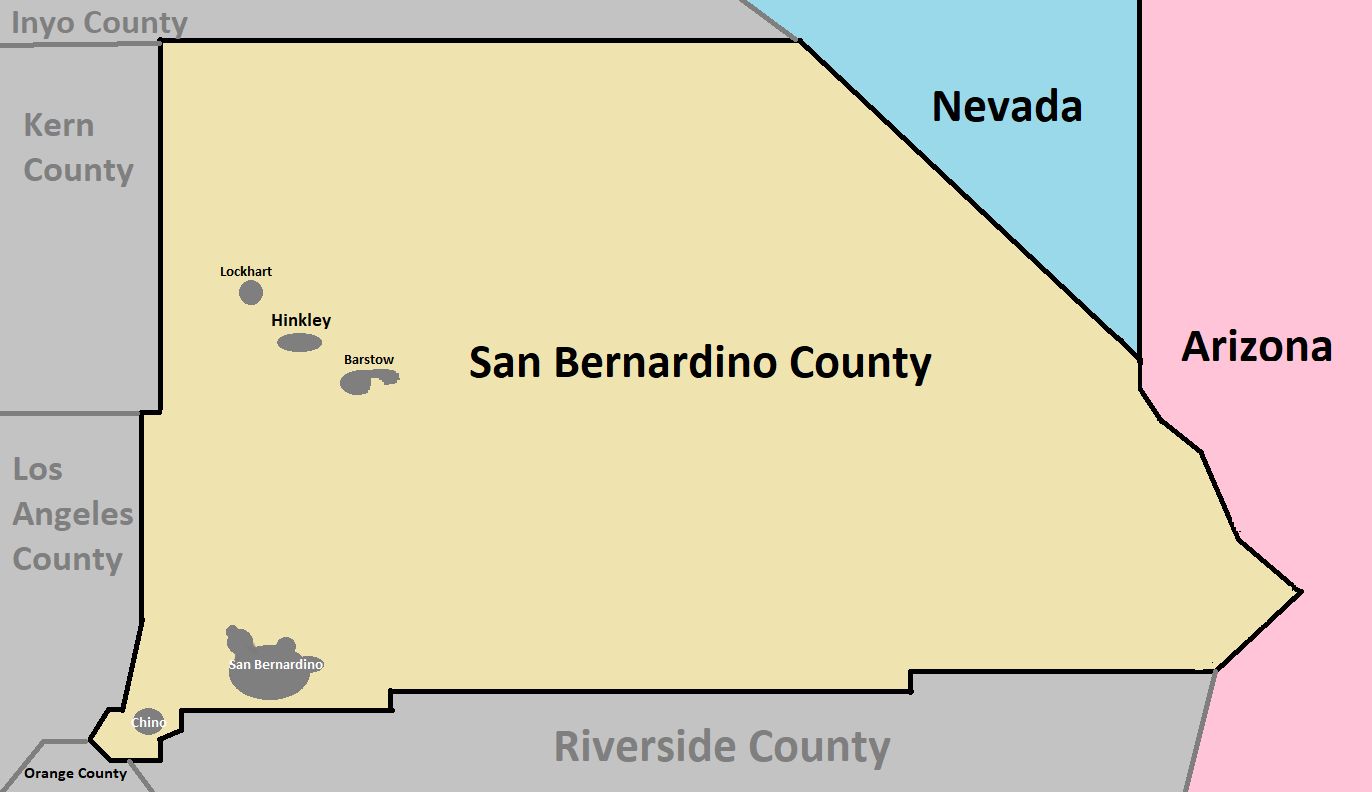
Los Angeles Times, 3 July 1996Document C, the map
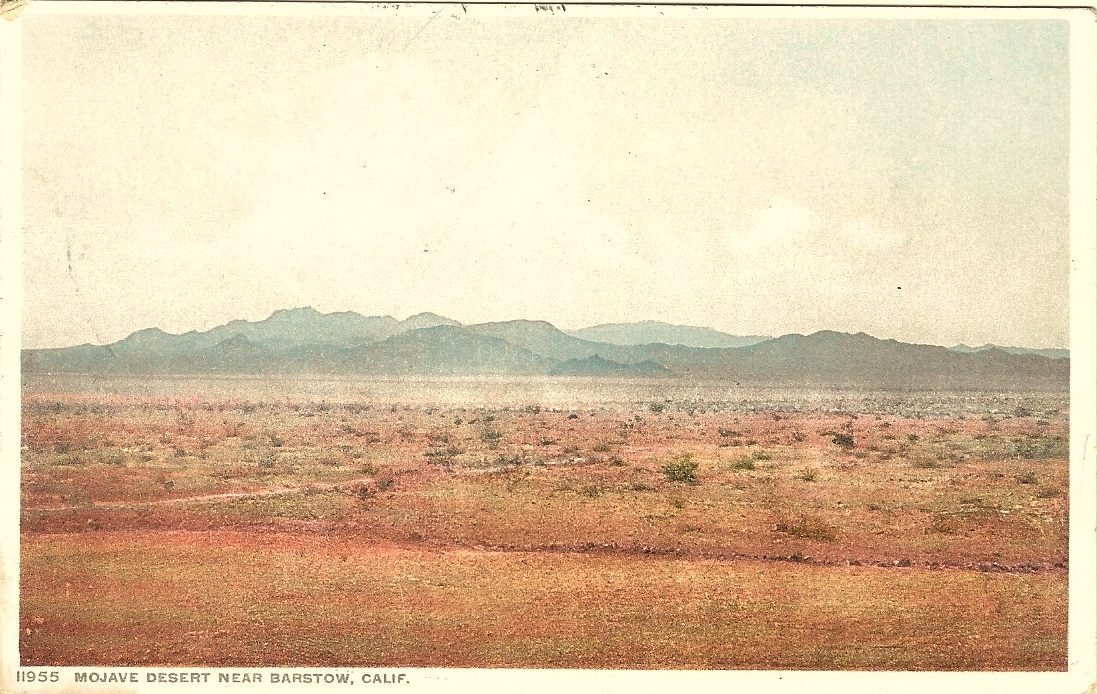
Look at the map of San Bernardino County and the photo of Barstow in the gallery. Locate Hinkley.
Your case file
- Who? Name the company and the community.
- Where? Give the exact location of the compressor station.
- When? Give the dates of the pollution, the lawsuit and the settlement.
- What? Name the chemical and explain why it was used.
- How? Explain step by step how it reached the groundwater.
- How big? Give the size of the plume.
- How much? Compare $121 million, $333 million and $400 million: why did PG&E settle?
- Contradiction check: Documents A and B give different start dates (1952 / 1951). How would a good investigator deal with this?
Answer key
- PG&E (Pacific Gas & Electric); Hinkley, California.
- About two miles southeast of Hinkley, a dozen miles west of Barstow, Mojave Desert, San Bernardino County.
- Pollution 1952 to 1966; lawsuit filed 1993; settlement agreed on 2 July 1996 (reported 3 July).
- Hexavalent chromium (chromium 6), to fight corrosion in cooling tower water.
- Cooling tower wastewater → unlined ponds → percolation → groundwater.
- At least eight miles long and two miles wide.
- The first 39 plaintiffs already won $121 million; with about 650 plaintiffs, the total risk was up to $400 million; $333 million ended the case.
- Note both sources, check a third (official records), and say “in the early 1950s” when unsure.
Sentence starters
- According to Document A,…
- The newspaper reports that…
- The two sources disagree on…, so…
- The evidence clearly shows…
After the film, the long cleanup
The story did not end in 1996. The Water Board still orders PG&E to contain and clean the plume (Cleanup and Abatement Order R6V-2015-0068). California set a drinking-water limit for chromium 6 in 2014, a court cancelled it in 2017, and a new limit of 10 micrograms per litre took effect on 1 October 2024 (California State Water Resources Control Board).
Sentence starters
- It took… years to…
- This shows that environmental justice…
Fact or film?
The film is based on a true story, but some characters are composites or invented and some events are dramatised. The case was often called a class action; technically, each plaintiff’s claim was handled individually in arbitration.
Sentence starters
- The film simplifies… because…
- What matters most is…
Erin today, from Hinkley to AI data centres (2026)
Sources: The Guardian, 29 June 2026 (Zoe Williams) · Brockovich Data Center Reporting (Erin Brockovich’s map)
More than 25 years after the film, the real Erin Brockovich has a new fight. In April 2026 she asked people living near AI data centres in the USA to write to her; within a month, 3,862 people replied. With their reports she built an open map of AI data centres across the country. People worry about water (for cooling), energy and higher bills, noise from generators and cooling systems, and secrecy: some towns discover a project only after it has been approved.
“We’re up against forces that have all the money in the world”
Headline, The Guardian, 29 June 2026“This feels like Hinkley on steroids.”
Erin Brockovich, quoted in The Guardian, 29 June 2026“The environment tells you a story every single day if you stop and pay attention.”
Erin Brockovich, quoted in The Guardian, 29 June 20261 · Compare: Erin in the film (2000) and Erin today (2026)
| Erin in Steven Soderbergh’s film (2000) | Erin today (2026) | |
|---|---|---|
| The problem | polluted groundwater in Hinkley | … |
| Who she fights | a giant energy company, PG&E | … |
| Her tools | records, maps, testimonies, a law firm | … |
| Who she fights for | the families of Hinkley | … |
Sentence starters
- In the film, Erin fights against… ; today, she fights against…
- In both fights, the main resource at stake is…
- In 2000 she used… ; in 2026 she uses…
- What has not changed is…
2 · Discuss
- What makes someone keep fighting, whatever the fight?
- Most people put up with things. What makes a few people decide to act?
Sentence starters
- Erin keeps fighting because…
- A fight is still a fight, whether it is about… or…
- Most people put up with things because…
- A few people decide to act when…
- People like Erin give others…
Talk about Erin and about people in general, not about yourself.
Answer key
- Film: polluted water, PG&E, records and testimonies, the Hinkley families. Today: AI data centres; huge tech developers (“forces that have all the money in the world”); an online form, emails and an open map; communities all over the USA. Unchanged: water, people’s right to know, listening to residents.
- Open answer: a sense of justice, the people she listens to, the wish to protect water and nature (“The environment tells you a story every single day if you stop and pay attention.”).
- Open answer: fear, lack of time or information, the feeling of being powerless; a few act when they see the truth, when they are not alone, when someone shows them how, Erin organises people so that they can be heard together.
Characters
| Character (actor) | Who | Key word |
|---|---|---|
| Erin Brockovich (Julia Roberts) | single mother of three, file clerk turned investigator | tenacity |
| Ed Masry (Albert Finney) | lawyer, owner of a small law firm | trust |
| George (Aaron Eckhart) | Erin’s neighbour, a biker who looks after her children | support |
| Donna Jensen (Marg Helgenberger) | Hinkley resident whose family is ill | courage |
| Kurt Potter (Peter Coyote) | experienced toxic tort attorney who joins the case | experience |
| Theresa Dallavale (Veanne Cox) | lawyer who works with Potter | method |
| Pamela Duncan (Cherry Jones) | a Hinkley resident | testimony |
Task, Erin’s strengths and weaknesses
Find two strengths and two weaknesses of Erin in the trailer. Are her “weaknesses” (she is direct, emotional, unconventional) also strengths in her job?
Sentence starters
- Erin is… which helps her to…
- However, she can be…
- Her lack of training means…, but…
Speak
1 · Investigation report, 2 minutes (continuous speech)
Present your case file (Context tab) to the partners of the firm.
Sentence starters
- Our investigation concerns…
- The evidence shows that…
- Between 1952 and 1966,…
- We recommend that the firm…
2 · Client interview at a law firm (interaction)
Pairs. A is a paralegal at the firm; B plays a Hinkley resident (an invented character, never yourself). A must collect facts: how long they have lived there, where their water comes from, what they noticed, what documents they have. B answers using only the documents. Swap.
Sentence starters
- Thank you for coming in. Could you tell me…?
- How long have you…?
- Do you have any documents that…?
- I understand. Let me make sure I have this right:…
- Here is what happens next:…
3 · Mock settlement meeting (groups of 4 to 6)
Roles: two plaintiffs’ attorneys, two PG&E attorneys, one arbitrator, one note-taker. Facts on the table: 39 plaintiffs already awarded about $121 million; a cap of $400 million; about 650 plaintiffs. Each side opens (1 minute), then negotiate (6 minutes). The arbitrator summarises. Compare your figure with the real one: $333 million.
Sentence starters
- Our clients deserve…
- With respect, the evidence shows…
- We are prepared to offer…
- That figure is unacceptable because…
- Could we agree on…?
- To sum up the agreement,…
4 · Oral pitch, 90 seconds
You are Erin. Convince a big firm to join the case. Hook, facts, emotion, call to action.
Sentence starters
- Imagine a town where…
- Here are the facts:…
- These people don’t want to be rich; they want…
- Join us because…
5 · Debate, “Should companies always pay for past pollution, even after decades?”
Sentence starters
- The polluter should pay because…
- On the other hand,…
- In the Hinkley case,…
Write
Write
B2 · 200 to 250 words, case summary: Write the memo Erin gives to Ed Masry: facts, evidence, next steps. Use at least eight law words.
B2+ · 280 to 300 words, opinion piece: “Clean water is a right, not a privilege.” Use the Hinkley case.
Sentence starters
- To: Ed Masry · From: Erin Brockovich · Re: Hinkley
- Our evidence indicates that…
- I recommend that we…
- Access to clean water…
- Hinkley shows that…
For the exam
For the exam. In the baccalauréat général, English (LVA / LVB) is assessed through continuous assessment: your annual average in 1re and in Tle counts (coefficient 3 each year). At the end of Tle, your teachers also certify your CEFR level in each skill, listening, reading, writing, speaking (continuous) and speaking (interaction), on your official language certificate. Every task below is built on those five skills, with authentic documents linked to a programme axis, exactly like your class assessments.
What this film study trains
- Listening: trailer, three viewings.
- Reading: Water Board and LA Times documents.
- Speaking (continuous): investigation report, pitch.
- Speaking (interaction): client interview, settlement meeting, debate.
- Writing: memo, opinion piece.
Project
Project, “The Hinkley case file”
In groups, build a digital case file: timeline, map, vocabulary, the two documents, a 1-minute video pitch and an interview script. Present it as a law firm presenting to a jury of classmates.
Sentence starters
- Members of the jury,…
- Exhibit A shows…
- We ask you to…
Continue with the Justice & the environment hub: compare Hinkley with Promised Land, Food, Inc. and Super Size Me.
Closing: place & exchange
Step 1 · A place found or lost
Everything is exchange, and we can only give and receive from a place. First find each character’s place; then look at four kinds of exchange; then go deeper: what passes between the characters inside · trust, love, respect, meaning? Who do they become, not only what do they own?
Where is Erin’s place at the start of the film, and how does she make a new one?
Sentence starters
- At the start, …’s place is…
- At the end, … has found / lost his/her place because…
Answer key
- Erin starts with no job and no respect; she makes her place in the firm and becomes the families’ voice.
Step 2 · Four kinds of exchange
| Kind of exchange | In the film |
|---|---|
| Political | The case against PG&E and the Lahontan Water Board. |
| Emotional | Erin, her children and George; Erin and Donna Jensen. |
| General interest | The safety of Hinkley’s drinking water. |
| Human rights | The right to health and to the truth about what is in the water. |
Sentence starters
- The political exchange in the film is between… and…
- …gives… to…, and in return…
- This exchange serves the general interest because…
- …defends the right to…
Step 3 · Beyond what they have: who they are
Now go deeper, from the place each character has found or lost. Talk about the characters only.
- Erin remembers every plaintiff’s name and story. What does this tell the families about how she sees them?
- What does Erin receive from her work, beyond money?
- The film ends with a large bonus. Is that the most important thing Erin gains? Explain with a scene.
Sentence starters
- What really passes between… and… is…
- …does not only give…; he/she gives…
- Thanks to…, …understands who he/she is.
- At the end, what matters for… is not what he/she has but…
- This exchange changes… because…
- From his/her new place, … can at last give / receive…
Closing sentence (write it): From the place they find or lose, the deepest exchange in this film is…
Answer key
- They are people, not files: she listens to them and remembers their lives.
- Respect, confidence and a sense of purpose: for the first time, people take her seriously.
- No: the bonus is what she has; what she gains is who she is, someone who matters and fights for others. Price: less time with her children and George.
- Model closing sentence: Erin wins money, but she finds something deeper: respect and a purpose.
Teacher
Teacher notes
- Trailer: no rights-holder upload on YouTube (Universal / Sony). Link to the official trailer on IMDb; no embed.
- Axes: 1re « L’être humain et la nature », « Diversité et inclusion » (social class) · Tle « Espace privé et espace public », « Fictions et réalités ».
- Facts: Lahontan Water Board (1952 à 1966, plume 8 × 2 miles); LA Times 3 July 1996 ($333 M, $121 M / 39 plaintiffs, $400 M cap, 650 plaintiffs); State Water Board (chromium 6 limit).
- Thomas Girardi, the plaintiffs’ lawyer quoted by the LA Times, was later disbarred and convicted of stealing clients’ money: not quoted here.
- Optional critical-thinking point for Tle: the science of chromium 6 was itself contested (a 1987 Chinese study and its disputed 1997 “retraction”, prepared by a consulting firm working for PG&E).

Share this film study
https://trame-lycee.netlify.app/films/erin-brockovich.html
Created by Madame Carole Paoli Pompougnac.