


Cultural concept
Prejudice, stereotypes & diversity
How first impressions, fear and social position shape the way people see each other in a diverse city.
Key question: Are we defined by our worst moment, or by our best one?
Watch → Film language → Context & history → Characters → Speak → Write → Project → Closing: place & exchange
Context & history → Characters → Speak → Write → Watch the trailer → Film language → Final task: Project → Closing: place & exchange
Guiding thread: Finding one’s place in the world · Sub-thread: Giving and receiving, we can only give and receive from a place.
Theme: Civil rights & diversity
Overview
Hook, finding one’s place
Guiding thread: Finding one’s place in the world · Sub-thread: Giving and receiving, we can only give and receive from a place.
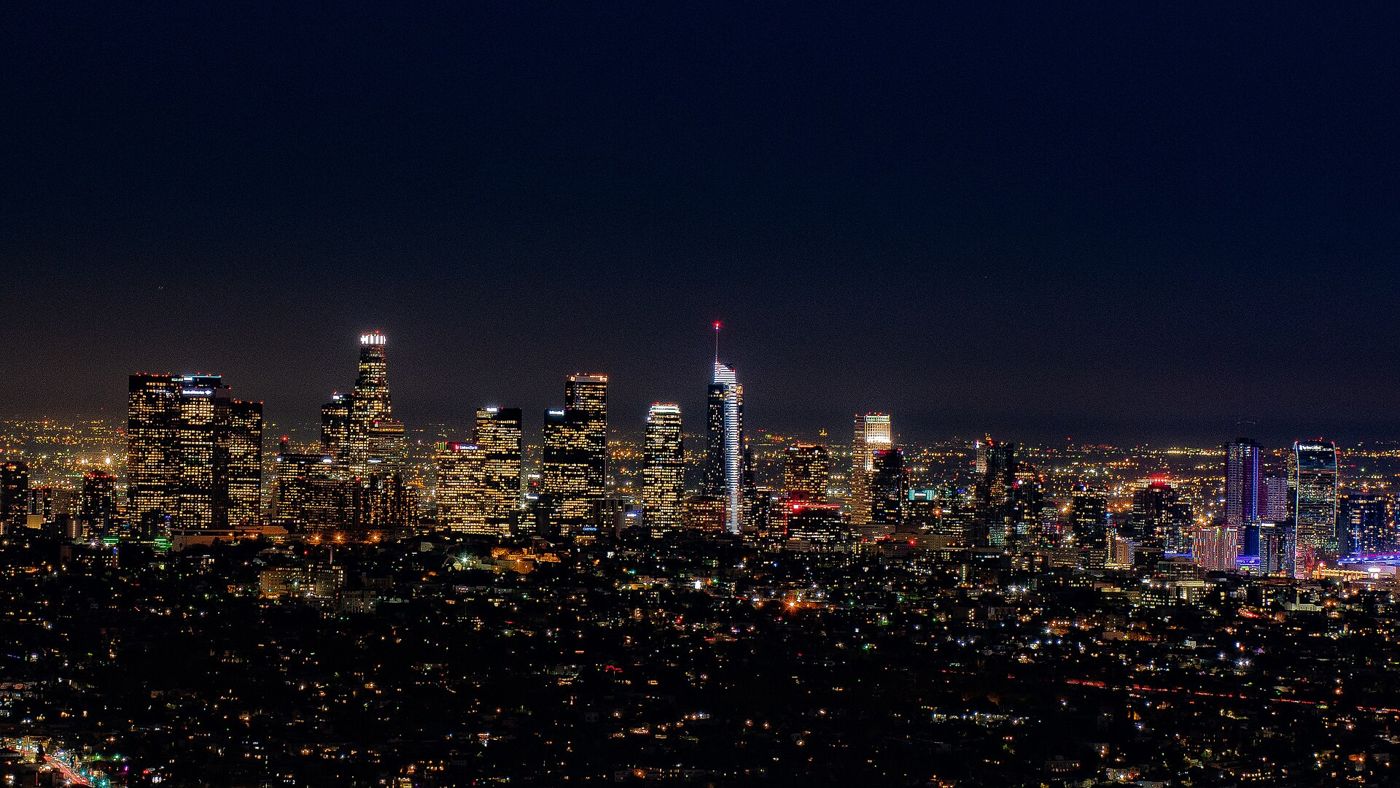
Finding one’s place in the world · Young people today
Farhad, Anthony and Jean all feel that they have no safe place in Los Angeles. When young people feel judged or invisible in their city, what do they do to make their voices heard?
Sentence starters
- Farhad feels out of place because…
- When young people feel judged, some of them…
- Young people can make their voices heard by…
- Instead of fear, a city needs…
Visionary filmmakers. Back in 2004, Paul Haggis was already showing a city where fear and prejudice divide neighbours, years before these debates spread on social media.
Talk about the characters and about young people in general, not about yourself.
Then, a second question:
Can you really know someone in two seconds? First impressions are fast: a face, a car, an accent, a uniform. In Crash, every character judges, and is judged.
Sentence starters
- People often judge others by… because…
- A first impression can be wrong when…
- A stereotype is dangerous because…
The film in three lines
Los Angeles, over about a day and a half. A district attorney and his wife, two police officers, a detective, a TV director and his wife, a Persian shop owner, a Hispanic locksmith, two young carjackers: their lives collide, sometimes literally. Each meeting tests a prejudice.
The official synopsis says the film “challenges audiences to confront their prejudices” (Lionsgate).
Your mission: decode the trailer, map the connections, explore Los Angeles as a city of cars and borders, then debate: are the characters only their worst moment?
Why this film matters
- An ensemble film: no single hero, many stories woven together.
- A city as a character: Los Angeles, its freeways, its neighbourhoods, its distances.
- A moral puzzle: the same person can act badly in one scene and heroically in another.
- A debated Best Picture: even its director questioned the award, perfect for critical thinking.
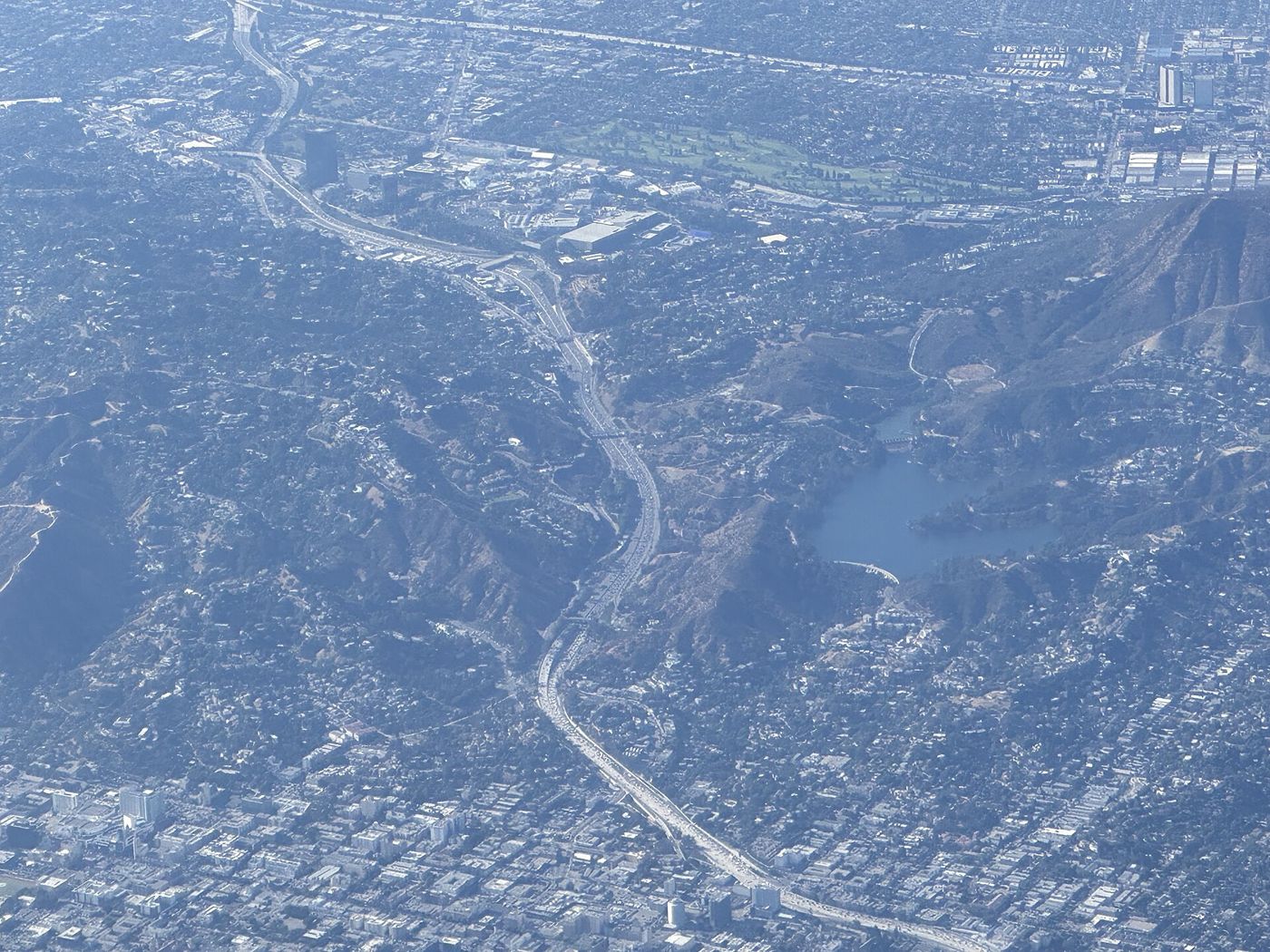
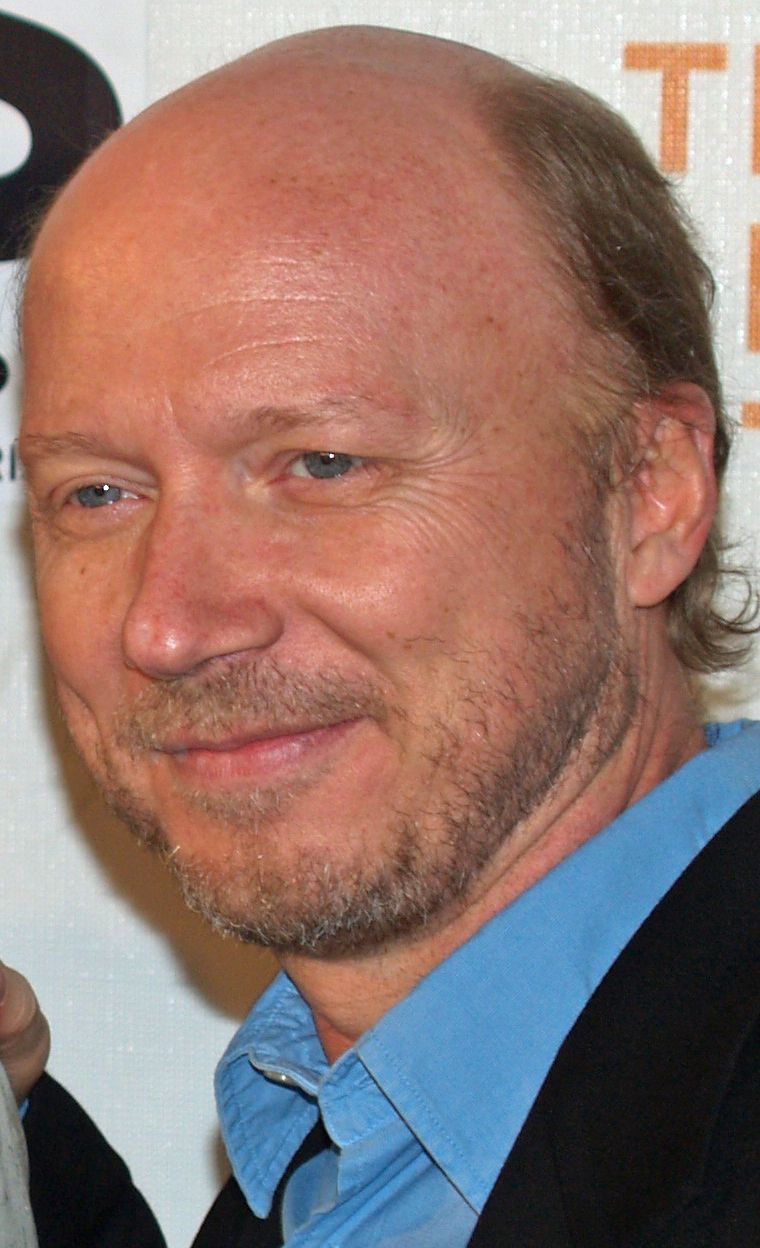
Film sheet

Film study sheet · printable, clickable, with QR code.
Open the printable sheethttps://trame-lycee.netlify.app/films/fiche-crash.html
Film credits
| Title | Crash (USA / Germany, 2004) |
|---|---|
| Director | Paul Haggis |
| Screenplay | Paul Haggis and Bobby Moresco; story by Paul Haggis |
| Cast | Don Cheadle (Det. Graham Waters), Sandra Bullock (Jean Cabot), Brendan Fraser (D.A. Rick Cabot), Matt Dillon (Sgt. John Ryan), Ryan Phillippe (Officer Tom Hansen), Terrence Howard (Cameron Thayer), Thandiwe Newton (Christine Thayer), Chris “Ludacris” Bridges (Anthony), Larenz Tate (Peter), Michael Peña (Daniel Ruiz), Shaun Toub (Farhad), Bahar Soomekh (Dorri), Jennifer Esposito (Ria) |
| Cinematography | J. Michael Muro |
| Editing | Hughes Winborne (Oscar) |
| Music | Mark Isham; song “In the Deep” by Kathleen “Bird” York and Michael Becker (Oscar nomination) |
| Distributor | Lions Gate Films (USA) |
| Running time | 112 minutes |
| Release | premiere at Toronto, 10 September 2004 · USA, 6 May 2005 |
| Rating | R, language, sexual content and some violence |
| Awards | 78th Academy Awards (5 March 2006): 6 nominations, 3 Oscars, Best Picture, Original Screenplay, Film Editing |
Film language, with examples from the official trailer
Timecodes are approximate (± 2 s). Pause the trailer and check each example yourself.
Shots
| Word | Meaning |
|---|---|
| establishing shot / extreme long shot | shows the place; people look tiny |
| long shot | a whole body in its setting |
| medium shot | from the waist up |
| close-up | a face fills the frame: emotion |
| extreme close-up | a detail: eyes, a hand, an object |
| two-shot | two characters in one frame: a relationship |
| over-the-shoulder shot | we watch one character through another’s position |
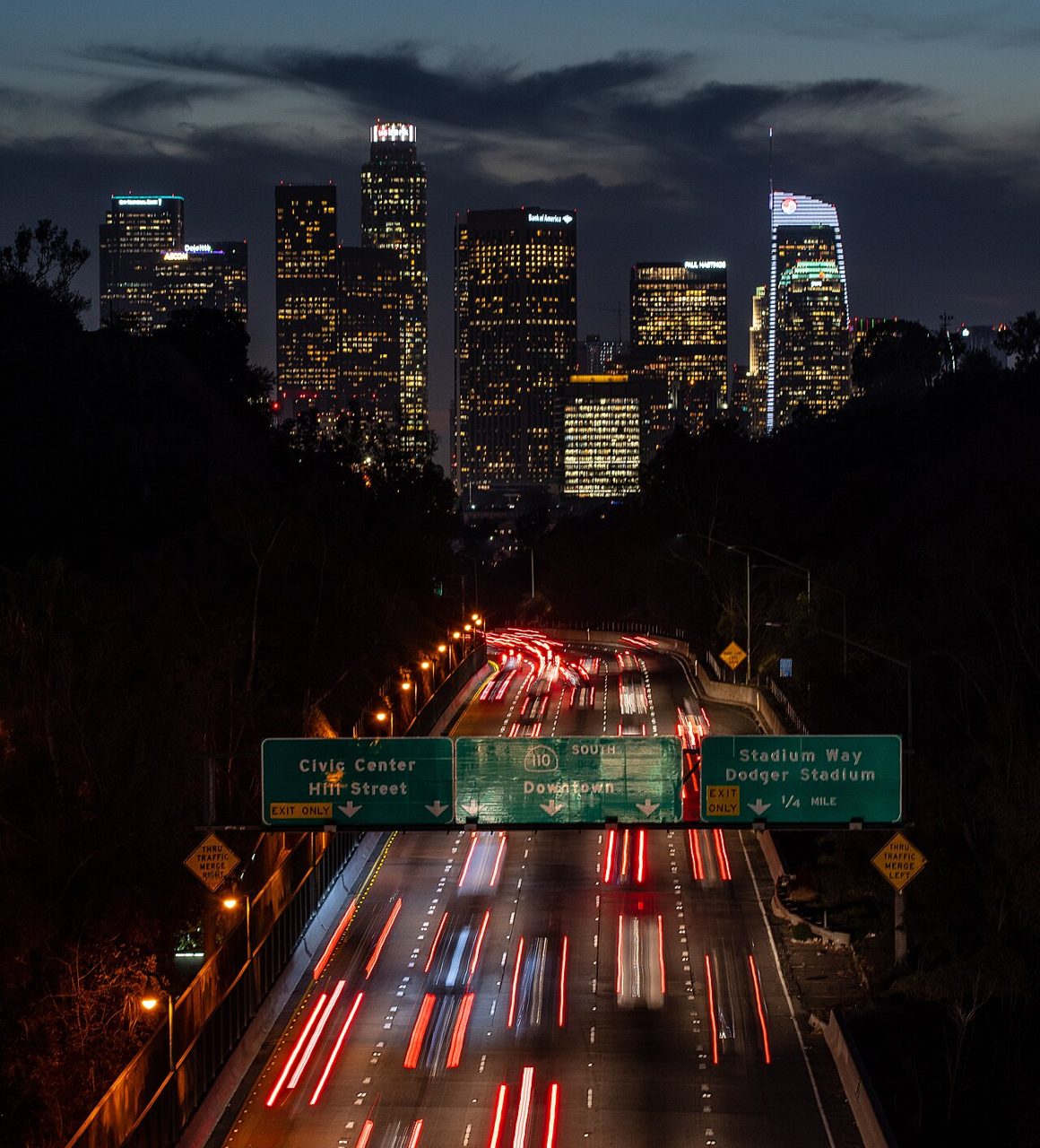
- 0:00aerial establishing shot of Los Angeles at night, over the voice-over “It’s the sense of touch…”
- 0:38extreme close-up on a hand: a gesture becomes a threat or a help
- 1:46close-up on a young police officer’s frightened face
- 1:58medium close-up on a woman in a kitchen: her anger is inside
Angles
| Word | Meaning |
|---|---|
| eye level | neutral, we are equal with the character |
| high angle | camera above: the character looks small or weak |
| low angle | camera below: the character looks powerful |
| canted (Dutch) angle | tilted frame: unease, a world out of balance |
| bird’s-eye view | straight down from above |
- 0:06high angle over the city: people disappear in the lights
- 1:22street scene at eye level: two men face each other
Camera movement
| Word | Meaning |
|---|---|
| pan | the camera turns horizontally |
| tilt | the camera moves up or down |
| tracking shot | the camera travels with a character or a car |
| zoom | the lens brings us closer |
| handheld camera | shaky, urgent, documentary feel |
| crane / aerial shot | the camera flies above the scene |
- 0:00slow aerial movement above the city
- 1:10handheld camera during a police stop: urgency, confusion
Lighting & colour
| Word | Meaning |
|---|---|
| high-key lighting | bright, few shadows: optimism |
| low-key lighting | dark, strong shadows: tension, mystery |
| backlighting | light behind a character: a halo or a silhouette |
| natural light | sun, windows, candles |
| colour palette | the dominant colours of the film |
- 0:42red and blue police lights on a face: danger, authority
- 1:34shallow focus: the city lights become blurred circles (bokeh) behind a character, isolation
- 1:58cold daylight in a kitchen: a “perfect” home that feels empty
Sound
| Word | Meaning |
|---|---|
| diegetic sound | the characters can hear it (a radio, a piano on stage) |
| non-diegetic sound | only the audience hears it (the score, a narrator) |
| voice-over | a voice we hear over the images |
| score | music composed for the film |
| silence | no sound: a shock, a pause |
| sound bridge | a sound that continues into the next scene |
- 0:00voice-over by Graham (Don Cheadle) over the images, it returns at the end: a sound frame
- 0:27a line said in a calm voice: “I am angry all the time, and I don’t know why.”
- whole trailera slow, melancholic piano and electronic score (non-diegetic) against sirens and city noise (diegetic)
Editing
| Word | Meaning |
|---|---|
| cut | a direct change of shot |
| cross-cutting | alternating between two places or stories |
| montage | a fast series of shots that compresses time |
| fade to black | the image disappears: an ending, a pause |
| intertitle | text on screen between images |
| slow motion | time slows down: importance, emotion |
- 0:18 · 0:34 · 0:50 · 1:02intertitles on black: “we are searching for an answer” / “we are moving forward” / “we are coming together” / “we are falling apart”
- whole trailercross-cutting between many characters who have not met yet
- 2:10title card: the word “crash” appears in broken light
Step into the period
Daily life
- Los Angeles in the early 2000s: long drives on freeways, SUVs, car stereos, flip phones
- A city of many communities: Black, white, Latino, Korean, Iranian (Persian), Armenian…
- Fear and suspicion after the attacks of 11 September 2001
Music
- Mark Isham’s ambient score: piano, synthesizers, voices
- Hip-hop on the car radio: a debate between Anthony and Peter in the film
- “In the Deep” by Bird York, Oscar-nominated song
Fashion
- Business suits for the D.A. and the detective; uniforms for the police
- Hoodies and leather jackets; the 2000s “casual” look
Places
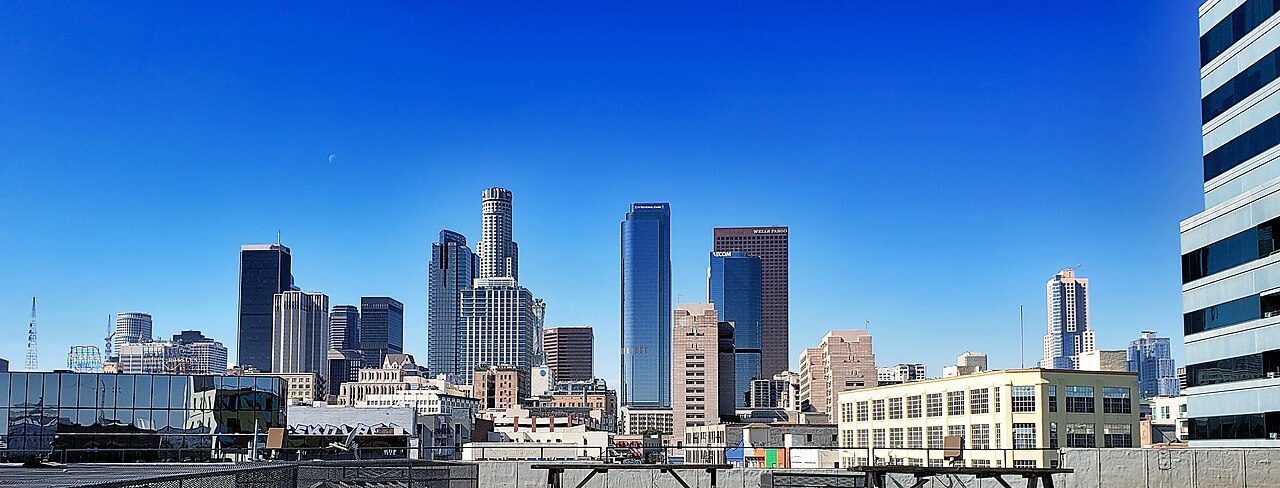
- Downtown LA, the freeways, Brentwood (wealthy west side), Koreatown, a Persian-owned shop, a crime scene off a highway
- Inside cars: private bubbles in public space
Historical landmarks
- 1965 August: the Watts uprising in Los Angeles after a traffic stop. Immigration and Nationality Act: new immigration from Asia and Latin America transforms the city.
- 1991 3 March: Rodney King is beaten by LAPD officers; the scene is filmed by a witness.
- 1992 29 April: the officers are acquitted; several days of riots follow in Los Angeles.
- 2001 11 September: terrorist attacks; Middle Eastern Americans face suspicion (in the film, Farhad’s shop is attacked).
- 2004 10 September: Crash premieres at the Toronto International Film Festival.
- 2005 6 May: release in US cinemas.
- 2006 5 March: Crash wins Best Picture against Brokeback Mountain, Capote, Good Night, and Good Luck. and Munich.
- 2015 Ten years later, Paul Haggis says he would not have voted for his own film.
Sources: Academy of Motion Picture Arts and Sciences · Lionsgate, official page · Variety, 2015
Watch
Official trailer (Lionsgate Movies)
Official channel: Lionsgate Movies · https://www.youtube.com/watch?v=dgepOrbliX4
Before you watch
Read the title. In English, crash means a violent collision, and also a sudden failure. Predict three “collisions” the film could show.
Sentence starters
- The title could refer to…
- A crash can be physical, but also…
- I expect the characters to…
First viewing, global understanding (no sound for 30 seconds, then with sound)
- Without sound, from 0:00: in which city are we, and at what time of day?
- Which jobs can you identify? (look at uniforms, offices, cars)
- Now with sound: the voice at the beginning says that in L.A. people are always behind something. What?
- Write down the four short sentences that appear on black screens.
- What is the general mood of the trailer: hopeful, tense, melancholic? Give two clues.
Answer key
- Los Angeles, at night (aerial shot of the lights).
- Police officers, a detective, a district attorney / politician, a TV professional, a shop owner, a locksmith…
- “this metal and glass”, cars.
- “we are searching for an answer” · “we are moving forward” · “we are coming together” · “we are falling apart”
- Tense and melancholic, with hope: sirens, night, crying faces; but also “coming together”, a child protecting her father.
Second viewing, exact words
- ≈0:11“In L.A., nobody ___ you.”
- ≈0:14“We’re always behind this ___ and ___.”
- ≈0:27“I am ___ all the time, and I don’t know why.”
- ≈1:27“You think you know who you are. You have no ___.”
- ≈1:51“It’s okay, Daddy. I’ll ___ you.”
- ≈2:02“…we crash into each other just so we can ___ something.”
Answer key
- touches
- metal · glass
- angry
- idea
- protect
- feel
Third viewing, the circle
The trailer begins and ends with the same voice and the same idea (“the sense of touch”). Why build a trailer like a circle? What does it say about the city?
Sentence starters
- The trailer opens and closes with…
- This circular structure suggests that…
- Touch is a paradox here because…
Film language
Close reading, four frames
| Frame | Technique | Interpretation |
|---|---|---|
| ≈0:00 the city at night | aerial establishing shot + voice-over | a huge city of lights where individuals are invisible; the voice gives a human scale |
| ≈0:42 police lights on a face | close-up, red/blue lighting | authority and danger mixed on the same face |
| ≈1:34 a man in the night | shallow focus, bokeh | isolation: the world becomes blurred around one person |
| ≈1:02 “we are falling apart” | intertitle on black, slow fade | the trailer builds opposites: coming together / falling apart |
Sentence starters
- The director chooses a … to make us feel…
- The contrast between … and … reveals…
- The lighting turns … into…
- The editing alternates … which suggests that all these lives are…
The car: private space in public space
In Crash, many key moments happen in or around cars: a carjacking, a police stop, an accident, a lift home. Graham’s voice-over says “We’re always behind this metal and glass.”
- Why is a car both a private and a public space?
- What happens to people’s behaviour when they feel protected by a car?
- Find in the trailer two moments where someone is ordered out of a car. What changes for the characters at that moment?
Answer key
- It is personal and closed, but it moves in the street, can be seen, stopped, checked.
- They feel distant from others; it can create fear, anger or indifference.
- ≈1:09 “Get out of the car!” and ≈1:17 “…step out of the vehicle” (a police stop): the protective bubble breaks and power shifts.
Sentence starters
- A car is a private space because…, yet…
- When the bubble breaks,…
- This links to the axis « Espace privé et espace public » because…
Context & history
Los Angeles, a city of many communities
Los Angeles grew around the car and the freeway. After the Immigration and Nationality Act of 1965, new immigrants from Asia, Latin America and the Middle East changed the city. Iranians (Persians) settled in large numbers after 1979. The film shows this diversity, and the fears that can come with it.
Police and trust
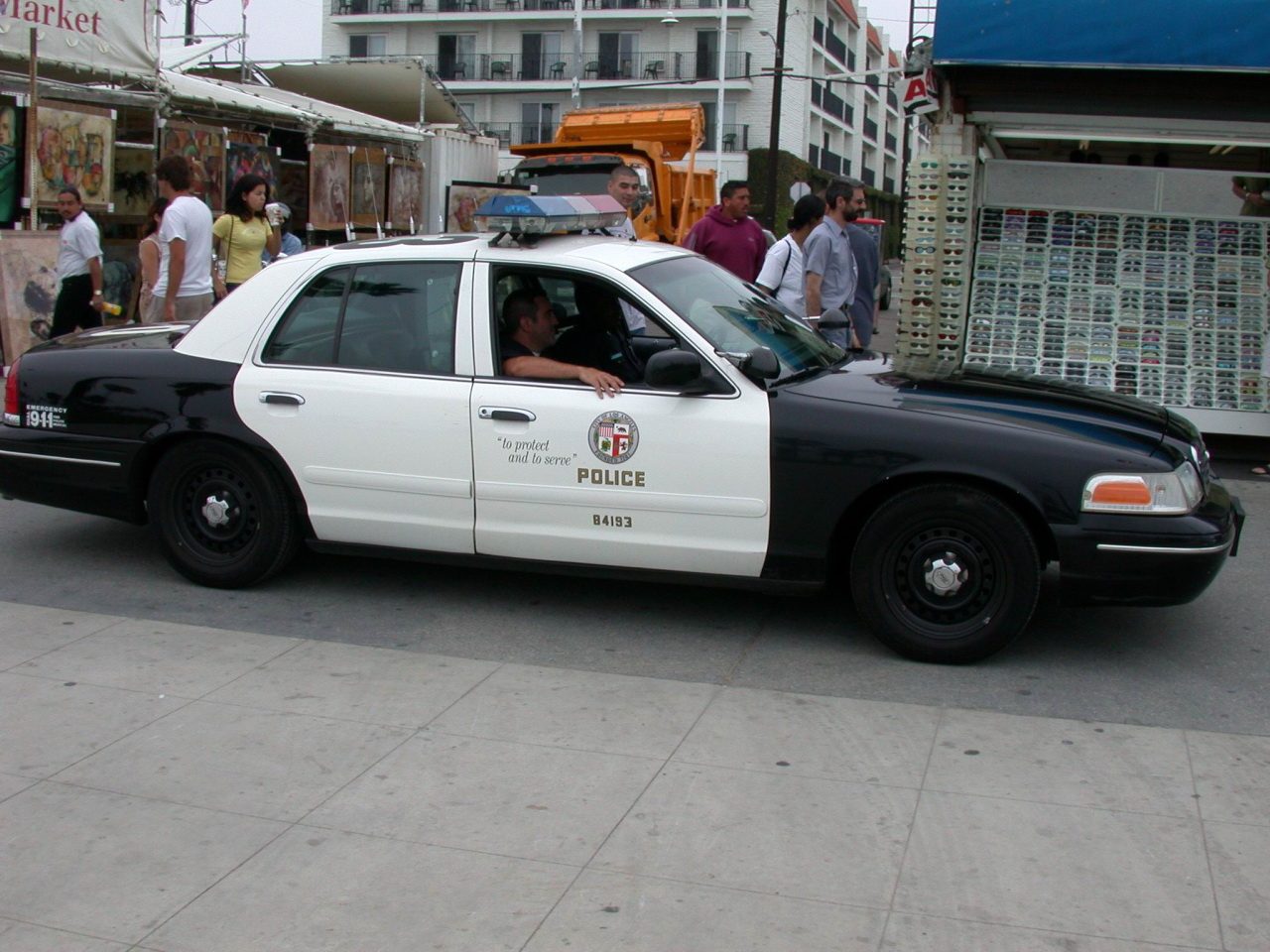
Two dates shaped the city’s memory: the Watts uprising (August 1965), which began after a traffic stop, and the 1992 riots, after the acquittal of police officers filmed beating Rodney King in 1991. In Crash, a traffic stop becomes a central scene. We analyse it through its consequences on the characters, not its images.
Sentence starters
- These events explain why trust between… and… is fragile.
- In the film, the traffic stop shows…
- The officer who abuses his power is also…
The director’s voice, and the debate
“Was it the best film of the year? I don’t think so.”
Paul Haggis, 2015 · Variety“Crash for some reason affected people, it touched people.”
Paul Haggis, 2015 · Variety“I knew it was the social experiment that I wanted, so I think it’s a really good social experiment.”
Paul Haggis, 2015 · VarietyAccording to The Hollywood Reporter, Haggis explained that he deliberately put stereotypes forward in the first part of the film, in order to break them later.
- Why is it unusual for a director to say this about his own Oscar-winning film?
- What does “a social experiment” mean for a film?
- Can a film use stereotypes to fight stereotypes? Find arguments for and against.
Answer key
- Directors usually defend their work; he values the artistry of the other nominees.
- The audience is tested: the film provokes reactions and makes viewers question them.
- For: viewers recognise their own reflexes, then see them broken. Against: the stereotypes may be what viewers remember; some characters remain types.
Programme links
- Diversity & inclusion (1re): how social, economic and cultural practices shape discrimination.
- Private space & public space (Tle): the car, the shop, the home invaded by fear.
- Fictions & realities (Tle): a fiction that claims to show the truth of a city.
Characters
Who’s who
| Character (actor) | Who | A moment that tests a prejudice |
|---|---|---|
| Graham Waters (Don Cheadle) | LAPD detective; his voice opens the film | caught between his job, his family and the politics of his bosses |
| Jean Cabot (Sandra Bullock) | wife of the D.A., lives in a wealthy area | after a carjacking, she suspects everyone, “I am angry all the time” |
| Rick Cabot (Brendan Fraser) | District Attorney, a politician | thinks first about votes and image |
| John Ryan (Matt Dillon) | police sergeant | abuses his power during a traffic stop, and later risks his life to save the same woman |
| Tom Hansen (Ryan Phillippe) | young officer, Ryan’s partner | wants to be fair, but fear changes him |
| Cameron & Christine Thayer (Terrence Howard, Thandiwe Newton) | a TV director and his wife | humiliated during a police stop; their couple is shaken |
| Anthony & Peter (Ludacris, Larenz Tate) | two young carjackers | Anthony denounces stereotypes… while acting on them |
| Farhad (Shaun Toub) | Persian shop owner | afraid and misunderstood, he misjudges a locksmith |
| Daniel Ruiz (Michael Peña) | Hispanic locksmith, a father | tells his daughter a story about an invisible protective cloak |
Task, map the connections
On a large sheet (or a slide), place the characters as circles. Draw a line each time two characters meet. Label each line with one word: fear, help, anger, suspicion, protection, misunderstanding… Which character is connected to the most people? What does the map show about the city?
Sentence starters
- … is linked to … through…
- The densest part of the map is… which shows…
- Nobody stays only a victim or only a culprit because…
Task, the grey zone
Choose one character from the table. Find a moment where she / he acts badly and a moment where she / he acts well. Is the person defined by the worst moment, the best moment, or neither?
Sentence starters
- At first, … seems…
- However, later,…
- This shows that a person is more than…
- I am not sure that… because…
Speak
1 · Continuous speech, 2 minutes 30
“Crash in one minute… and why it still matters.” Present the trailer, two characters, one technique, your opinion.
Sentence starters
- Crash is set in… and follows…
- Through the trailer, we discover…
- A key technique is… which…
- In my opinion, the film raises the question of…
- To conclude, I would say…
2 · Interaction, the precinct
Pairs. Officer Hansen asks his lieutenant to change partner after the traffic stop. The lieutenant worries about the department’s image. Negotiate. Switch roles.
Sentence starters
- I’m asking you this because…
- I understand your concern, but…
- If we do nothing,…
- Could we find a compromise:…?
3 · Formal debate, “Did Crash deserve Best Picture?”
Team A: yes (impact, emotion, “social experiment”). Team B: no (stereotypes, artistry of the other nominees, Haggis’s own words). Opening 90 s each, rebuttals, closing statements.
Sentence starters
- Our team firmly believes that…
- The opposing team argues…; however…
- Even the director admitted…
- What really matters in a Best Picture is…
4 · Inner voice
Choose one character after one key moment. In 45 seconds, give her / his inner thoughts (first person). The class guesses the moment.
Sentence starters
- I didn’t expect…
- Why did I…?
- Tomorrow, I will…
5 · Film review podcast, 1 min 30
Sentence starters
- Today’s film is an ensemble drama…
- What makes it powerful is…
- Its weakness may be…
- I recommend it for… because…
Write
Write
B2 (1re) · 220 to 250 words: “In L.A., nobody touches you.” Explain how Crash uses the car and the city to show isolation and prejudice.
B2+ (Tle) · 280 to 300 words: “Can a fiction tell the truth about a city?” Use the trailer, the context and the debate around the Oscar.
Sentence starters
- The opening voice-over suggests that…
- Paradoxically,…
- While some critics…, others…
- Haggis himself acknowledged that…
- In the end, the film invites us to…
Checklist: introduction with the problem · 2 to 3 arguments · one exact quotation with source · concession (although, admittedly) · conclusion with an opening.
For the exam
For the exam. In the baccalauréat général, English (LVA / LVB) is assessed through continuous assessment: your annual average in 1re and in Tle counts (coefficient 3 each year). At the end of Tle, your teachers also certify your CEFR level in each skill, listening, reading, writing, speaking (continuous) and speaking (interaction), on your official language certificate. Every task below is built on those five skills, with authentic documents linked to a programme axis, exactly like your class assessments.
What this film study trains
- Listening: trailer (three viewings).
- Reading: Variety / The Hollywood Reporter extracts.
- Speaking (continuous): 2 min 30 presentation · inner voice.
- Speaking (interaction): precinct negotiation · formal debate.
- Writing: analytical essay (B2 / B2+).
Project
Project, “Crossroads”: a radio drama
In groups of 4 to 5, write and record a 3-minute radio scene in which characters from the film meet at a crossroads (a bus stop, a gas station, a hospital waiting room). Each character must start with a prejudice and end with a doubt. Add a narrator who opens and closes like Graham’s voice-over. No violence, no insults: tension comes from words, silences and sounds.
Sentence starters
- Narrator: In this city,…
- I thought you were…, Why?
- Maybe I was wrong about…
Closing: place & exchange
Step 1 · A place found or lost
Everything is exchange, and we can only give and receive from a place. First find each character’s place; then look at four kinds of exchange; then go deeper: what passes between the characters inside · trust, love, respect, meaning? Who do they become, not only what do they own?
Which characters feel they have no place in Los Angeles, and why?
Sentence starters
- At the start, …’s place is…
- At the end, … has found / lost his/her place because…
Answer key
- Many characters feel out of place (Farhad, Jean, Ryan’s father); collisions force them to see others.
Step 2 · Four kinds of exchange
| Kind of exchange | In the film |
|---|---|
| Political | The district attorney Rick Cabot worries about his image and votes. |
| Emotional | Daniel the locksmith and his daughter’s “invisible cloak”. |
| General interest | Police officers are supposed to protect everyone in the city. |
| Human rights | Characters are suspected or humiliated because of where they come from or the colour of their skin. |
Sentence starters
- The political exchange in the film is between… and…
- …gives… to…, and in return…
- This exchange serves the general interest because…
- …defends the right to…
Step 3 · Beyond what they have: who they are
Now go deeper, from the place each character has found or lost. Talk about the characters only.
- Officer Ryan humiliates Christine, then later saves her life. What passes between them in the second scene?
- What does Jean Cabot understand at the end when she talks to Maria?
- The film says people crash into each other “so that we can feel something”. Which character, in your view, changes most in the way he or she sees others?
Sentence starters
- What really passes between… and… is…
- …does not only give…; he/she gives…
- Thanks to…, …understands who he/she is.
- At the end, what matters for… is not what he/she has but…
- This exchange changes… because…
- From his/her new place, … can at last give / receive…
Closing sentence (write it): From the place they find or lose, the deepest exchange in this film is…
Answer key
- Touch, fear and trust: she must accept help from the man she fears; he must see her as a human being. Nobody wins, both change.
- Jean realises that the person who cares for her every day is the friend she was not seeing.
- Open answer (e.g. Ryan, Hansen, Jean). Justify with a scene: the deepest exchange is when a character finally sees the other as a person.
- Model closing sentence: In Crash, collisions break the walls between strangers, sometimes for the better.
Teacher
Teacher notes
- Axes (BO n° 22, 29 May 2025): 1re « Diversité et inclusion » · Tle « Espace privé et espace public », « Fictions et réalités ». « Citoyenneté et mondes virtuels » is not used: it concerns digital worlds.
- Trailer: official Lionsgate Movies channel, checked by oEmbed. It contains a brief police stop and a burst of fire; no slurs.
- Quotes: trailer lines transcribed and checked; Haggis quotes from Variety (2015).

Share this film study
https://trame-lycee.netlify.app/films/crash.html
Created by Madame Carole Paoli Pompougnac.