


Cultural concept
Coming of age, owning your story
Growing up as a young woman in the 1860s: family ties, money, marriage, art, and the right to earn a living from your own work.
Key question: Can a woman write her own story, and own it?
Watch → Film language → Context & history → Characters → Speak → Write → Project → Closing: place & exchange
Context & history → Characters → Speak → Write → Watch the trailer → Film language → Final task: Project → Closing: place & exchange
Guiding thread: Finding one’s place in the world · Sub-thread: Giving and receiving, we can only give and receive from a place.
Theme: Growing up · A Gerwig pair with Lady Bird · Sequences: 2nde 06 « Looking ahead » · 1re 01 « Identities in the making »
Overview
Hook, making your own way
Guiding thread: Finding one’s place in the world · Sub-thread: Giving and receiving, we can only give and receive from a place.
Finding one’s place in the world · Young people today
Jo March says: “I intend to make my own way in the world.” What do young people today do to make their own way, and to make their voices heard?
Sentence starters
- Jo wants to earn her own money because…
- Today, young people who want to be heard can…
- Starting a blog, a podcast or a school newspaper can help young people…
- In the end, Jo understands that her place…
Visionary filmmakers. In 2019, Greta Gerwig gave a 150-year-old classic a new ending: her Jo March sits in a publisher’s office and negotiates her own copyright. The trailer told audiences: “Own your story.”
Talk about the characters and about young people in general, not about yourself.
Then, a second question:
Why does Jo’s publisher want her heroine to be married by the end? In the trailer, Mr. Dashwood tells her: “Make it short and spicy. And if the main character is a girl, make sure she’s married by the end.”
Sentence starters
- The publisher thinks readers want…
- In the 1860s, marriage was seen as…
- Jo accepts / refuses because…
The film in three lines
Concord, Massachusetts, during and after the American Civil War. Four sisters, Meg, Jo, Beth and Amy, grow up with little money and big dreams. The film moves between two times: 1868, when Jo tries to sell her stories in New York, and seven years earlier, in 1861, when the sisters were still girls at home.
A Gerwig pair
Lady Bird (2017) and Little Women (2019): the same director, the same lead actress, Saoirse Ronan, and two young women who want to write their own story, more than 130 years apart. Timothée Chalamet and Tracy Letts act in both films too.
Film sheet

Film study sheet · printable, clickable, with QR code.
Open the printable sheethttps://trame-lycee.netlify.app/films/fiche-little-women.html
Film credits
| Title | Little Women (USA, 2019) |
|---|---|
| Written and directed by | Greta Gerwig |
| Based on | Little Women by Louisa May Alcott, volume 1, 30 September 1868; volume 2, April 1869 (Roberts Brothers, Boston) |
| Cast | Saoirse Ronan (Jo March), Emma Watson (Meg March), Florence Pugh (Amy March), Eliza Scanlen (Beth March), Laura Dern (Marmee), Timothée Chalamet (Laurie), Meryl Streep (Aunt March), Tracy Letts (Mr. Dashwood), Bob Odenkirk (Father March), James Norton (John Brooke), Louis Garrel (Friedrich Bhaer), Chris Cooper (Mr. Laurence) |
| Cinematography | Yorick Le Saux (shot on 35 mm film) |
| Editing | Nick Houy |
| Music | Alexandre Desplat |
| Costumes | Jacqueline Durran |
| Distributor | Sony Pictures (Columbia Pictures) |
| Running time | 135 minutes |
| Release | World premiere: Museum of Modern Art, New York, 7 December 2019 · USA, 25 December 2019 |
| Rating | PG, thematic elements and brief smoking |
| Awards | 92nd Academy Awards (2020): 6 nominations, Best Picture, Actress (Ronan), Supporting Actress (Pugh), Adapted Screenplay, Original Score, Costume Design · 1 Oscar: Best Costume Design (Jacqueline Durran) |
Film language, with examples from the official trailer
Timecodes are approximate (± 2 s). Pause the trailer and check each example yourself.
Shots
| Word | Meaning |
|---|---|
| establishing shot / extreme long shot | shows the place; people look tiny |
| long shot | a whole body in its setting |
| medium shot | from the waist up |
| close-up | a face fills the frame: emotion |
| extreme close-up | a detail: eyes, a hand, an object |
| two-shot | two characters in one frame: a relationship |
| over-the-shoulder shot | we watch one character through another’s position |
- ≈0:01close-up of Jo in a straw hat by the sea: sunlight on her face, a smile, freedom
- ≈0:12long shot: the four sisters walk together through the snow, each in her own colour
- ≈0:42establishing shot: the March family house in the snow
Angles
| Word | Meaning |
|---|---|
| eye level | neutral, we are equal with the character |
| high angle | camera above: the character looks small or weak |
| low angle | camera below: the character looks powerful |
| canted (Dutch) angle | tilted frame: unease, a world out of balance |
| bird’s-eye view | straight down from above |
- ≈0:15over-the-shoulder shot: we see Jo from behind, facing the publisher at his desk, he sits, she waits
- ≈1:36eye level on the hill: Laurie and Jo face each other as equals
Camera movement
| Word | Meaning |
|---|---|
| pan | the camera turns horizontally |
| tilt | the camera moves up or down |
| tracking shot | the camera travels with a character or a car |
| zoom | the lens brings us closer |
| handheld camera | shaky, urgent, documentary feel |
| crane / aerial shot | the camera flies above the scene |
- whole trailerscenes of childhood move and “dance”; scenes of adulthood are more still and frontal
- ≈2:06tracking shot: Jo and Laurie run side by side on the beach
Lighting & colour
| Word | Meaning |
|---|---|
| high-key lighting | bright, few shadows: optimism |
| low-key lighting | dark, strong shadows: tension, mystery |
| backlighting | light behind a character: a halo or a silhouette |
| natural light | sun, windows, candles |
| colour palette | the dominant colours of the film |
- whole trailerthe past is golden and warm; the present (1868) is colder and bluer
- ≈2:00low-key lighting: Jo’s face in the dark as she speaks about women’s ambition
Sound
| Word | Meaning |
|---|---|
| diegetic sound | the characters can hear it (a radio, a piano on stage) |
| non-diegetic sound | only the audience hears it (the score, a narrator) |
| voice-over | a voice we hear over the images |
| score | music composed for the film |
| silence | no sound: a shock, a pause |
| sound bridge | a sound that continues into the next scene |
- ≈0:09Jo’s voice first: “I’m working on a novel.”
- ≈1:49a sound bridge: Jo’s speech continues over images of her sisters
Editing
| Word | Meaning |
|---|---|
| cut | a direct change of shot |
| cross-cutting | alternating between two places or stories |
| montage | a fast series of shots that compresses time |
| fade to black | the image disappears: an ending, a pause |
| intertitle | text on screen between images |
| slow motion | time slows down: importance, emotion |
- whole trailercross-cutting between two times, seven years apart
- ≈1:21intertitle: “Based on the classic novel”
- ≈2:24title card, then the tagline “Own your story”
Step into the period
Daily life
- 1861 to 1865: the American Civil War; Father March is away with the Union Army
- Letters are the only news from the war
- Few paid jobs for women: governess, teacher, seamstress, nurse, writer
Arts at home
- The sisters write and act their own plays
- Beth plays the piano; Amy draws and paints
- Jo writes stories for newspapers to earn money
Fashion
- Long dresses, shawls, bonnets
- Costume designer Jacqueline Durran gave each sister a colour: red for Jo, green and lavender for Meg, brown and pink for Beth, light blue for Amy
Places
- Concord, Massachusetts: the March house, inspired by Orchard House
- New York: Jo’s boarding house and the publisher’s office
- Paris: Amy’s tour of Europe with Aunt March
- Filmed in Massachusetts: Concord, Harvard, Boston, Ipswich
Historical landmarks
- 1832 Louisa May Alcott is born on 29 November in Germantown, Pennsylvania.
- 1858 The Alcott family moves into Orchard House, Concord.
- 1861 The Civil War begins, and so does the film’s “past”.
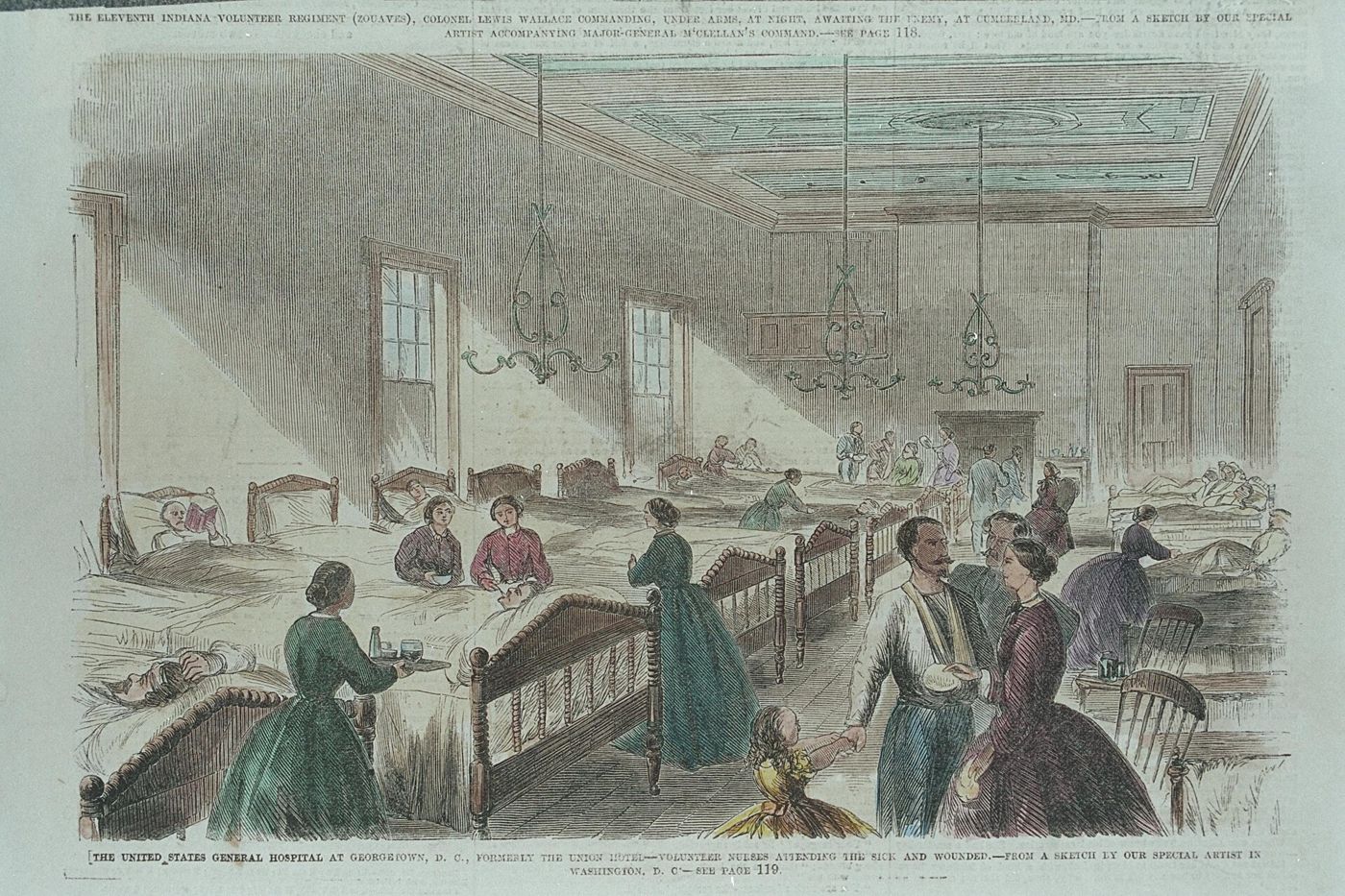
- 1862 to 1863 Alcott works for six weeks as a nurse in the Union Hotel Hospital, Georgetown, near Washington.
- 1863 She publishes Hospital Sketches.
- 1865 The Civil War ends.
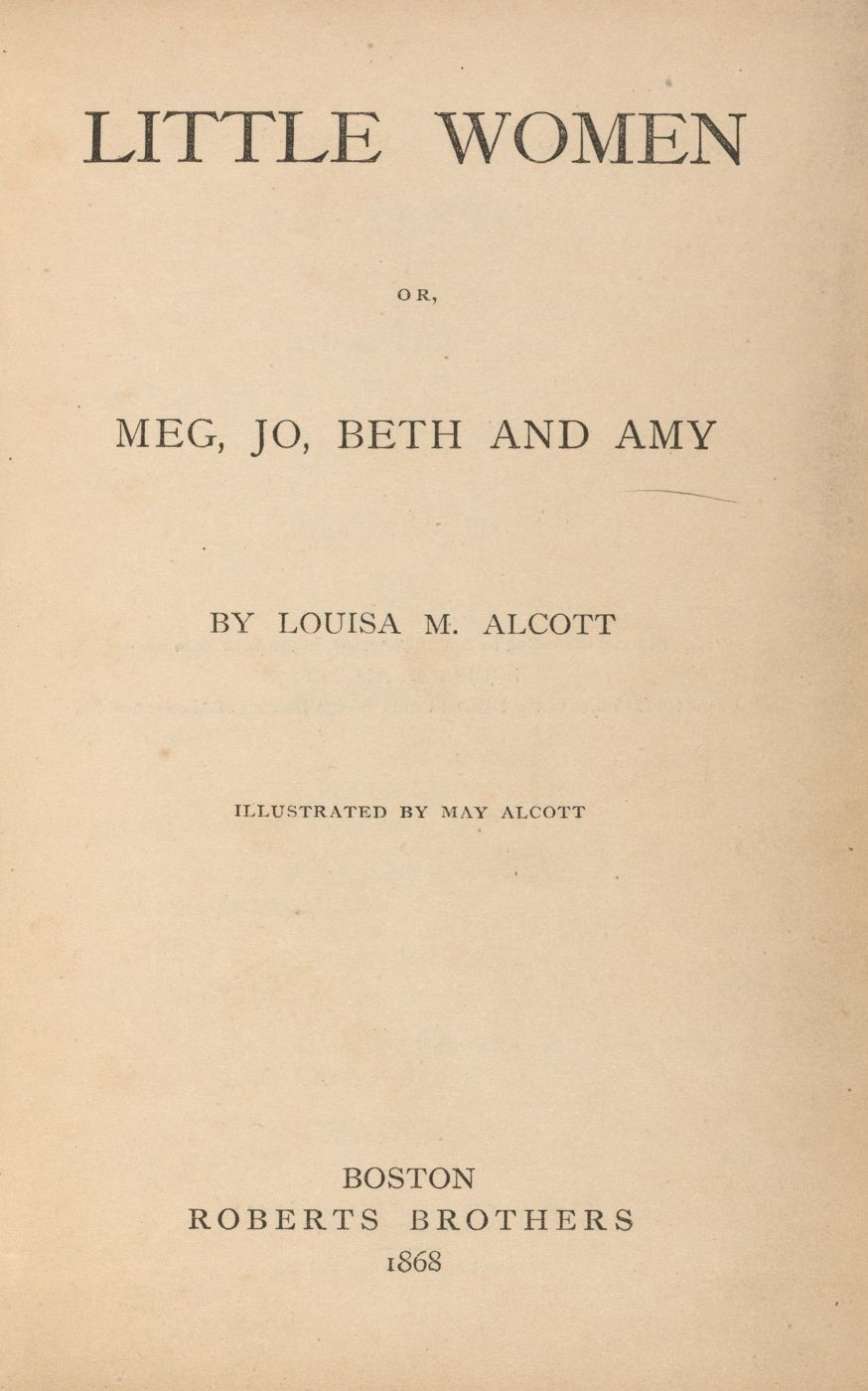
- 1868 May: her publisher Thomas Niles asks her for “a girl’s book”. 30 September: Little Women (volume 1) is published. The film’s “present” is 1868.
- 1869 April: volume 2 is published.
- 1879 Alcott is the first woman to register to vote in Concord, for a school board election.
- 1888 She dies in Boston on 6 March.
- 2019 Greta Gerwig’s film premieres in New York (7 December).
- 2020 6 Oscar nominations; it wins Best Costume Design.
Sources: Sony Pictures, Little Women · Louisa May Alcott’s Orchard House · Oscars, 92nd Academy Awards · The novel on Project Gutenberg
Watch
Official trailer (Sony Pictures)
Official channel: Sony Pictures Entertainment · https://www.youtube.com/watch?v=AST2-4db4ic
First viewing (0:00 → 2:43)
- What is Jo writing, and what is it about?
- What does the publisher ask her to do with her heroine?
- What does Amy want to be?
- Why is Aunt March not married, according to her?
- What does Laurie tell Jo on the hill, and what does she answer?
Answer key
- A novel: “a story of my life and my sisters”.
- “Make it short and spicy”, and make sure the girl is married by the end.
- The best painter in the world.
- “Well, that’s because I’m rich.”
- That he has loved her ever since he has known her; she says it would be a disaster if they married.
Second viewing, exact words
- ≈0:14 “Make it short and ___.”
- ≈0:41 “I intend to make my own ___ in the world.”
- ≈0:43 “No one makes their own way, least of all a ___. You’ll need to marry ___.”
- ≈1:30 “Just because my dreams are different than yours doesn’t mean they’re ___.”
- ≈1:49 “Women, they have minds and they have ___ as well as just hearts.”
- ≈1:54 “I want to be great or ___.”
Answer key
- spicy
- way
- woman · well
- unimportant
- souls
- nothing
Film language
Two times, two lights
Greta Gerwig tells the story in two times, seven years apart. With cinematographer Yorick Le Saux, she filmed the past with a “golden warmth of youth”: the four sisters fill the frame and the camera moves like a dancer. In the present, the sisters are often alone in the frame, the camera is still and the colours are colder.
Sentence starters
- In the past, the light is… because…
- In the present, the sisters are framed…
- The colder colours suggest that adulthood…
Portrait task
Pause at ≈2:00 (Jo’s face in the dark). Describe the shot as if it were a painting: position, light, expression, what it says about her.
Colour detective
Find each sister in the trailer by her colour: red for Jo, green and lavender for Meg, brown and pink for Beth, light blue for Amy. What does each colour say about her?
Sentence starters
- Jo wears red, which suggests…
- Amy’s light blue makes her look…
Context & history
Concord and Orchard House
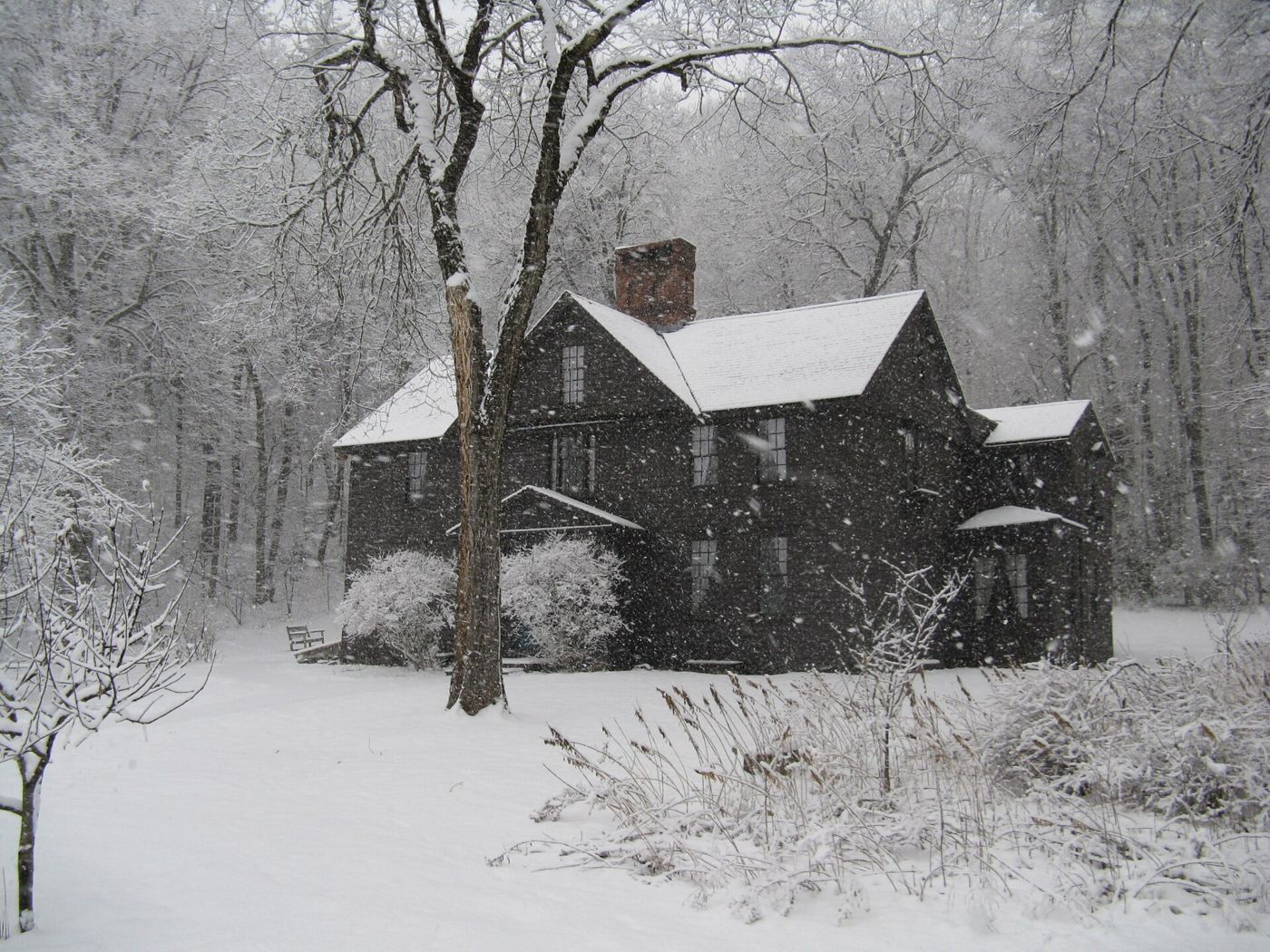
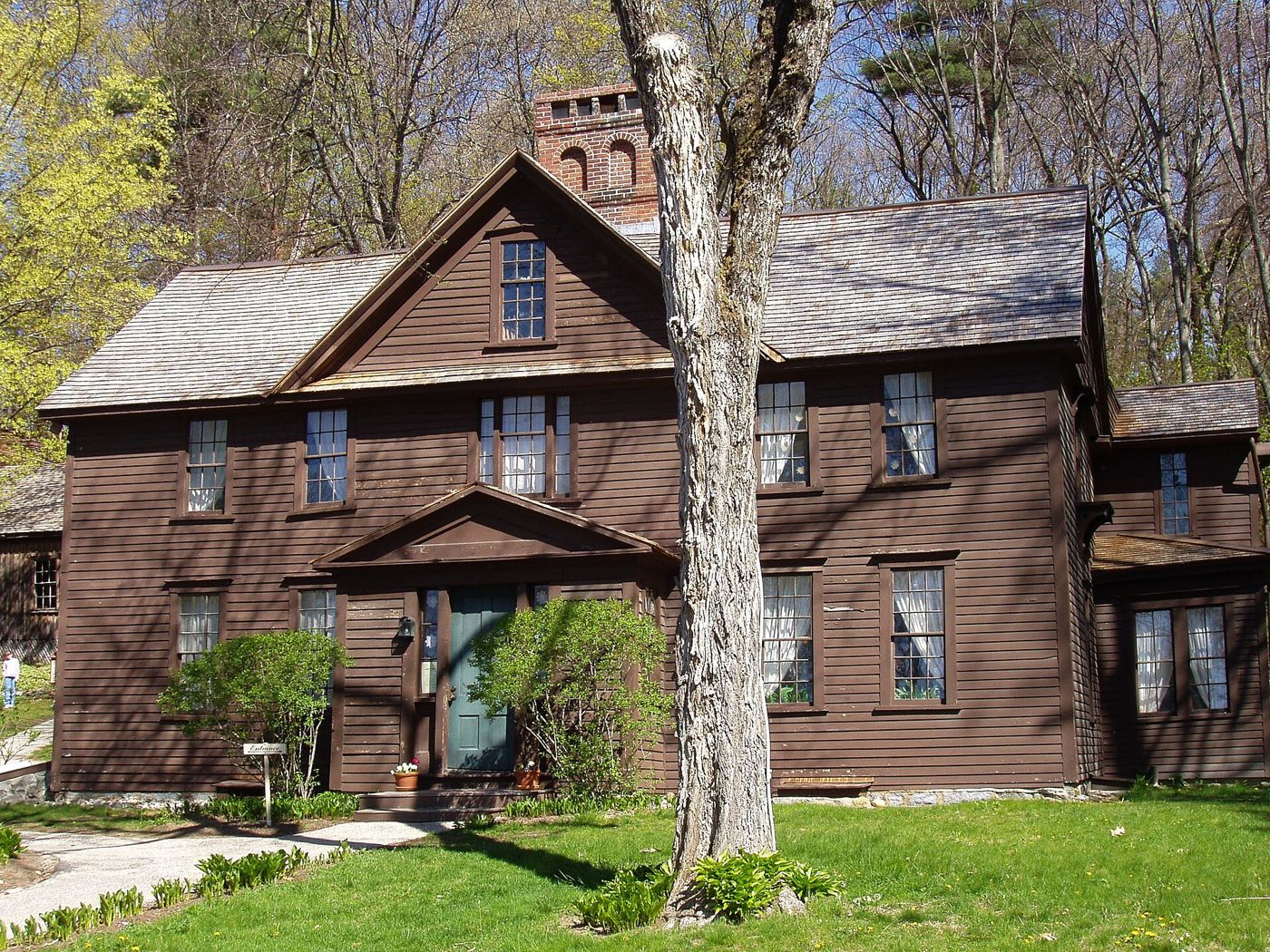
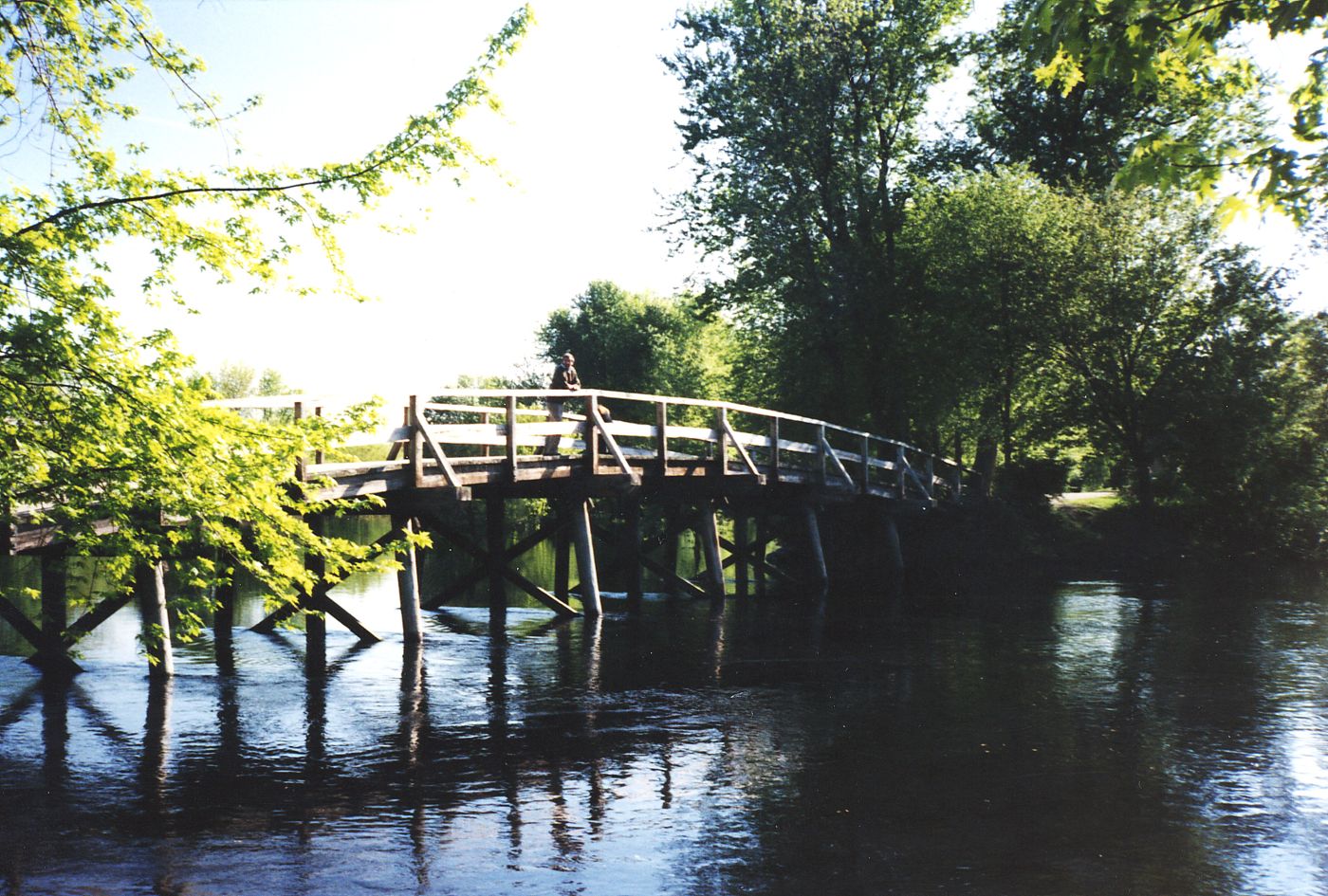
Concord is a small town in Massachusetts, near Boston. In the 1860s it was home to famous writers: Ralph Waldo Emerson, Henry David Thoreau, Nathaniel Hawthorne, and the Alcotts. The family lived in Orchard House from 1858 to 1877, and Louisa wrote Little Women there. The March house in the novel is modelled on it; today it is a museum.
Sentence starters
- Concord was famous for…
- Orchard House matters because…
Louisa May Alcott and the Civil War
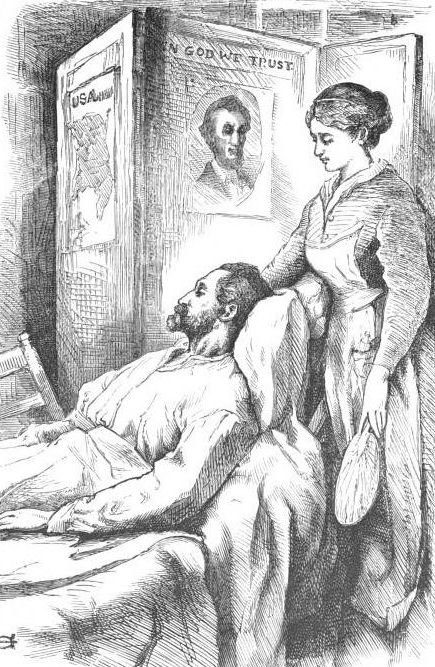
When the Civil War broke out in 1861, Alcott wanted to help. In December 1862, at thirty, she became an army nurse at the Union Hotel Hospital in Georgetown, near Washington. She worked there for six weeks, until she caught typhoid fever. Her letters became a book, Hospital Sketches (1863). In Little Women, Father March is away with the Union Army, and Marmee travels to Washington to nurse him.
Sentence starters
- Alcott could not be a soldier, so she…
- The war is present in the story because…
A book written on request, and for money
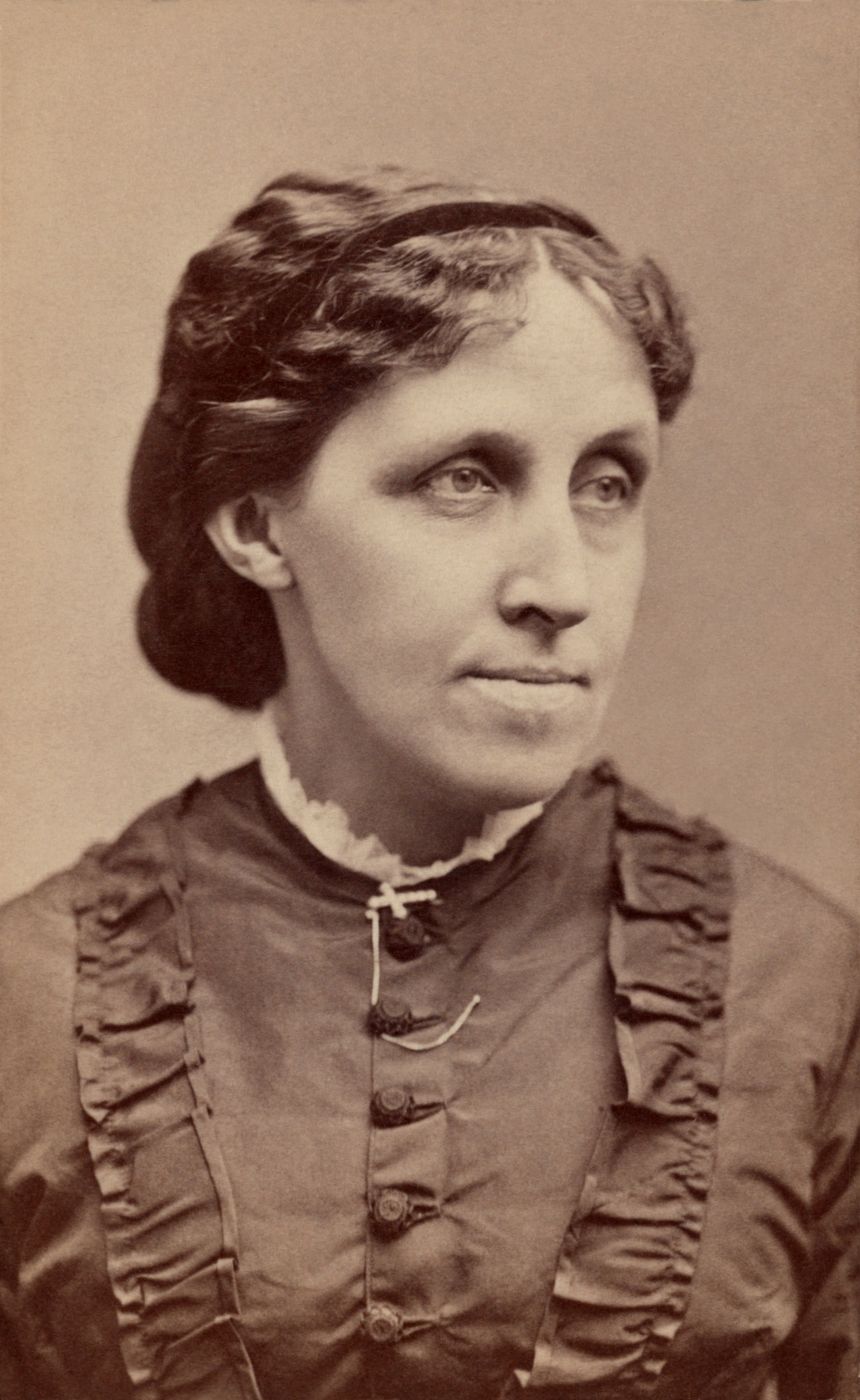
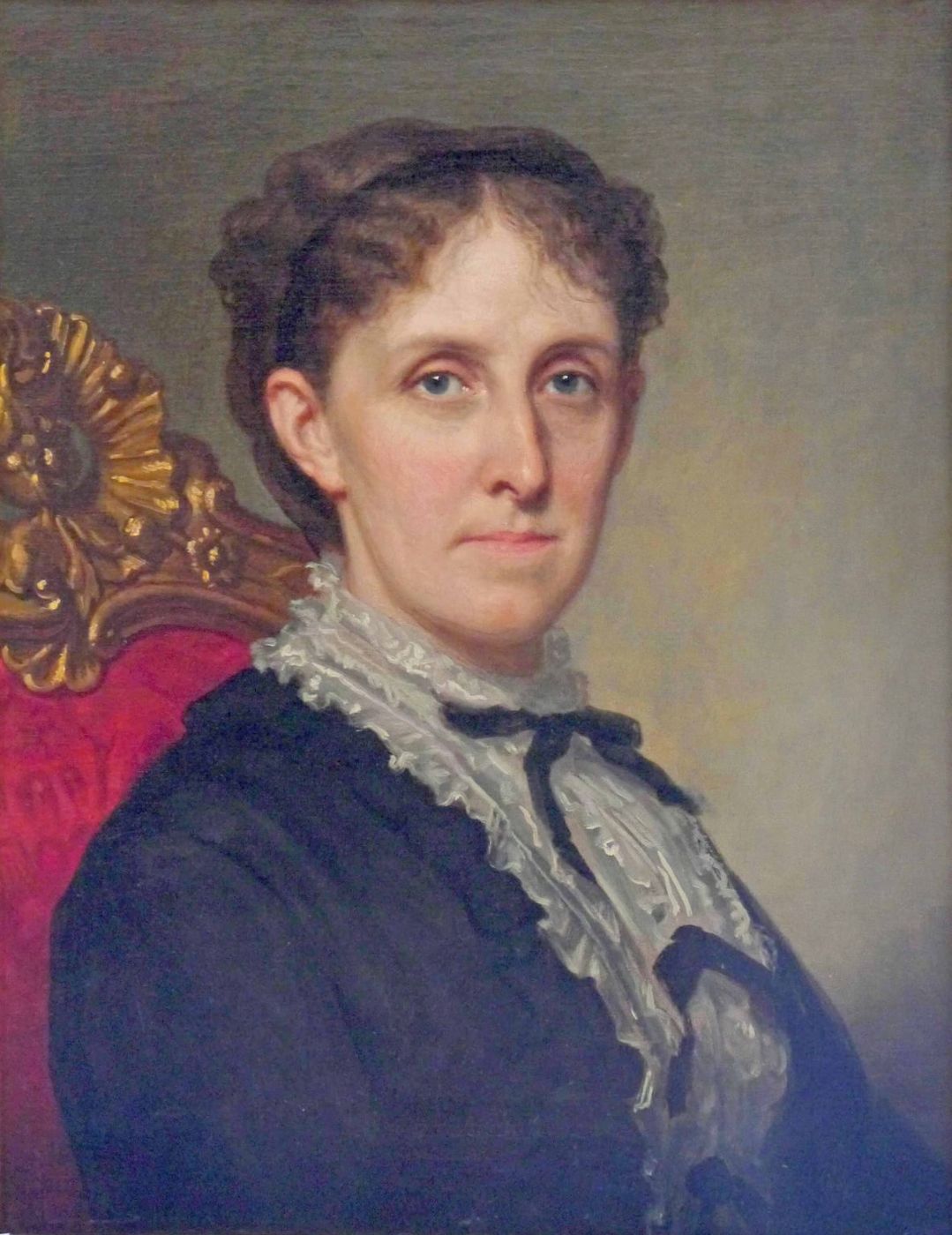
In May 1868, Alcott wrote in her journal: “Niles, partner of Roberts, asked me to write a girl’s book. I said I’d try.” She wrote it very quickly. The first printing of 2,000 copies sold out, readers asked for more, and volume 2 followed in April 1869. Alcott used her own family: Anna became Meg, Lizzie became Beth, May became Amy, and Louisa herself became Jo.
Sentence starters
- Alcott wrote the book because…
- Jo is like Louisa May Alcott because…
Women, work and money in the 1860s
- Women could not vote in national elections.
- Paid work for middle-class women was rare: teaching, sewing, nursing, writing.
- For many families, a “good marriage” was a woman’s only security, as Aunt March says in the trailer.
- Alcott never married. She earned her living by writing and supported her family.
Sentence starters
- In the 1860s, a woman who wanted to earn money could…
- Aunt March’s advice shows that…
Characters
| Character (actor) | Who | Key word |
|---|---|---|
| Jo March (Saoirse Ronan) | the second sister, a writer with a hot temper | independence |
| Meg March (Emma Watson) | the eldest sister; she dreams of a home and a family | choice |
| Beth March (Eliza Scanlen) | the shy sister, a pianist; she falls ill with scarlet fever | kindness |
| Amy March (Florence Pugh) | the youngest sister, a painter | ambition |
| Marmee (Laura Dern) | their mother; she runs the house while the father is at war | generosity |
| Laurie (Timothée Chalamet) | the rich boy next door, Jo’s best friend | friendship |
| Aunt March (Meryl Streep) | a rich, strict aunt: “You’ll need to marry well.” | money |
| Mr. Dashwood (Tracy Letts) | the New York publisher who buys Jo’s stories | business |
Sentence starters
- Jo is both… and…
- Jo and Amy clash because…
- I understand Aunt March’s point of view because…
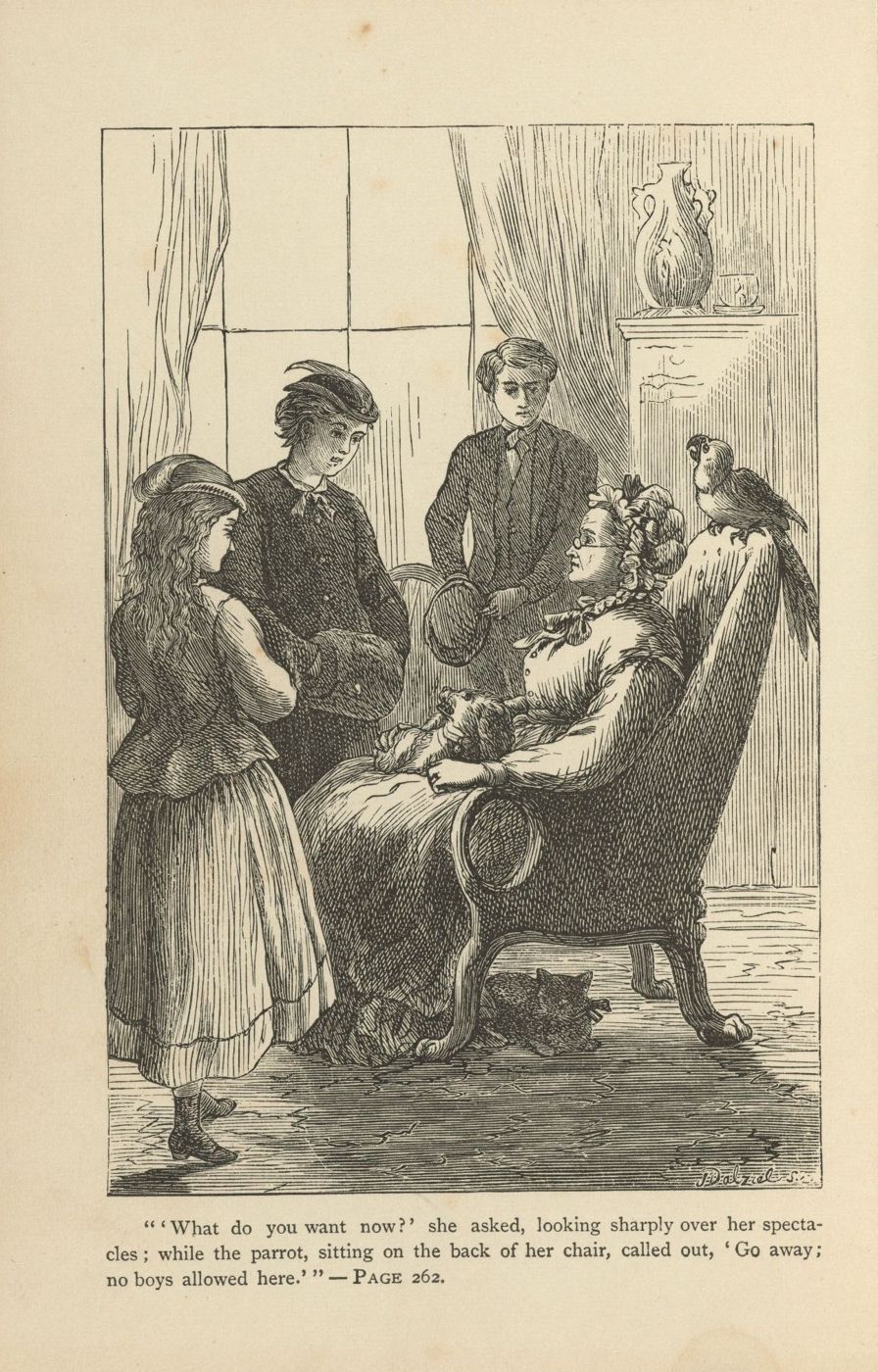
The March sisters in 1880 illustrations
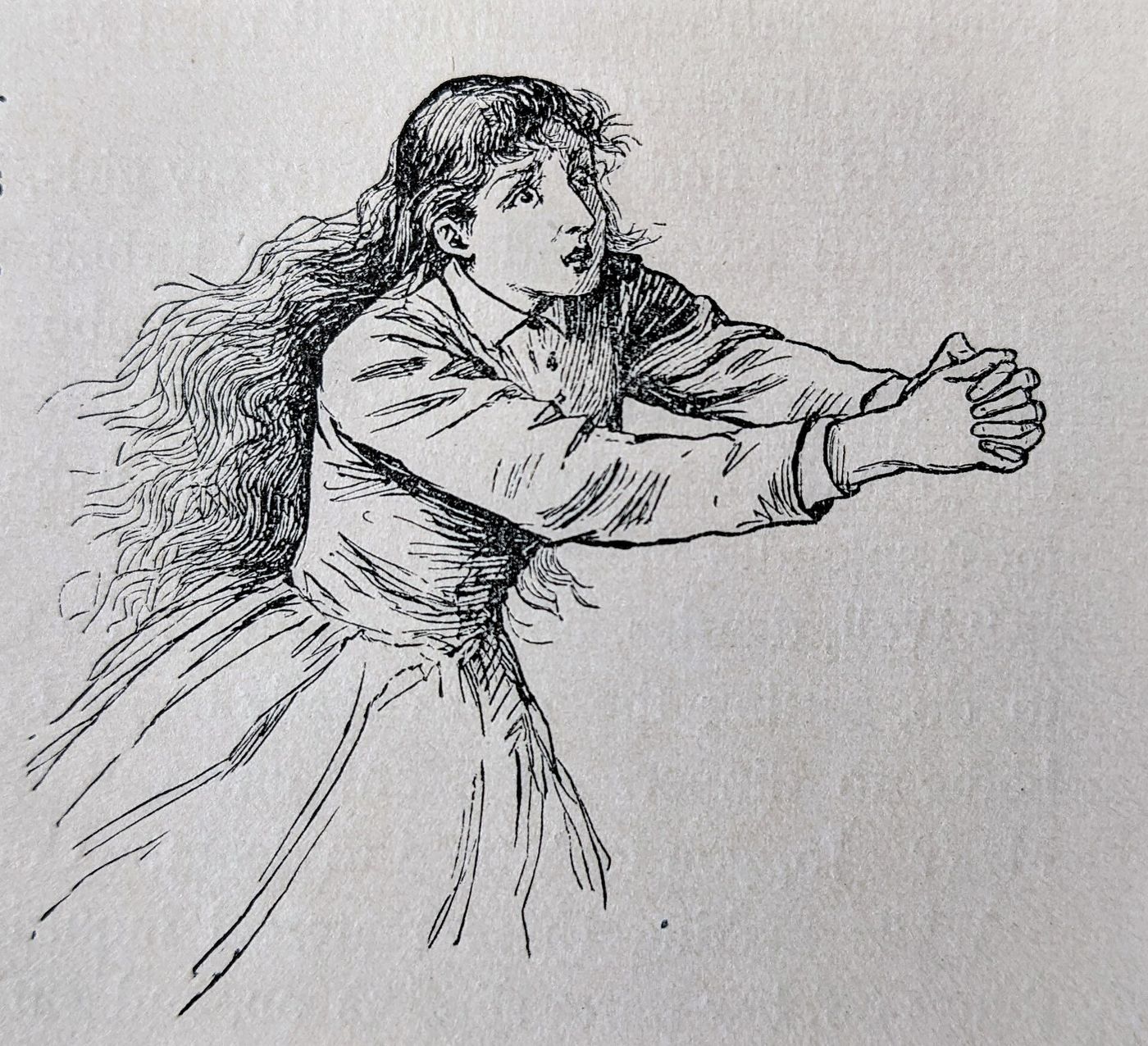
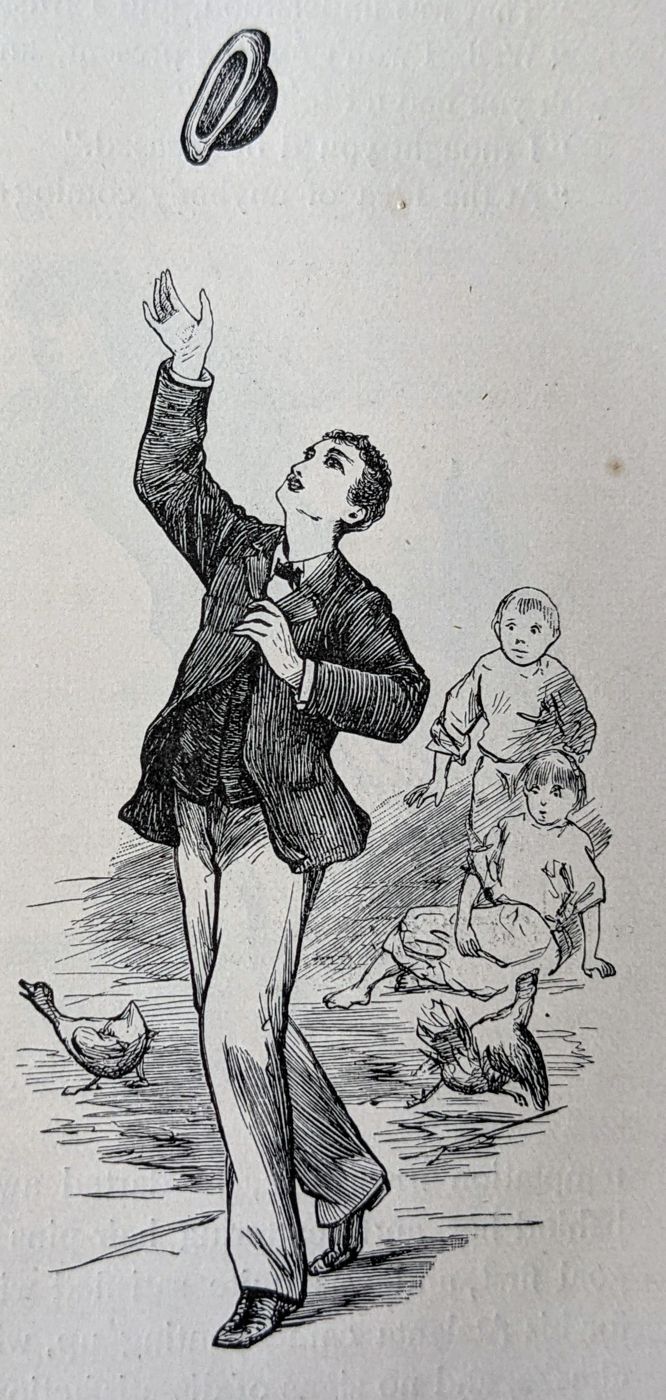
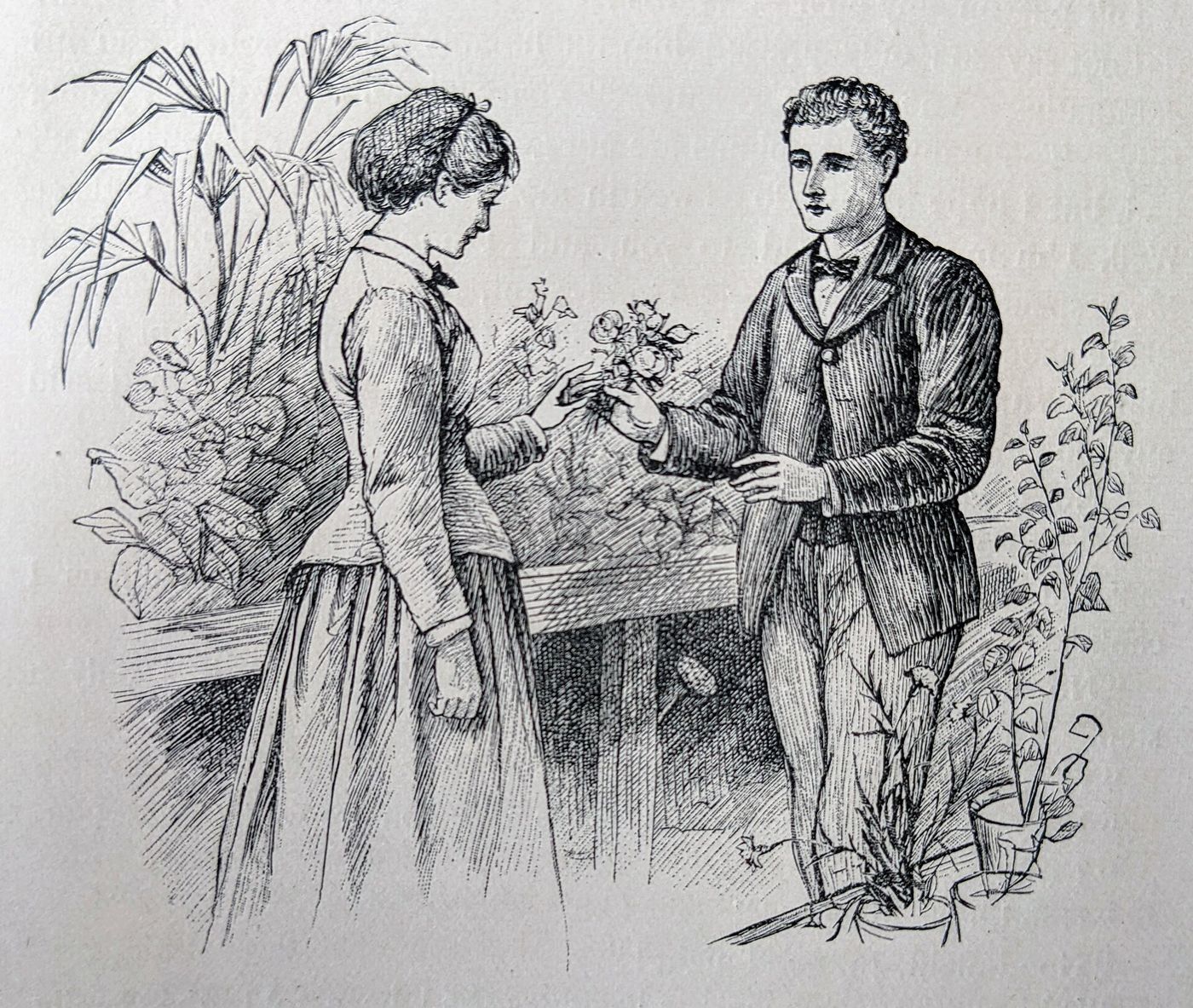
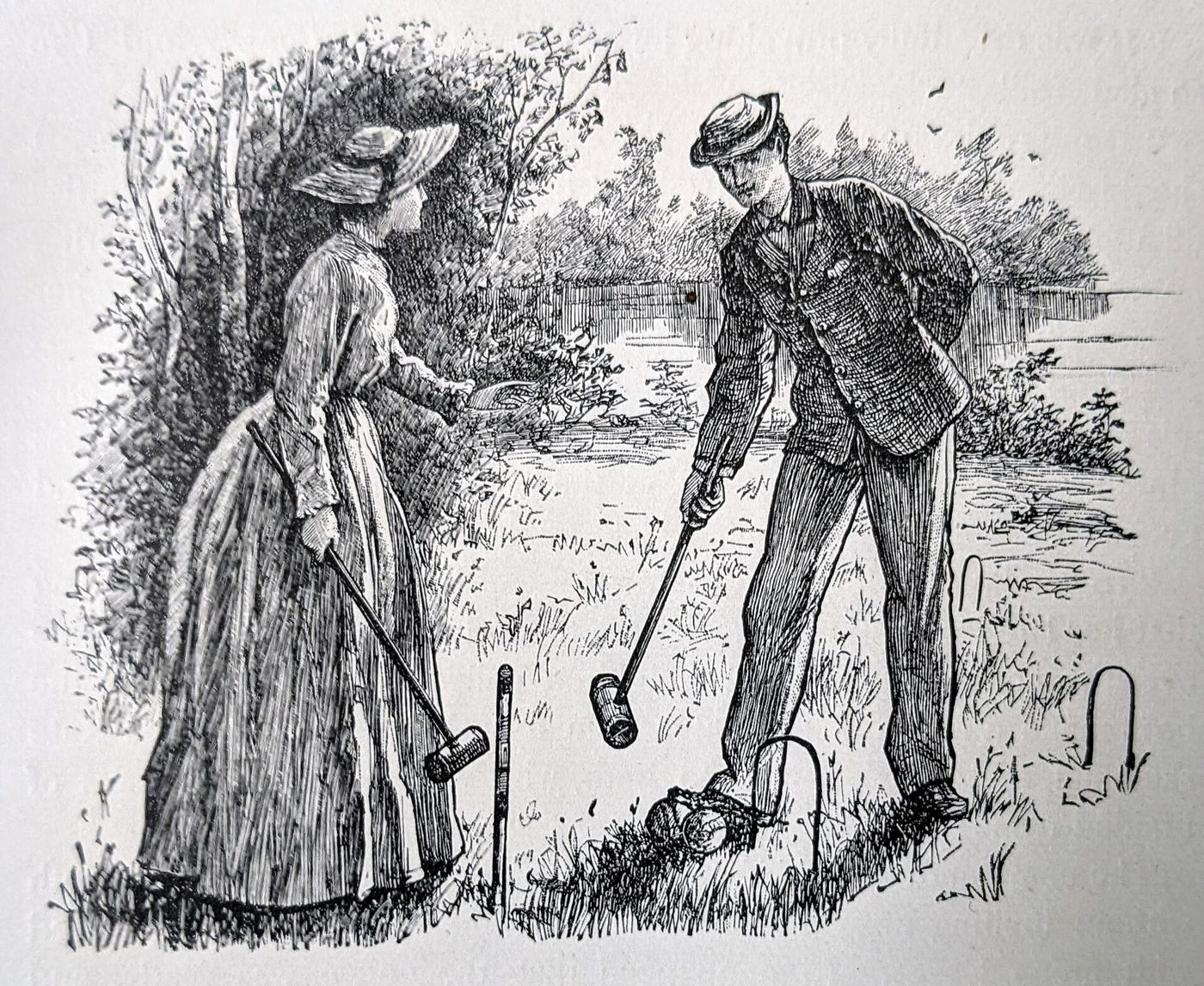

How do these drawings from 1880 show the sisters? Compare one drawing with a shot from the trailer.
Speak
1 · Continuous speech, 2 minutes
Present Jo March as a character: her family, her dreams, her conflicts.
Sentence starters
- Jo March is a… who…
- She dreams of…
- Her relationship with Amy / Laurie is…
2 · Interaction, the publisher’s office
Pairs. Jo and Mr. Dashwood negotiate the contract for her novel. Mr. Dashwood wants a married heroine and a cheap price. Jo wants to keep the copyright and a share of every book sold (royalties). Each character must make one compromise.
Useful words: copyright · royalties · a percentage · to pay in advance · a deal · to negotiate · to sign a contract
Sentence starters
- If my heroine marries, then I want…
- What percentage are you offering?
- I will sign only if…
- Can we agree that…?
3 · Debate, “Should an artist change her story to sell it?”
Argue using Jo’s case only.
Sentence starters
- For Jo, changing the ending means…
- On the other hand, selling the book allows her to…
Write
Write
B1 · 150 words: New York, 1868. As Jo, write a letter to Marmee: you have just sold your first story. (Written as the character.)
B2 · 220 words: “Women, they have minds and they have souls as well as just hearts.” How does the trailer present the ambitions of the March sisters?
Sentence starters
- Dear Marmee, I have wonderful news…
- The trailer suggests that each sister…
- This line shows that Jo refuses…
For the exam
For the exam. In the baccalauréat général, English (LVA / LVB) is assessed through continuous assessment: your annual average in 1re and in Tle counts (coefficient 3 each year). At the end of Tle, your teachers also certify your CEFR level in each skill, listening, reading, writing, speaking (continuous) and speaking (interaction), on your official language certificate. Every task below is built on those five skills, with authentic documents linked to a programme axis, exactly like your class assessments.
- Listening: trailer · Reading: Alcott’s journal, the timeline · Speaking: portrait, the publisher’s office, debate · Writing: Jo’s letter / analysis.
Project
Project, “The March sisters’ newspaper”
In the novel, the sisters write their own family newspaper, The Pickwick Portfolio. In groups, create a one-page newspaper written by the March sisters in 1868: Jo’s editorial, Amy’s art review, Meg’s advice column, Beth’s music corner. Use public-domain or own images, credited.
Sentence starters
- Our front page announces…
- In her editorial, Jo argues that…
- This picture shows…
Gerwig pair
Jo March and Lady Bird, two heroines, one director
Greta Gerwig directed Lady Bird in 2017 and Little Women in 2019. Saoirse Ronan plays both heroines. Compare them, talk about the characters only.

| Question | Lady Bird (2017) | Jo March (2019) |
|---|---|---|
| When and where? | Sacramento, 2002 to 2003 | Concord and New York, 1861 to 1868 |
| Her dream | a college on the East Coast | to be a writer and earn her own living |
| Her name | she chooses “Lady Bird” | “Jo”, a boyish short name for Josephine |
| The obstacle | money, her mother’s fears | money, a world where women must “marry well” |
| Leaving home | she leaves for New York | she goes to New York, then comes home |
| At the end | she calls herself Christine | she holds her printed book |
Cross-study task, 2 minutes
Pairs. One student speaks for Lady Bird, the other for Jo March. Each heroine explains her dream, her obstacle and what she has learnt at the end. Then answer together: What do the two heroines have in common?
Sentence starters
- Both heroines want to…
- Unlike Lady Bird, Jo…
- More than 130 years separate them, but…
- In both films, Greta Gerwig shows that…
Answer key (model)
- Both want to leave home to become someone, and both find that home is part of who they are.
- Lady Bird fights with her mother; Jo fights with a world that expects her to marry.
- Both films end with a young woman who owns her name or her story.
Closing: place & exchange
Step 1 · A place found or lost
Everything is exchange, and we can only give and receive from a place. First find each character’s place; then look at four kinds of exchange; then go deeper: what passes between the characters inside · trust, love, respect, meaning? Who do they become, not only what do they own?
Jo leaves Concord for New York, then comes home. What place does she find?
Sentence starters
- At the start, …’s place is…
- At the end, … has found / lost his/her place because…
Answer key
- Jo finds her place as a writer, at home, writing her sisters’ story, and in a school she opens in Aunt March’s house.
Step 2 · Four kinds of exchange
| Kind of exchange | In the film |
|---|---|
| Political | Jo and her publisher: the copyright and the money for her book. |
| Emotional | The four sisters; Jo and Laurie. |
| General interest | Marmee and the girls give their Christmas breakfast to the poor Hummel family. |
| Human rights | A woman’s right to earn money and to own her work. |
Sentence starters
- The political exchange in the film is between… and…
- …gives… to…, and in return…
- This exchange serves the general interest because…
- …defends the right to…
Step 3 · Beyond what they have: who they are
Now go deeper, from the place each character has found or lost. Talk about the characters only.
- Amy burns Jo’s manuscript; later, Jo saves her when she falls through the ice. What passes between the two sisters?
- Beth gives a lot and asks for nothing. What does Jo receive from her?
- At the end, Jo watches her book being printed. What does she own, and what has she given?
Sentence starters
- What really passes between… and… is…
- …does not only give…; he/she gives…
- Thanks to…, …understands who he/she is.
- At the end, what matters for… is not what he/she has but…
- This exchange changes… because…
- From his/her new place, … can at last give / receive…
Closing sentence (write it): From the place they find or lose, the deepest exchange in this film is…
Answer key
- Anger, then forgiveness: they understand that they love each other more than they hate each other.
- Courage to write: Beth asks Jo to write again, for her.
- She owns her book and her copyright, and she has given her sisters’ story to every reader.
- Model closing sentence: The deepest exchange in this film is between sisters who give each other the courage to choose their own lives.
Teacher
Notes pour le professeur
- Rattachement : séquence 2nde 06 « Looking ahead », en binôme avec Lady Bird (même réalisatrice, même actrice principale) · thème Growing up.
- 1re : séquence 01 « Identities in the making » (axe « Identités et échanges » : se dire / être dit), étude croisée Lady Bird × Little Women au niveau B2, préparant le « 2-min talk » de la tâche finale.
- Axes : 2nde « Représentation de soi et rapport à autrui », « Vivre entre générations » · 1re « Art et pouvoir », « Identités et échanges ».
- Titre français : Les Filles du docteur March (roman : Les Quatre Filles du docteur March).
- La fin : Greta Gerwig modifie la fin du roman : Jo négocie ses droits d’auteur avec son éditeur pendant qu’on voit la scène romantique « écrite » pour lui plaire. Bon support pour l’axe « Art et pouvoir ».
- Deux temporalités : le passé (1861) en lumière chaude et caméra mobile, le présent (1868) plus froid et plus statique (Yorick Le Saux, chef opérateur).
- Bande-annonce : chaîne officielle Sony Pictures Entertainment, vérifiée par oEmbed ; les répliques citées ont été vérifiées sur la bande-annonce.

Share this film study
https://trame-lycee.netlify.app/films/little-women.html
Created by Madame Carole Paoli Pompougnac.