

Film studies · Trame
Film study 7 of 11

Super Size Me

Morgan Spurlock · 2004 · a filmmaker eats only McDonald’s food for 30 days and films what happens, a famous, and much-debated, documentary.

Lycée général · 2nde → TleCEFR B1 → B2Axis: Scientific innovation & responsibilityAxis: Fictions & realitiesJustice & the environmentPG-13 · documentary

Background photo: John Margolies · Public domain

Why this film for you?

Can one experiment prove what fast food does to us?

For 30 days, Morgan Spurlock ate only McDonald’s food and filmed the effects on his body. Soon after the premiere, McDonald’s dropped its “Super Size” option, though the company denied any link. The film also teaches us to question evidence.

We always talk about the characters, never about our own private life.

Partie 1 · Pour l'enseignant

Guide de l'enseignant

Un film ne sort pas de nulle part : il questionne. Ce guide suit trois temps, avant, pendant, après le film, puis donne les adaptations par niveau et le corrigé de la fiche élève.

Pourquoi ce film ?

Pendant 30 jours, Morgan Spurlock ne mange que chez McDonald’s et filme les effets sur son corps. Le documentaire pose une question de méthode autant que de santé : une seule expérience peut-elle prouver ce que la restauration rapide nous fait ? En 2017, Spurlock a lui-même publié un texte qui a relancé les doutes sur son film : idéal pour apprendre à juger une preuve.

Culture

La société de consommation américaine, le marketing, les portions, la santé publique (2001, 2010, 2016).

Langue

Comprendre des chiffres et des avis médicaux ; argumenter sur la preuve.

Esprit critique

Une expérience sur une seule personne : que prouve-t-elle ? Comparaison avec l’étude de Linköping (2008).

Classé PG-13 (langage, références sexuelles, un acte médical filmé) : bande-annonce depuis la page officielle du distributeur et extraits choisis par l’enseignant.

Les élèves parlent toujours des personnages, jamais d'eux-mêmes : aucune question ne porte sur leur vécu personnel.

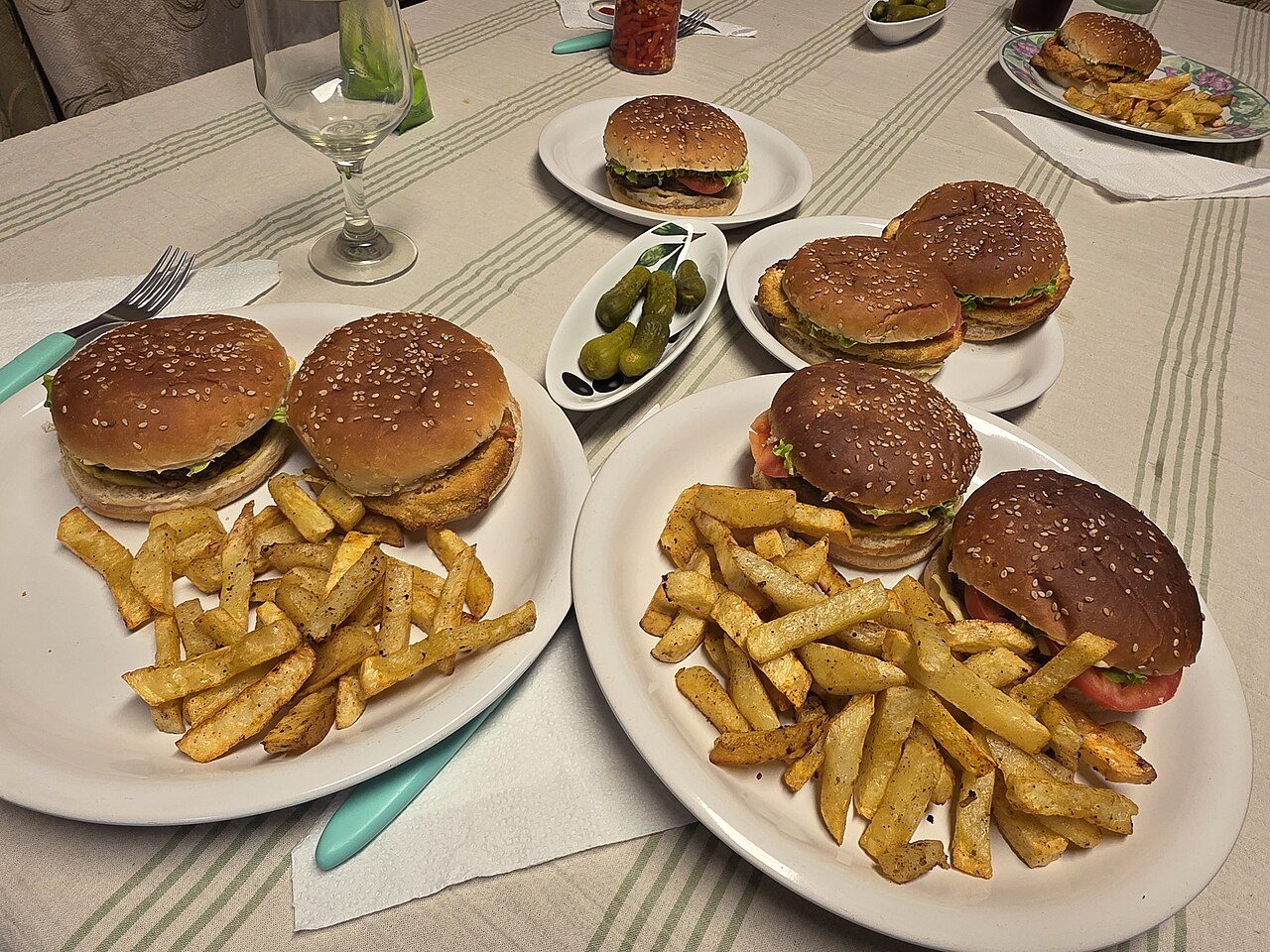
Hamburgers and French fries

Temps 1

Avant le film

Hamburgers and French fries Photo: Horacio Cambeiro · CC BY-SA 3.0 · Wikimedia Commons

a · Contexte historique et culturel

Projetez les repères ; présentez les règles de l’expérience (onglet Watch de la boîte à outils).

Project in class · Key dates

  1. 1940

    The McDonald brothers open a restaurant in San Bernardino, California.

  2. 1955

    Ray Kroc opens his first McDonald’s franchise.

  3. 2001

    The US Surgeon General issues a Call to Action against overweight and obesity.

  4. 2002

    Pelman v. McDonald’s: a lawsuit on behalf of two teenagers; dismissed in 2003.

  5. 2003

    1 February, 2 March: Spurlock’s 30-day experiment.

  6. 2004

    January: Sundance premiere. March: McDonald’s announces it will phase out Super Size portions (it says the decision is not linked to the film). 7 May: release.

  7. 2005

    Oscar nomination.

  8. 2008

    Linköping University (Sweden) publishes a controlled study of a fast-food overeating diet on 18 volunteers.

  9. 2010

    The Healthy, Hunger-Free Kids Act changes school meals.

  10. 2016

    A new Nutrition Facts label is announced by the FDA.

  11. 2017

    Spurlock releases Super Size Me 2: Holy Chicken!; in December he publishes a personal statement that raises new doubts about the first film.

  12. 2024

    Morgan Spurlock dies, aged 53.

Say it with…

  • « In …, … »
  • « One important date is… because… »
  • « This explains why the characters… »
  • « The film is set … years after… »
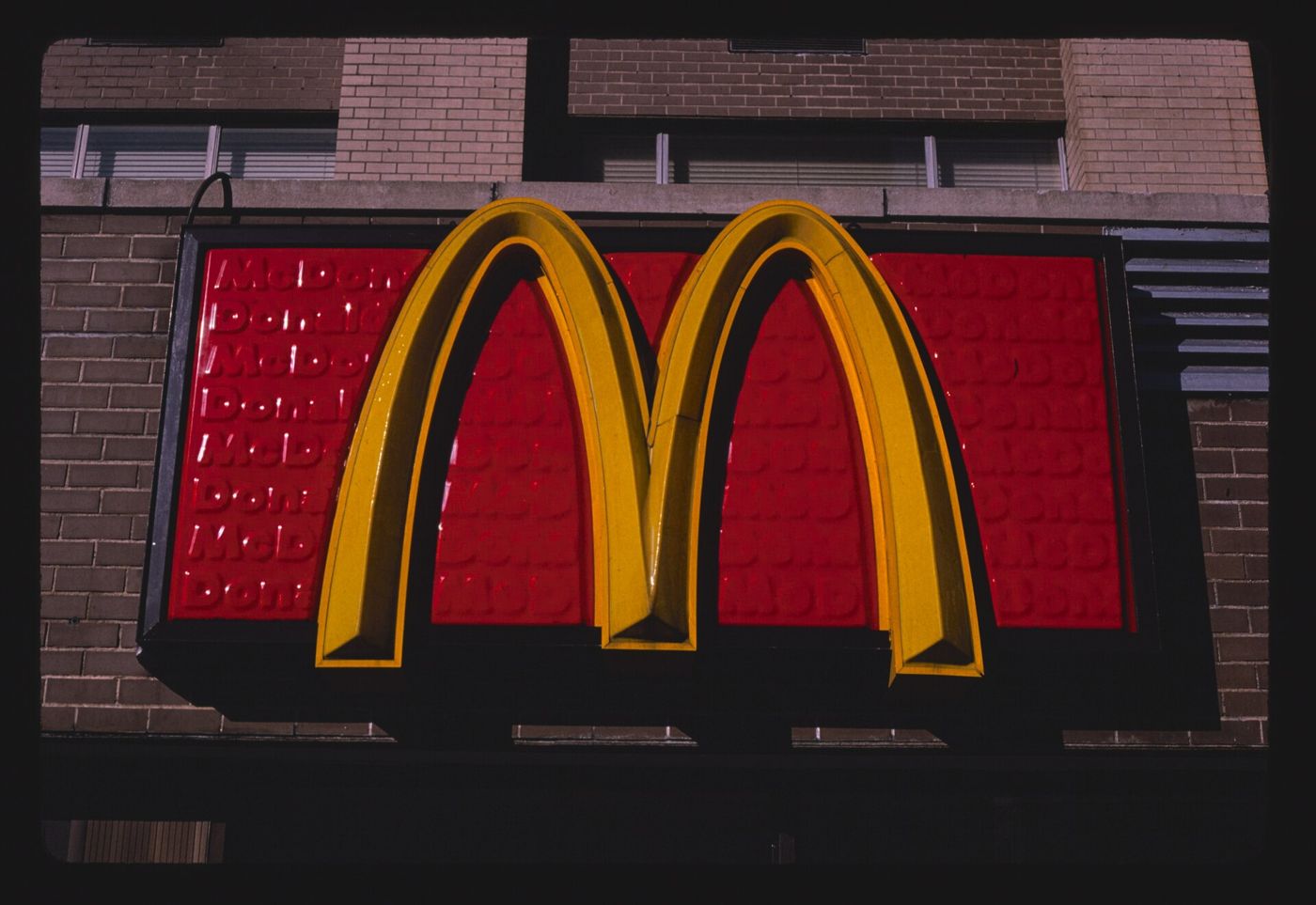
A McDonald’s sign in New York, 1984 (John Margolies)
A McDonald’s sign in New York, 1984 (John Margolies) · Photo: John Margolies · Public domain
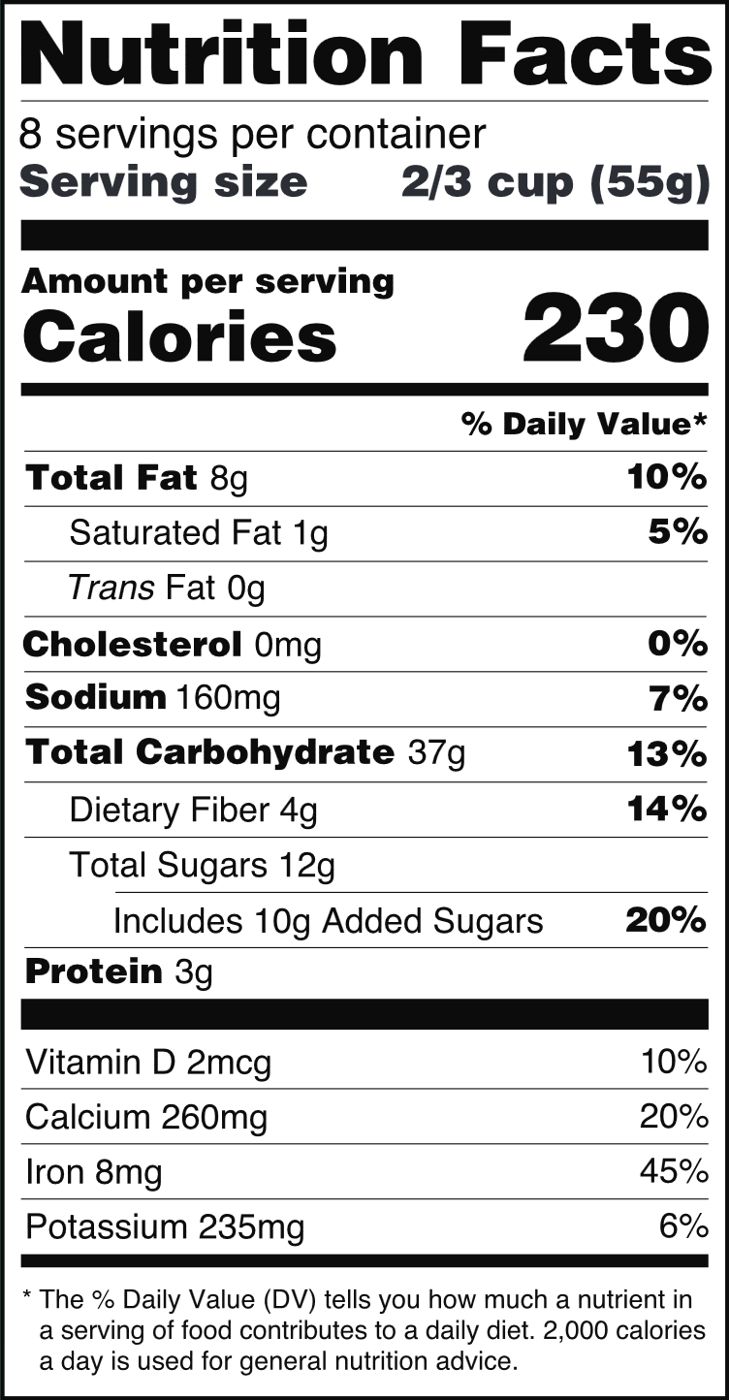
The official US Nutrition Facts label (FDA, 2016)
The official US Nutrition Facts label (FDA, 2016) · Photo: U.S. Food and Drug Administration · Public domain
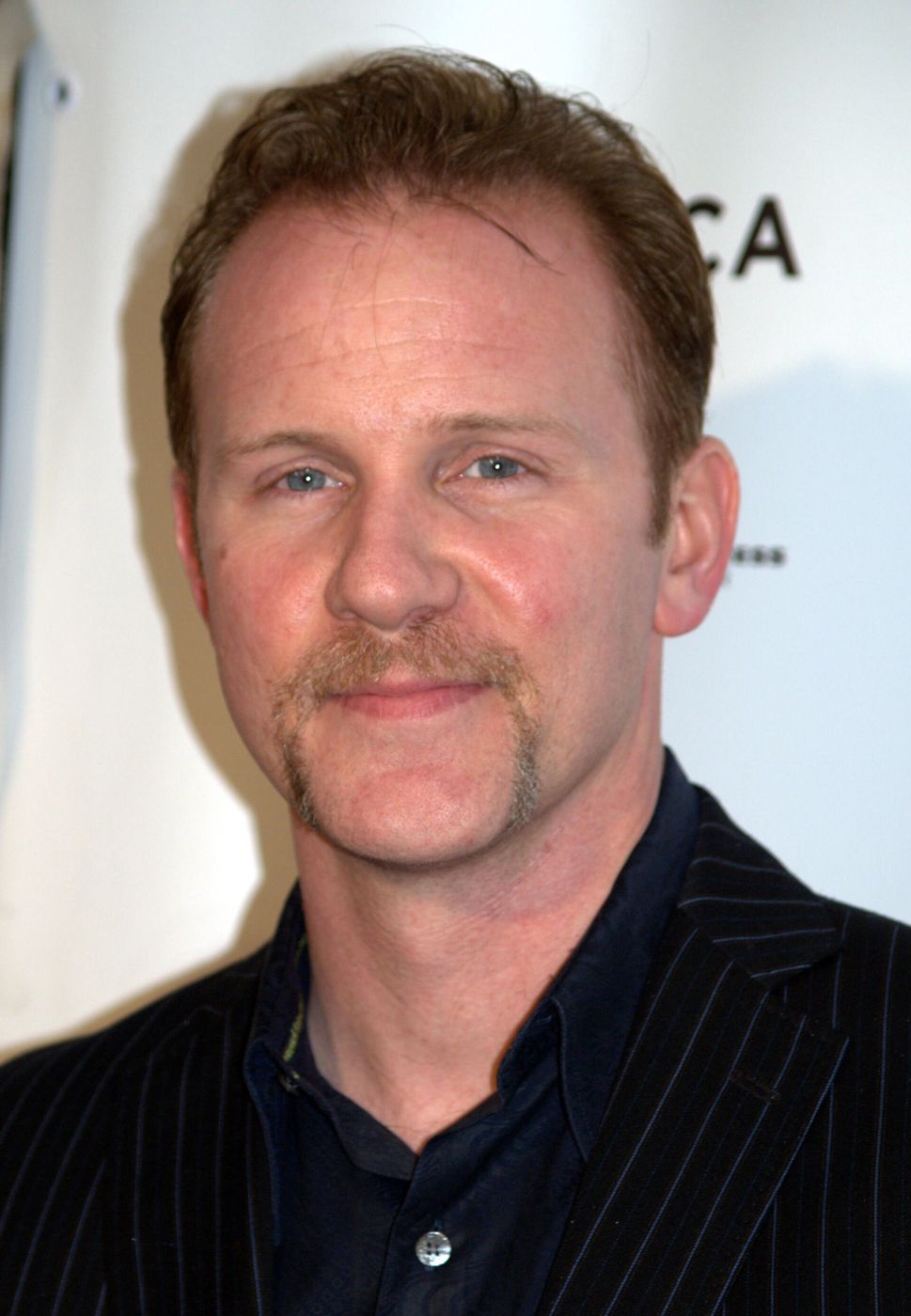
Morgan Spurlock at the Tribeca Film Festival, 2009
Morgan Spurlock at the Tribeca Film Festival, 2009 · Photo: David Shankbone · CC BY 3.0

b · Échauffement lexical

Projetez la banque de mots ; faites répéter les répliques de la bande-annonce en imitant les voix. Les minutages renvoient à la bande-annonce officielle et sont approximatifs (± 2 s).

Project in class · Word bank

Idioms and expressions
  • to super-size · to make something bigger
  • to put on weight · to get heavier
  • to prove a point · to show that something is true
  • a guinea pig · a person used for an experiment
  • to take something with a pinch of salt · not to believe it completely
The accents
  • Spurlock speaks directly to the audience, with humour and irony.
  • Doctors use medical English: liver, cholesterol, blood pressure.
Health and evidence
  • an experiment · a test to prove something
  • a portion · the quantity of food served
  • a calorie · a unit of energy in food
  • evidence · facts that prove something
  • a sample · the people studied in an experiment

Use the words with…

  • « Spurlock wants to prove that… »
  • « The doctors say… »
  • « One experiment is not enough because… »
  • « I would take … with a pinch of salt because… »

c · Guide d'anticipation

  1. Les élèves se positionnent (agree / disagree) sur quatre affirmations, avant de voir quoi que ce soit.
  2. Montrez l'affiche officielle (en ligne, sur le site du distributeur, elle n'est pas reproduite ici), puis le titre seul.
  3. Premier visionnage de la bande-annonce sans le son : hypothèses sur le thème. Second visionnage avec le son : on vérifie.

Project in class · Agree or disagree?

StatementBeforeAfter
One person’s experience can prove something about everybody.☐ A ☐ D☐ A ☐ D
Fast food is always bad for health.☐ A ☐ D☐ A ☐ D
Advertising changes what we eat.☐ A ☐ D☐ A ☐ D
A documentary can use humour and still be serious.☐ A ☐ D☐ A ☐ D

Make hypotheses with…

  • « On the poster, I can see… »
  • « The title makes me think of… »
  • « Without the sound, I think the film is about… »
  • « I agree / disagree because… »
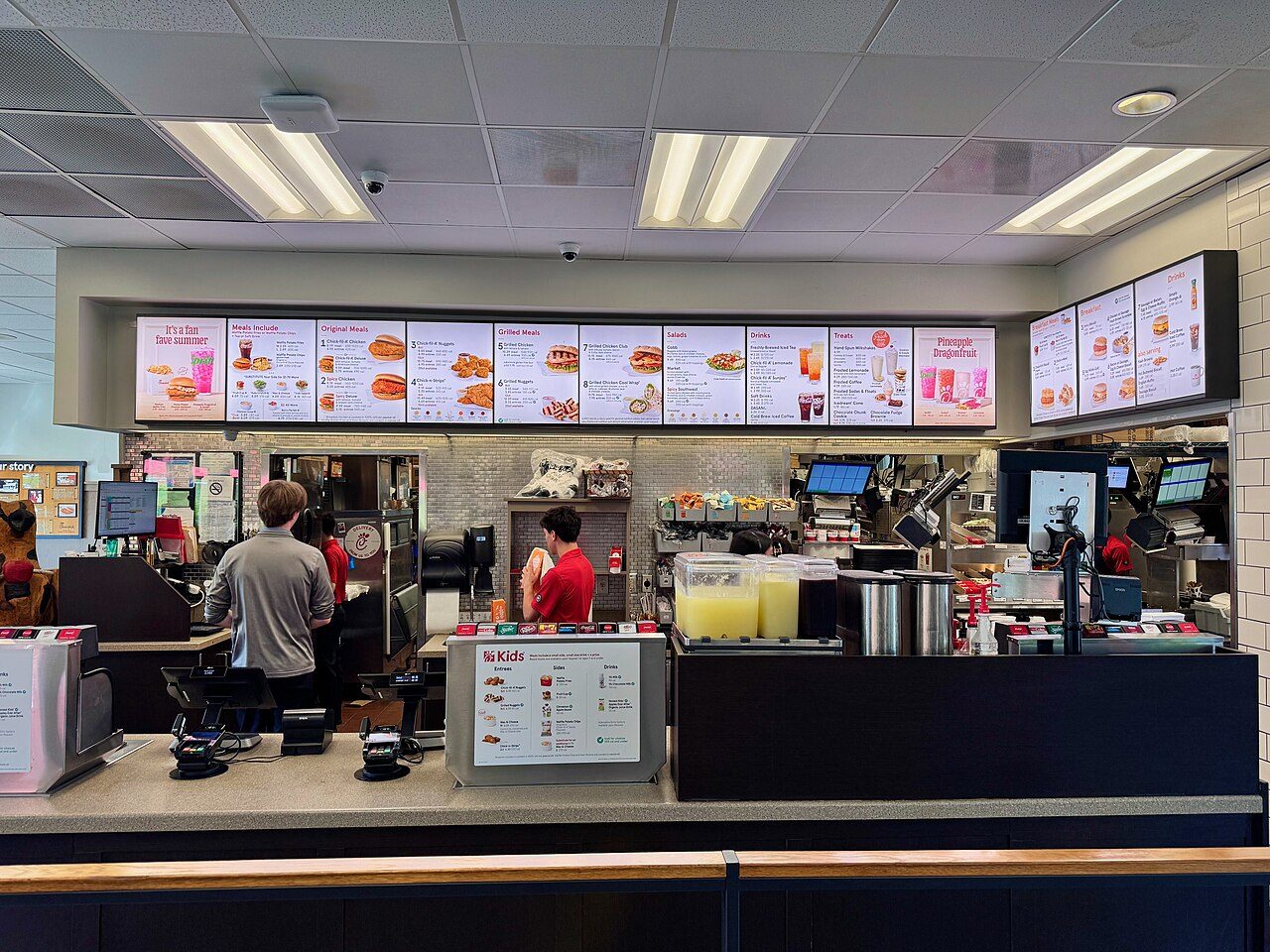
Inside a fast food restaurant, Georgia

Temps 2

Pendant le film

Inside a fast food restaurant, Georgia Photo: Harrison Keely · CC BY 4.0 · Wikimedia Commons

Classé PG-13 : bande-annonce et contexte ; pas de projection intégrale en classe. On visionne la bande-annonce officielle en entier, en trois passages : on fait une pause après chacun. Les questions détaillées et leurs corrigés sont dans l’onglet Watch de la boîte à outils, en bas de page.

Samuel Goldwyn Films, official page and trailer

ÉtapeMinutageCe qu'on travaille
1 · Global understandingbande-annonce (site du distributeur)Qui, où, quand, quel problème ? Questions « First viewing » (onglet Watch).
2 · Exact wordsbande-annonce (site du distributeur)Répliques à compléter (« Second viewing »), puis répétition à voix haute.
3 · Film languagebande-annonce (site du distributeur)Les moments de la partie 4 de la fiche élève : plans, angles, lumière, musique.

Consignes ciblées : trois groupes, une fiche par groupe (à projeter ou imprimer), puis mise en commun.

Project in class · Focus groups

Group A · Music & humour

How do songs, animations and jokes make the film entertaining?

Note it with…

  • « The film is funny when… »
  • « The humour helps… »
Group B · Who speaks?

List the people who speak: doctors, Spurlock’s partner, customers, experts.

Note it with…

  • « The doctor says… »
  • « His partner Alexandra… »
Group C · Evidence

Note the numbers. Which ones are measurements? Which ones are opinions?

Note it with…

  • « This number is a measurement because… »
  • « This is only an opinion because… »
Manhattan, New York City, where Morgan Spurlock lived

Temps 3

Après le film

Manhattan, New York City, where Morgan Spurlock lived Photo: Dietmar Rabich · CC BY-SA 4.0 · Wikimedia Commons

Débat : chaque binôme reçoit un dilemme, prépare deux arguments, puis débat avec un autre binôme. Fin du documentaire : après 30 jours, Spurlock a pris environ 11 kg et ses médecins s’inquiètent ; un carton final indique que McDonald’s a supprimé l’option « Super Size » (l’entreprise nie tout lien).

Project in class · Moral dilemmas

  • Should fast-food companies be responsible for their customers’ health?
  • Is an experiment on one person enough to change the law?
  • In 2017 Spurlock admitted he had not told the whole truth about his own habits. Should we still show the film?
  • Should fast-food advertising aimed at children be forbidden?

Debate with…

  • « In my opinion, … should have… because… »
  • « I see your point, but… »
  • « On the one hand…, on the other hand… »
  • « That’s why I think… »

Prolongement créatif : au choix, selon le niveau (voir le tableau des adaptations).

Project in class · Creative extension (choose one)

A better experiment

Design a fairer experiment: how many people, how long, what you measure.

Start with…

  • « We would ask … volunteers to… »
  • « We would measure… »
Spurlock’s diary

Write his diary on day 1 and on day 30 of the experiment.

Start with…

  • « Day 1: today I… »
  • « Day 30: I feel… »
A documentary review

Write a review that judges the film as evidence.

Start with…

  • « Super Size Me is a documentary which… »
  • « It is entertaining, but as evidence… »

Adaptations par niveau

La fiche élève (partie 2) change selon le niveau choisi : mêmes questions, débuts de phrases et longueur d'écrit adaptés. Choisissez le niveau avec les boutons de la partie 2.

NiveauLangueAvant / pendantAprès · production
2ndeA2+ → B1Règles de l’expérience ; trois chiffres ; groupes A, B, C.Paragraphe de 80 à 100 mots ; journal jour 1 / jour 30 ; débat.
1reB1 → B2Langage du documentaire ; distinguer preuves et opinions.Critique de 120 à 150 mots ; expérience plus juste ; débat.
TleB2Comparaison avec l’étude de Linköping (2008) et le texte de 2017.Article argumenté de 180 à 200 mots sur la preuve scientifique.

Corrigé de la fiche élève

Réponses modèles en anglais (niveau intermédiaire ; simplifiez ou développez selon le niveau).

Answer key · open

1 2004 · USA · Other: documentary (with comedy). 2.1 New York and across the USA, February to March 2003. 2.2 Introduction: after a lawsuit by two teenagers against McDonald’s, Spurlock decides to eat only McDonald’s food for 30 days. Climax: he gains weight, feels ill and his doctors worry about his liver. Resolution: he stops and needs months to recover; McDonald’s drops Super Size (denying any link).

3.1 Spurlock wants to show the effects of fast food; limits: one person, extreme rules, later doubts (2017). 3.2 The fast-food industry, advertising, portion size. 3.3 Consumer society, excess, car culture, marketing to children.

4 Spurlock talks to the camera: a personal, funny point of view; numbers on screen: the body becomes evidence. 5.1 Fast food and marketing shape our health, but we must judge evidence carefully. 5.2 Open answer (one experiment shows a risk; it does not prove a rule).

Questions de compréhension, langage du cinéma, oral, écrit et examen avec leurs corrigés : onglets de la boîte à outils ci-dessous. · Fiche film imprimable : fiche-super-size-me.

Part 2 · For students

Student’s worksheet

Choose your level: the questions and the sentence starters change for you.

1 · Your level

Name:

Date:

Film title:

Director:

Talk and write about the characters and the film, never about your own private life.

1 General identification

1.1 Year of release:

Start with…

  • « The film was released in… »

Start with…

  • « The film was released in…, and it is set in… »

Start with…

  • « Released in…, the film looks back at… »

1.2 Country of origin:

☐ USA   ☐ United Kingdom   ☐ Other: ________

Start with…

  • « It is a … film directed by… »

Start with…

  • « It is a … film, made by a … director. »

Start with…

  • « This … production, directed by…, … »

1.3 Genre (tick one or two):

☐ Drama   ☐ Comedy   ☐ Sci-Fi   ☐ Historical   ☐ Thriller   ☐ Social Realism   ☐ Other: ________

Start with…

  • « I think it is a … because the film shows… »

Start with…

  • « It belongs to … : it shows… »

Start with…

  • « It mixes … and …, which allows the director to… »
A McDonald’s sign in New York, 1984 (John Margolies)
A McDonald’s sign in New York, 1984 (John Margolies) · Photo: John Margolies · Public domain
The official US Nutrition Facts label (FDA, 2016)
The official US Nutrition Facts label (FDA, 2016) · Photo: U.S. Food and Drug Administration · Public domain

2 Plot & setting

2.1 Where and when does the story take place? Describe the place and the time.

Start with…

  • « The film is set in… in… »
  • « We can see… »

Start with…

  • « The story is set in…, at a time when… »
  • « The setting looks… because… »

Start with…

  • « Set in…, the film shows a place where… »
  • « The setting reflects… »

2.2 Sum up the main conflict in 3 sentences.

• Introduction

Start with…

  • « At the beginning, Morgan Spurlock… because… »

Start with…

  • « The film opens on Morgan Spurlock, who… »

Start with…

  • « The opening introduces Morgan Spurlock, a character who… »

• Climax (turning point)

Start with…

  • « Everything changes when… »

Start with…

  • « The turning point is when…, so… »

Start with…

  • « The turning point comes when…, which forces Morgan Spurlock to… »

• Resolution

Start with…

  • « In the end, Morgan Spurlock understands that… »

Start with…

  • « Finally, Morgan Spurlock realises that…, so… »

Start with…

  • « The ending suggests that… »
Morgan Spurlock at the Tribeca Film Festival, 2009
Morgan Spurlock at the Tribeca Film Festival, 2009 · Photo: David Shankbone · CC BY 3.0
Hamburgers and French fries
Hamburgers and French fries Photo: Horacio Cambeiro · CC BY-SA 3.0 · Wikimedia Commons

3 Character analysis

3.1 The main participant: Morgan Spurlock. What does he want to prove? What are the limits of his method?

Start with…

  • « The main character is Morgan Spurlock, who… »
  • « Morgan Spurlock wants to… because… »
  • « The main flaw is that… »

Start with…

  • « Morgan Spurlock is motivated by… »
  • « However, the main weakness is…, which is why… »

Start with…

  • « The driving force behind Morgan Spurlock is… »
  • « This flaw makes the character…, yet… »

3.2 The antagonist (the opposing force): who or what stops the protagonist?

Start with…

  • « The opposing force is the fast-food industry, who / which… »

Start with…

  • « the fast-food industry stands in the way because… »
  • « But the real obstacle may also be… »

Start with…

  • « Beyond the fast-food industry, the film points to… »
  • « The real antagonist could be…, since… »

3.3 Cultural identity: how does the film show American consumer society (fast food, portion size, advertising, the car)?

Start with…

  • « In the USA, fast food is… »
  • « Portions are… »

Start with…

  • « The film shows that advertising… »
  • « “Super Size” is a symbol of… »

Start with…

  • « The film criticises a culture of excess: … »
  • « Yet the experiment itself is… »
Inside a fast food restaurant, Georgia
Inside a fast food restaurant, Georgia Photo: Harrison Keely · CC BY 4.0 · Wikimedia Commons
Manhattan, New York City, where Morgan Spurlock lived
Manhattan, New York City, where Morgan Spurlock lived Photo: Dietmar Rabich · CC BY-SA 4.0 · Wikimedia Commons

4 Cinematic techniques

Your teacher plays the trailer from the distributor’s page: choose one technique from the list below.

  • throughout · Spurlock speaking to the camera
  • throughout · doctors interviewed in their offices
  • throughout · numbers on screen: weight, days
  • throughout · animated sequences and songs

4.1 Camera angles & shots: describe one memorable moment. Is it a close-up (focus on emotion) or a wide shot (focus on the place)?

Start with…

  • « At …, there is a … of… »
  • « It shows that… »

Start with…

  • « The director uses a … shot to… »
  • « This angle makes … look… »

Start with…

  • « The … at … invites the audience to… »
  • « By framing … this way, the director suggests that… »

4.2 Soundtrack & lighting: how do the music or the colours make you feel in that moment?

Start with…

  • « The music makes me feel… because… »
  • « The light is…, so… »

Start with…

  • « The music creates a … atmosphere. »
  • « The lighting makes … look… »

Start with…

  • « The contrast between … and … suggests… »
  • « The colour palette reflects… »
A McDonald’s sign in New York, 1984 (John Margolies)
A McDonald’s sign in New York, 1984 (John Margolies) · Photo: John Margolies · Public domain
The official US Nutrition Facts label (FDA, 2016)
The official US Nutrition Facts label (FDA, 2016) · Photo: U.S. Food and Drug Administration · Public domain

5 Critical thinking & personal opinion

5.1 Thematic core: what message is the director trying to send to the audience?

Start with…

  • « The message of the film is that… »
  • « The director wants us to… »

Start with…

  • « Morgan Spurlock shows that… »
  • « The film warns us that… »

Start with…

  • « The film suggests that…, because… »
  • « Ultimately, it questions… »

5.2 The question of the film: « Can one experiment prove what fast food does to us? » Answer it now, after the study.

Start with…

  • « My answer is… because… »
  • « At first I thought…, now I think… »

Start with…

  • « In my opinion,… For example, in the trailer… »
  • « The film made me think again about… »

Start with…

  • « I would argue that…, as shown by… »
  • « However, one could object that… »

5.3 Your review · Star rating: ☆ ☆ ☆ ☆ ☆

Write a paragraph (80 to 100 words).

Write a review (120 to 150 words) with two arguments and an example.

Write a review (180 to 200 words): two arguments, a concession and a conclusion.

Start with…

  • « I would recommend this film to… because… »
  • « What I liked most was… »
  • « However,… »

Start with…

  • « I would (not) recommend this film because… »
  • « The best moment of the trailer is… because… »
  • « On the other hand,… »

Start with…

  • « Super Size Me is a … film which… »
  • « What makes it relevant today is… »
  • « Even though…, I would recommend it to… »

Sources

  • Samuel Goldwyn Films, Super Size Me (official page).
  • Kechagias et al., Gut, 2008 (Linköping study) · FDA, Food labeling.
  • Photos: Wikimedia Commons and public-domain archives, credited under each image. No still from the film is reproduced.
  • Activities, sentence starters and model answers: Madame Carole Paoli Pompougnac.

Toolbox · all the activities

Comprehension, film language, context, characters, speaking, writing, exam and project, with answer keys. Use them with the guide and the worksheet above.

Cultural concept

Public health & consumer society

How marketing, portion size and cheap calories shape eating habits, and how to judge evidence about health.

Key question: Can one experiment prove something about everyone?

Route A · The film as a starting point

Watch → Film language → Context & history → Characters → Speak → Write → Project → Closing: place & exchange

Route B · The film as the final task

Context & history → Characters → Speak → Write → Watch the trailer → Film language → Final task: Project → Closing: place & exchange

Guiding thread: Finding one’s place in the world · Sub-thread: Giving and receiving, we can only give and receive from a place.
Theme: Justice & the environment

Overview

Hook, finding one’s place

Guiding thread: Finding one’s place in the world · Sub-thread: Giving and receiving, we can only give and receive from a place.

A McDonald’s restaurant sign in New York City
A McDonald’s restaurant sign in New York City · Photo: John Margolies · Public domain · Wikimedia Commons

Finding one’s place in the world · Young people today

The film opens with two teenage girls who took McDonald’s to court, and Morgan Spurlock tests fast food on his own body. Today, how do young people act for better food and health at school?

Sentence starters

  • The two teenage girls go to court because…
  • Young people can act for better school meals by…
  • To change eating habits, a school needs…
  • Caring for others’ health means…

Visionary filmmakers. Back in 2004, Morgan Spurlock was already questioning fast food and school lunches, years before healthy school meals became a public debate.

Talk about the characters and about young people in general, not about yourself.

Then, a second question:

Can one person’s experiment prove something about everyone?

Sentence starters

  • One person’s experience can show… but…
  • To prove something scientifically, you need…
  • A documentary is not a laboratory because…

The film in three lines

Official synopsis (Samuel Goldwyn Films): “While examining the influence of the fast food industry, Morgan Spurlock personally explores the consequences on his health of a diet of solely McDonald’s food for one month.” From 1 February to 2 March 2003, he eats three McDonald’s meals a day, accepts the “Super Size” option whenever it is offered, and limits his walking. Doctors follow his weight, blood and liver.

Your mission: understand the experiment, analyse how a documentary persuades, then judge its scientific value.
The trailerFilm study sheetJustice & the environment

A McDonald’s sign in New York, 1984 (John Margolies)
A McDonald’s sign in New York, 1984 (John Margolies)Photo: John Margolies · Public domain
The official US Nutrition Facts label (FDA, 2016)
The official US Nutrition Facts label (FDA, 2016)Photo: U.S. Food and Drug Administration · Public domain
Morgan Spurlock at the Tribeca Film Festival, 2009
Morgan Spurlock at the Tribeca Film Festival, 2009Photo: David Shankbone · CC BY 3.0

Film sheet

QR code to the printable film study sheet

Film study sheet · printable, clickable, with QR code.

Open the printable sheet

https://trame-lycee.netlify.app/films/fiche-super-size-me.html

Film credits

TitleSuper Size Me (USA, 2004), documentary
Director, writer, producerMorgan Spurlock (1970 to 2024)
WithMorgan Spurlock, Alexandra Jamieson (his partner, a vegan chef), doctors Daryl Isaacs, Lisa Ganjhu and Stephen Siegel
CinematographyScott Ambrozy
EditingJulie “Bob” Lombardi
MusicSteve Horowitz
ProductionThe Con
DistributorsSamuel Goldwyn Films, Roadside Attractions
Running timeabout 100 minutes
ReleaseSundance Film Festival, January 2004 (directing award, documentary) · USA, 7 May 2004
RatingPG-13, language, sex and drug references, and a graphic medical procedure
AwardsOscar nomination for Best Documentary Feature (77th Academy Awards, 2005); Writers Guild of America award for documentary screenplay

Film language, with examples from the documentary’s style

The official trailer is not freely available online: these examples describe techniques used throughout the documentary. Check them when your teacher plays the trailer or an extract.

Shots

WordMeaning
establishing shot / extreme long shotshows the place; people look tiny
long shota whole body in its setting
medium shotfrom the waist up
close-upa face fills the frame: emotion
extreme close-upa detail: eyes, a hand, an object
two-shottwo characters in one frame: a relationship
over-the-shoulder shotwe watch one character through another’s position
  • filmclose-ups of food, trays and cups: the size of portions
  • filmmedical close-ups: scales, blood tests, the doctor’s face

Angles

WordMeaning
eye levelneutral, we are equal with the character
high anglecamera above: the character looks small or weak
low anglecamera below: the character looks powerful
canted (Dutch) angletilted frame: unease, a world out of balance
bird’s-eye viewstraight down from above
  • filmthe filmmaker looks into the camera: a direct address to the viewer

Camera movement

WordMeaning
panthe camera turns horizontally
tiltthe camera moves up or down
tracking shotthe camera travels with a character or a car
zoomthe lens brings us closer
handheld camerashaky, urgent, documentary feel
crane / aerial shotthe camera flies above the scene
  • filmhandheld camera in the streets of New York: a “real life” feeling

Lighting & colour

WordMeaning
high-key lightingbright, few shadows: optimism
low-key lightingdark, strong shadows: tension, mystery
backlightinglight behind a character: a halo or a silhouette
natural lightsun, windows, candles
colour palettethe dominant colours of the film
  • filmthe bright red and yellow of fast-food signs
  • filmcold clinical light in doctors’ offices

Sound

WordMeaning
diegetic soundthe characters can hear it (a radio, a piano on stage)
non-diegetic soundonly the audience hears it (the score, a narrator)
voice-overa voice we hear over the images
scoremusic composed for the film
silenceno sound: a shock, a pause
sound bridgea sound that continues into the next scene
  • filmthe director’s first-person voice-over, full of humour
  • filmpop songs that make the subject entertaining

Editing

WordMeaning
cuta direct change of shot
cross-cuttingalternating between two places or stories
montagea fast series of shots that compresses time
fade to blackthe image disappears: an ending, a pause
intertitletext on screen between images
slow motiontime slows down: importance, emotion
  • filma day counter on screen (“Day 1… Day 30”): a diary structure
  • filmcartoons and graphics with numbers: calories, weight, cholesterol

Step into the period

Daily life

  • Early 2000s: Super Size portions, drive-throughs, soda refills
  • Debate about obesity, called an “epidemic” by the US Surgeon General
  • In 2002, a lawsuit against McDonald’s on behalf of two teenagers (Pelman v. McDonald’s) was dismissed

Music

  • Pop and rock soundtrack; comic songs

Fashion

  • 2000s street style in New York

Places

  • Manhattan, New York; trips across the USA to schools and experts
  • McDonald’s restaurants

Historical landmarks

  • 1940 The McDonald brothers open a restaurant in San Bernardino, California.
  • 1955 Ray Kroc opens his first McDonald’s franchise.
  • 2001 The US Surgeon General issues a Call to Action against overweight and obesity.
  • 2002 Pelman v. McDonald’s: a lawsuit on behalf of two teenagers; dismissed in 2003.
  • 2003 1 February, 2 March: Spurlock’s 30-day experiment.
  • 2004 January: Sundance premiere. March: McDonald’s announces it will phase out Super Size portions (it says the decision is not linked to the film). 7 May: release.
  • 2005 Oscar nomination.
  • 2008 Linköping University (Sweden) publishes a controlled study of a fast-food overeating diet on 18 volunteers.
  • 2010 The Healthy, Hunger-Free Kids Act changes school meals.
  • 2016 A new Nutrition Facts label is announced by the FDA.
  • 2017 Spurlock releases Super Size Me 2: Holy Chicken!; in December he publishes a personal statement that raises new doubts about the first film.
  • 2024 Morgan Spurlock dies, aged 53.

Sources: Samuel Goldwyn Films, Super Size Me · Kechagias et al., Gut, 2008 · FDA, Food labeling

Watch

Official trailer

The distributor’s trailer is not publicly available on YouTube. The teacher plays it from the distributor’s official page (link below) or from a licensed platform.

Samuel Goldwyn Films, official page and trailer

Before you watch, the rules of the experiment

Spurlock set himself these rules: eat three McDonald’s meals a day; eat every item on the menu at least once; eat and drink only what McDonald’s sells, water included; say yes to “Super Size” only when it is offered; walk about as much as an average American.

  1. Which rule seems the most extreme to you?
  2. Which rule makes the experiment less realistic?
  3. What would you measure if you were his doctor?

Sentence starters

  • The most extreme rule is… because…
  • A normal customer would not…
  • I would measure…

While watching, viewing grid

Look for…Your notes
people who speak (who are they?)
numbers on screen
humour (how is it created?)
music and its effect
the message in one sentence

Film language

A first-person documentary

Spurlock is director, narrator and subject. He talks to the camera, uses cartoons, numbers and pop songs. Compare this style with Food, Inc. (narrators, experts, interviews).

Sentence starters

  • Because the director is the subject,…
  • Humour makes the message… but it can also…
  • Compared with Food, Inc., this film is more…

Context & history

The experiment in numbers

  • 30 days: 1 February, 2 March 2003.
  • About 5,000 kilocalories a day, according to Spurlock, about twice what is generally recommended for an adult man.
  • He gained about 11 kg (24.5 pounds).

Critical thinking, is it science?

The film was a huge success and helped start a national debate. But its scientific value was criticised:

  • it is an experiment on one person, with no control group;
  • he ate far more calories than usual and walked less: critics said any diet with that many calories would make a person gain weight;
  • he did not publish his complete food log;
  • a Swedish study with 18 volunteers and a control group (Kechagias et al., Gut, 2008) found that doubling calories with fast food and little exercise for four weeks could strongly raise liver enzymes: overeating itself, not one brand, was the issue it measured;
  • years later, the director’s own statements raised doubts about whether everything he consumed had been reported.
  1. List three conditions for a reliable scientific experiment.
  2. Does the criticism make the film useless? Why or why not?
Answer key
  1. Several subjects; a control group; measured, published data; repeatable method; independent checks.
  2. Open answer: it is weak as science but strong as a debate starter; McDonald’s phased out Super Size portions in 2004 (while denying a link).

Sentence starters

  • As a scientific experiment, the film is weak because…
  • However, as a piece of communication,…
  • A documentary should be judged on…

Characters

PersonRole
Morgan Spurlockdirector and subject of the experiment
Alexandra Jamiesonhis partner, a vegan chef, worried about his health
Dr Daryl Isaacs, Dr Lisa Ganjhu, Dr Stephen Siegelgeneral practitioner, gastroenterologist, cardiologist who follow him

Sentence starters

  • The doctors’ role is to…
  • The partner gives the film…

Speak

1 · Design a better experiment, 2 minutes (groups)

Plan a fair version of the experiment: subjects, rules, measures, duration, ethics. Present it.

Presentation2:00

Sentence starters

  • Our experiment would involve…
  • To make it fair, we would…
  • We would measure…
  • Ethically, we must…

2 · Interaction, the TV debate

Four roles: a fast-food spokesperson, a nutritionist, a film critic, a TV host. 5 minutes.

Debate5:00

Sentence starters

  • Our company offers…
  • From a nutritional point of view,…
  • As a documentary, the film…
  • Let me ask you…

3 · Debate, “Should junk food advertising be banned for children?”

Sentence starters

  • Children cannot…
  • Parents should…
  • A ban would…

Write

Write

B1 · 150 words: Day 15 of the experiment: write Spurlock’s diary entry (as the character).

B2 · 250 words: “A good documentary must be scientifically accurate.” Do you agree?

Sentence starters

  • Day 15. Today I…
  • A documentary is… rather than…
  • Even if…, it still…

For the exam

For the exam. In the baccalauréat général, English (LVA / LVB) is assessed through continuous assessment: your annual average in 1re and in Tle counts (coefficient 3 each year). At the end of Tle, your teachers also certify your CEFR level in each skill, listening, reading, writing, speaking (continuous) and speaking (interaction), on your official language certificate. Every task below is built on those five skills, with authentic documents linked to a programme axis, exactly like your class assessments.

  • Listening: trailer · Reading: criticism, label · Speaking: experiment design, TV debate · Writing: diary / essay.

Project

Project, “Read the label” campaign

In groups, design a short awareness campaign (poster + 30-second spot) teaching teenagers to read a Nutrition Facts label, with no brand names and no judgement of people.

Sentence starters

  • Before you buy, check…
  • Did you know that…?

Closing: place & exchange

Step 1 · A place found or lost

Everything is exchange, and we can only give and receive from a place. First find each character’s place; then look at four kinds of exchange; then go deeper: what passes between the characters inside · trust, love, respect, meaning? Who do they become, not only what do they own?

What place does fast food take in the daily life shown in the film?

Sentence starters

  • At the start, …’s place is…
  • At the end, … has found / lost his/her place because…
Answer key
  1. Fast food takes the central place in Morgan’s days; doctors and Alexandra try to bring care back.

Step 2 · Four kinds of exchange

Kind of exchangeIn the film
PoliticalThe film opens with two teenage girls suing McDonald’s.
EmotionalAlexandra, Morgan’s girlfriend, worries about him.
General interestSchool lunches and public health.
Human rightsThe right to clear information about what we eat.

Sentence starters

  • The political exchange in the film is between… and…
  • …gives… to…, and in return…
  • This exchange serves the general interest because…
  • …defends the right to…

Step 3 · Beyond what they have: who they are

Now go deeper, from the place each character has found or lost. Talk about the characters only.

  1. The doctors ask Morgan to stop. What does their warning show about the bond between a doctor and a patient?
  2. What does Alexandra give Morgan during the 30 days?
  3. The experiment is about the body, but what does the film suggest about care, for oneself and for others?

Sentence starters

  • What really passes between… and… is…
  • …does not only give…; he/she gives…
  • Thanks to…, …understands who he/she is.
  • At the end, what matters for… is not what he/she has but…
  • This exchange changes… because…
  • From his/her new place, … can at last give / receive…

Closing sentence (write it): From the place they find or lose, the deepest exchange in this film is…

Answer key
  1. Care and honesty: they speak to a person, not to a test subject.
  2. Support, care and food made with attention, and the plan to help him recover.
  3. Care is an exchange of attention: the people around him matter as much as the numbers. (Remember the limits of the method, Write tab.)
  4. Model closing sentence: Beyond calories, the film shows how much we depend on those who care for us.

Teacher

Teacher notes

PG-13 (language, sex and drug references, a graphic medical procedure). Use the trailer and extracts chosen by the teacher.
  • Trailer: the distributor’s YouTube upload is private; link to the Samuel Goldwyn Films page (no embed).
  • Critical-thinking point (verified): in December 2017, in a public statement, Spurlock wrote that he had been drinking alcohol since the age of 13 and had not been sober “for more than a week in 30 years”. In the film he tells the doctor he does not drink. Critics (e.g. Phelim McAleer, Wall Street Journal, May 2018) argued that undisclosed alcohol use could explain his liver results. Nuance: in 2024 his ex-wife Alexandra Jamieson said he had stopped drinking a month before the experiment and did not drink during it (The Sporkful, 2024). The scientific method was criticised anyway (one subject, 5,000 kcal/day, food log not published; Kechagias et al., 2008).
  • Keep the discussion on the method and on media literacy, not on the director’s private life.
  • Axes: 2nde « Défis et transitions » · 1re « Innovations scientifiques et responsabilité » · Tle « Fictions et réalités ».

Full teacher page (FR) →

QR code to this film study

Share this film study

https://trame-lycee.netlify.app/films/super-size-me.html

Created by Madame Carole Paoli Pompougnac.