Student’s worksheet · 1re · B1 → B2Tle · B2
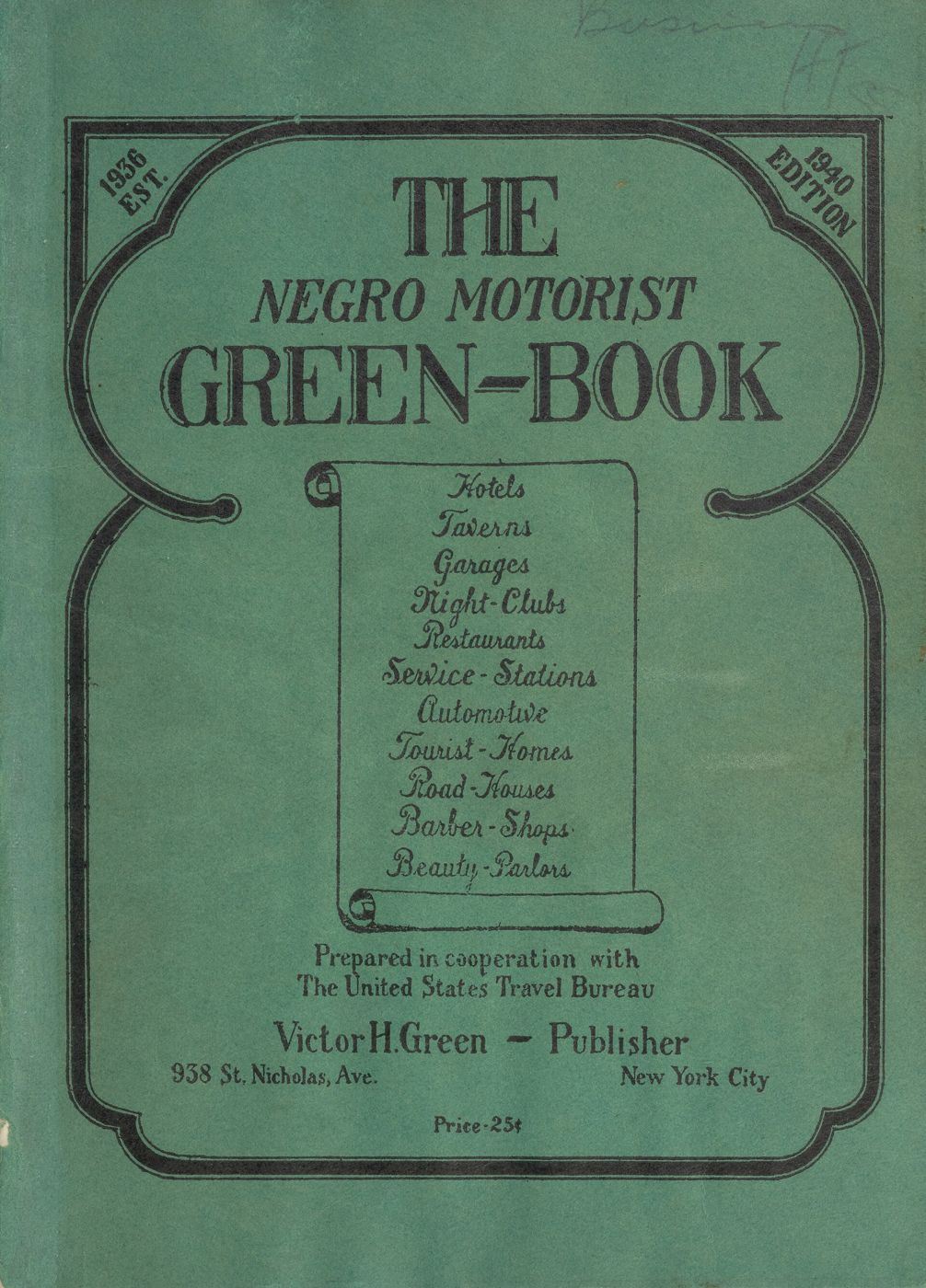
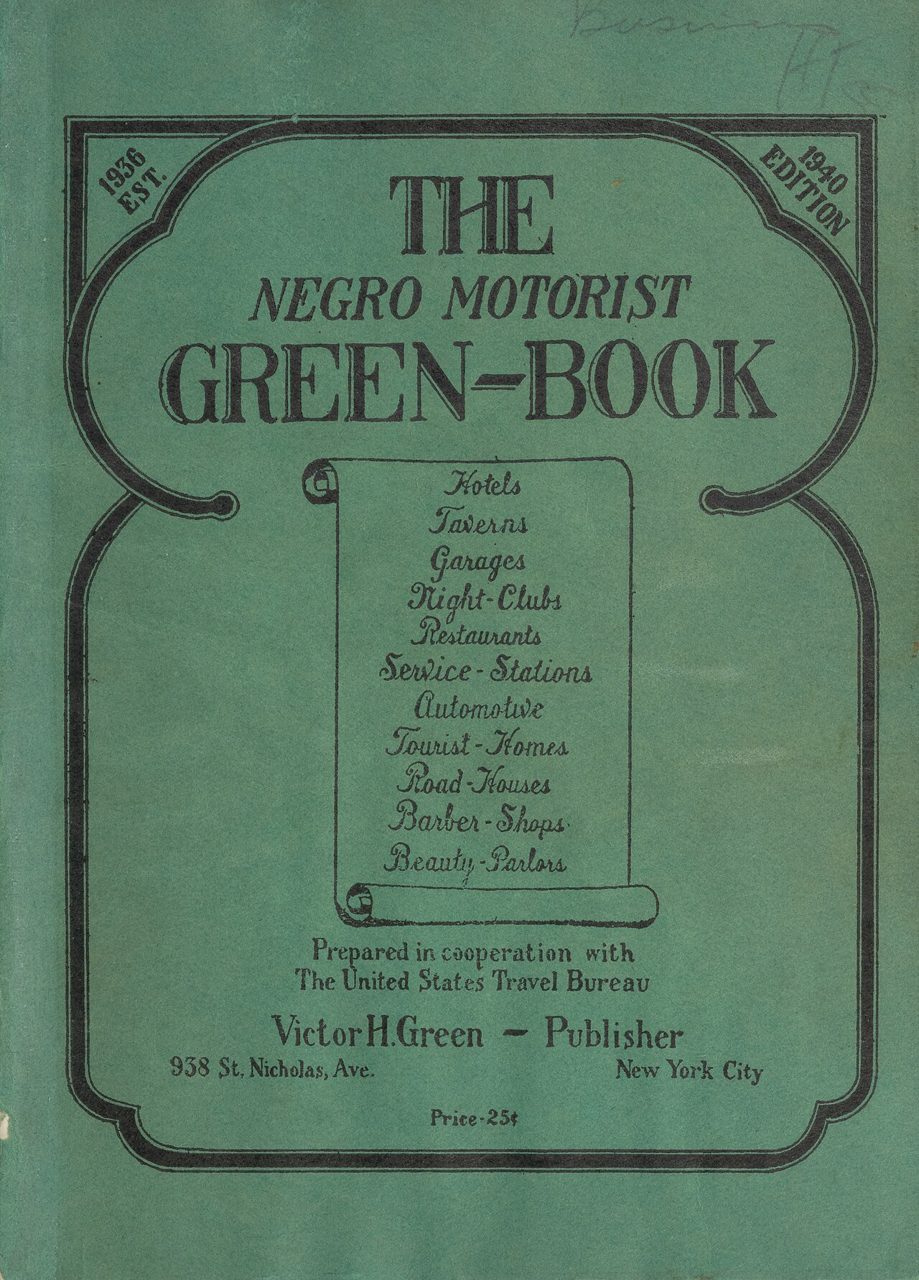
Green Book (2018)
Peter Farrelly · official trailer · Who has the right to tell someone else’s story?



Name:
Date:
Film title:
Director:
Talk and write about the characters and the film, never about your own private life.
1 General identification
1.1 Year of release:
Start with…
- « The film was released in…, and it is set in… »
Start with…
- « Released in…, the film looks back at… »
1.2 Country of origin:
☐ USA ☐ United Kingdom ☐ Other: ________
Start with…
- « It is a … film, made by a … director. »
Start with…
- « This … production, directed by…, … »
1.3 Genre (tick one or two):
☐ Drama ☐ Comedy ☐ Sci-Fi ☐ Historical ☐ Thriller ☐ Social Realism ☐ Other: ________
Start with…
- « It belongs to … : it shows… »
Start with…
- « It mixes … and …, which allows the director to… »



2 Plot & setting
2.1 Where and when does the story take place? Describe the place and the time.
Start with…
- « The story is set in…, at a time when… »
- « The setting looks… because… »
Start with…
- « Set in…, the film shows a place where… »
- « The setting reflects… »
2.2 Sum up the main conflict in 3 sentences.
• Introduction
Start with…
- « The film opens on Don Shirley, who… »
Start with…
- « The opening introduces Don Shirley, a character who… »
• Climax (turning point)
Start with…
- « The turning point is when…, so… »
Start with…
- « The turning point comes when…, which forces Don Shirley to… »
• Resolution
Start with…
- « Finally, Don Shirley realises that…, so… »
Start with…
- « The ending suggests that… »
3 Character analysis
3.1 The protagonist (main hero): name, motivations and main flaws.
Start with…
- « Don Shirley is motivated by… »
- « However, the main weakness is…, which is why… »
Start with…
- « The driving force behind Don Shirley is… »
- « This flaw makes the character…, yet… »
3.2 The antagonist (the opposing force): who or what stops the protagonist?
Start with…
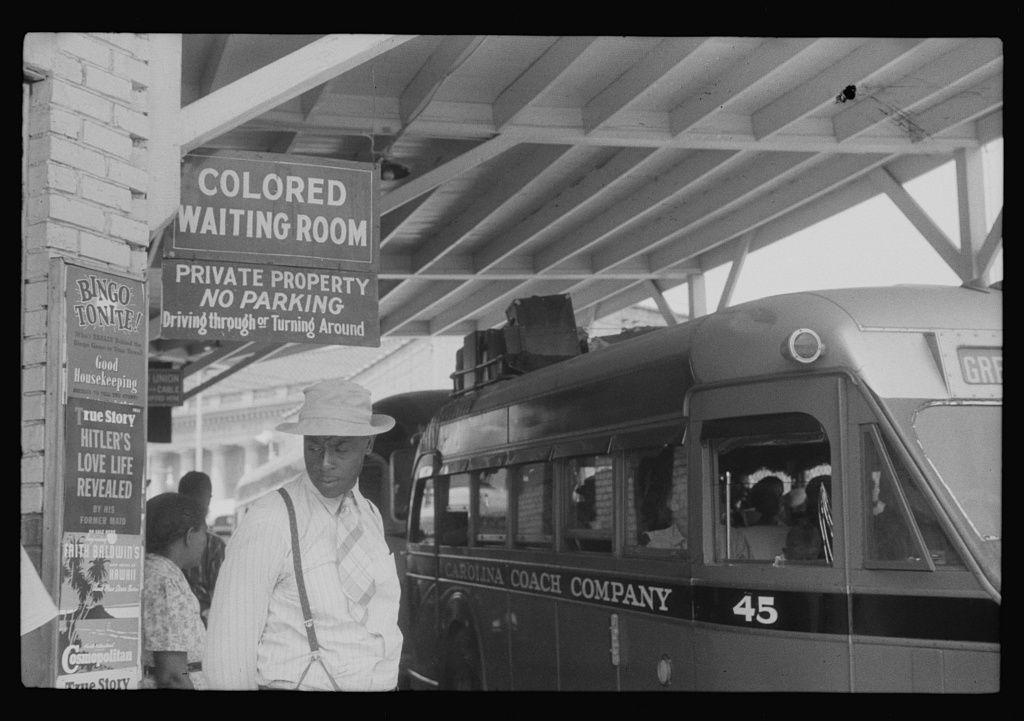
- « the Jim Crow South stands in the way because… »
- « But the real obstacle may also be… »
Start with…
- « Beyond the Jim Crow South, the film points to… »
- « The real antagonist could be…, since… »
3.3 Cultural identity: how does the film show American values and divisions (the road trip, the Deep South, class and race, the Italian-American family)?
Start with…
- « The road trip is a very American… »
- « In the South, Shirley is applauded on stage but… »
Start with…
- « The film contrasts the North and the South: … »
- « Tony and Shirley embody two Americas: … »
4 Cinematic techniques
Use the official trailer: choose one moment from the list below.
- ≈0:02 · a 1960s street
- ≈0:14 · Shirley on a throne-like chair
- ≈0:34 · Shirley in the back seat
- ≈2:14 · the spotlit piano
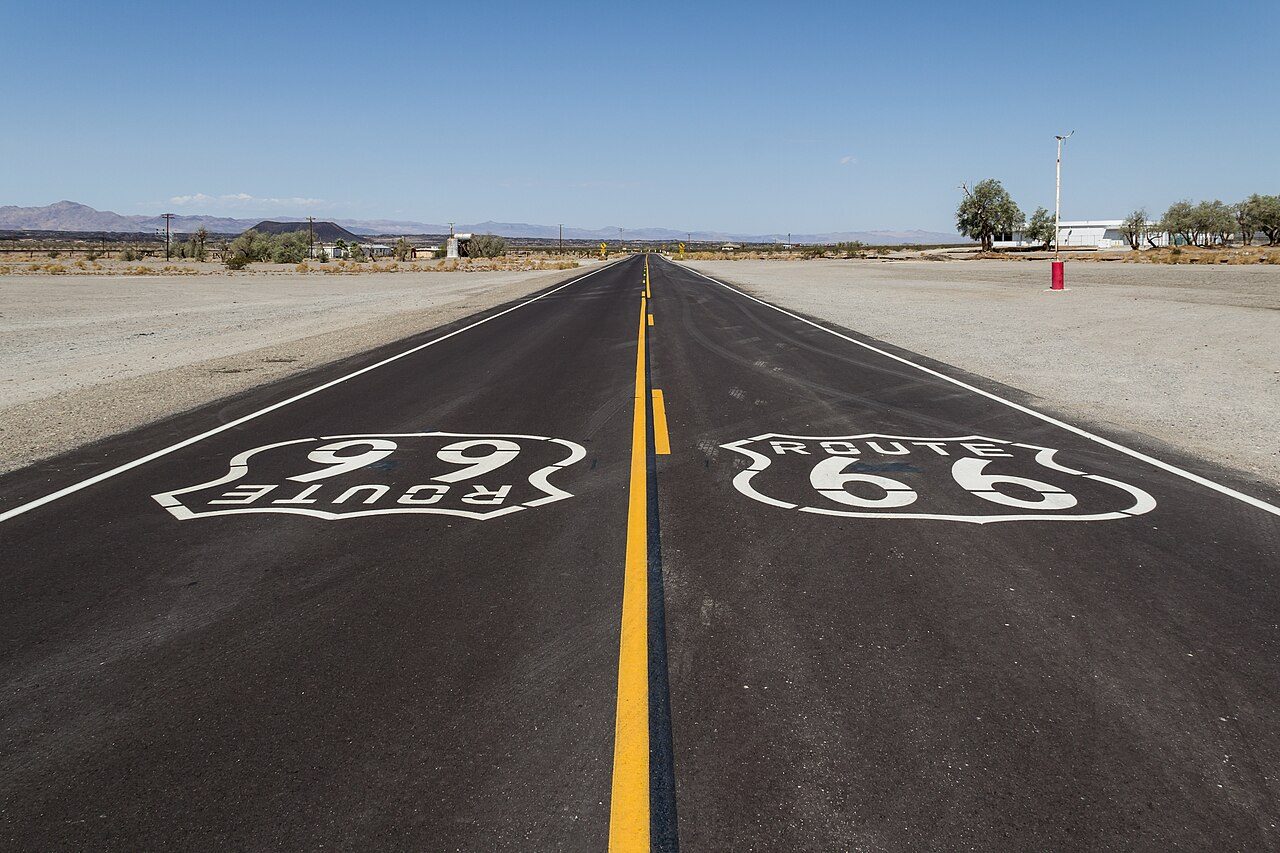
- ≈2:26 · the car on an empty road
4.1 Camera angles & shots: describe one memorable moment. Is it a close-up (focus on emotion) or a wide shot (focus on the place)?
Start with…
- « The director uses a … shot to… »
- « This angle makes … look… »
Start with…
- « The … at … invites the audience to… »
- « By framing … this way, the director suggests that… »
4.2 Soundtrack & lighting: how do the music or the colours make you feel in that moment?
Start with…
- « The music creates a … atmosphere. »
- « The lighting makes … look… »
Start with…
- « The contrast between … and … suggests… »
- « The colour palette reflects… »
5 Critical thinking & personal opinion
5.1 Thematic core: what message is the director trying to send to the audience?
Start with…
- « Peter Farrelly shows that… »
- « The film warns us that… »
Start with…
- « The film suggests that…, because… »
- « Ultimately, it questions… »
5.2 The question of the film: « Who has the right to tell someone else’s story? » Answer it now, after the study.
Start with…
- « In my opinion,… For example, in the trailer… »
- « The film made me think again about… »
Start with…
- « I would argue that…, as shown by… »
- « However, one could object that… »
5.3 Your review · Star rating: ☆ ☆ ☆ ☆ ☆
Write a review (120 to 150 words) with two arguments and an example.
Write a review (180 to 200 words): two arguments, a concession and a conclusion.
Start with…
- « I would (not) recommend this film because… »
- « The best moment of the trailer is… because… »
- « On the other hand,… »
Start with…
- « Green Book is a … film which… »
- « What makes it relevant today is… »
- « Even though…, I would recommend it to… »