


Cultural concept
Environmental justice, the food system
How industrial agriculture affects farmers, workers, animals, consumers and the environment.
Key question: Who controls what we eat?
Watch → Film language → Context & history → Characters → Speak → Write → Project → Closing: place & exchange
Context & history → Characters → Speak → Write → Watch the trailer → Film language → Final task: Project → Closing: place & exchange
Guiding thread: Finding one’s place in the world · Sub-thread: Giving and receiving, we can only give and receive from a place.
Theme: Justice & the environment
Overview
Hook, finding one’s place
Guiding thread: Finding one’s place in the world · Sub-thread: Giving and receiving, we can only give and receive from a place.
Finding one’s place in the world · Young people today
Barbara Kowalcyk turns her grief into a campaign so that other families are protected. Today, how do young people act to change the way food is produced?
Sentence starters
- Barbara Kowalcyk fights so that…
- Young people act on food by…
- A campaign can change things when…
- Protecting others can give a person…
Visionary filmmakers. Back in 2008, Robert Kenner was already asking who controls our food, long before “eat local” became an everyday slogan.
Talk about the characters and about young people in general, not about yourself.
Then, a second question:
Do you know where your last meal came from? The trailer says that the modern supermarket has on average 47,000 products. How many of them contain corn?
Sentence starters
- I think food travels…
- A supermarket gives an illusion of…
- Corn could be in… because…
The film in three lines
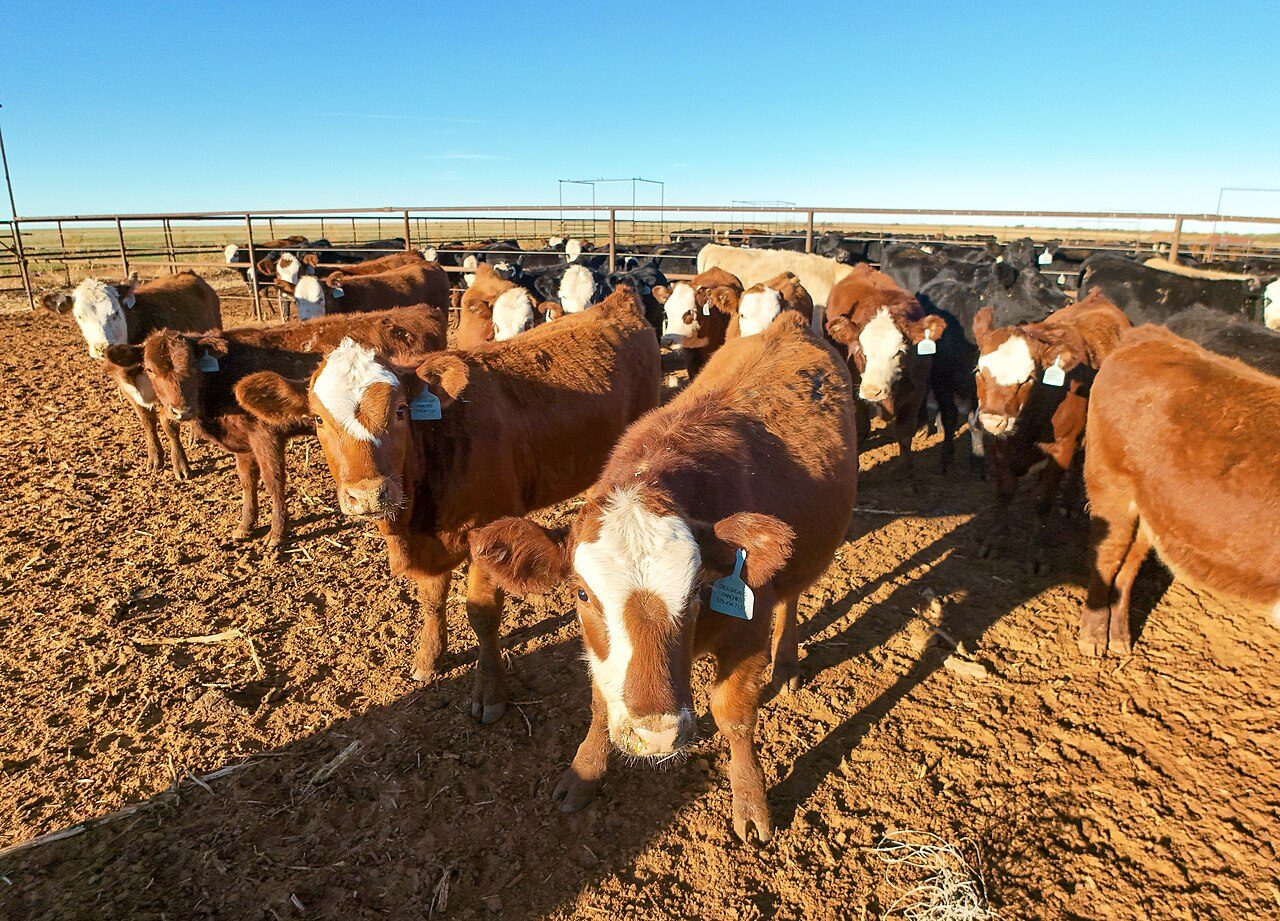
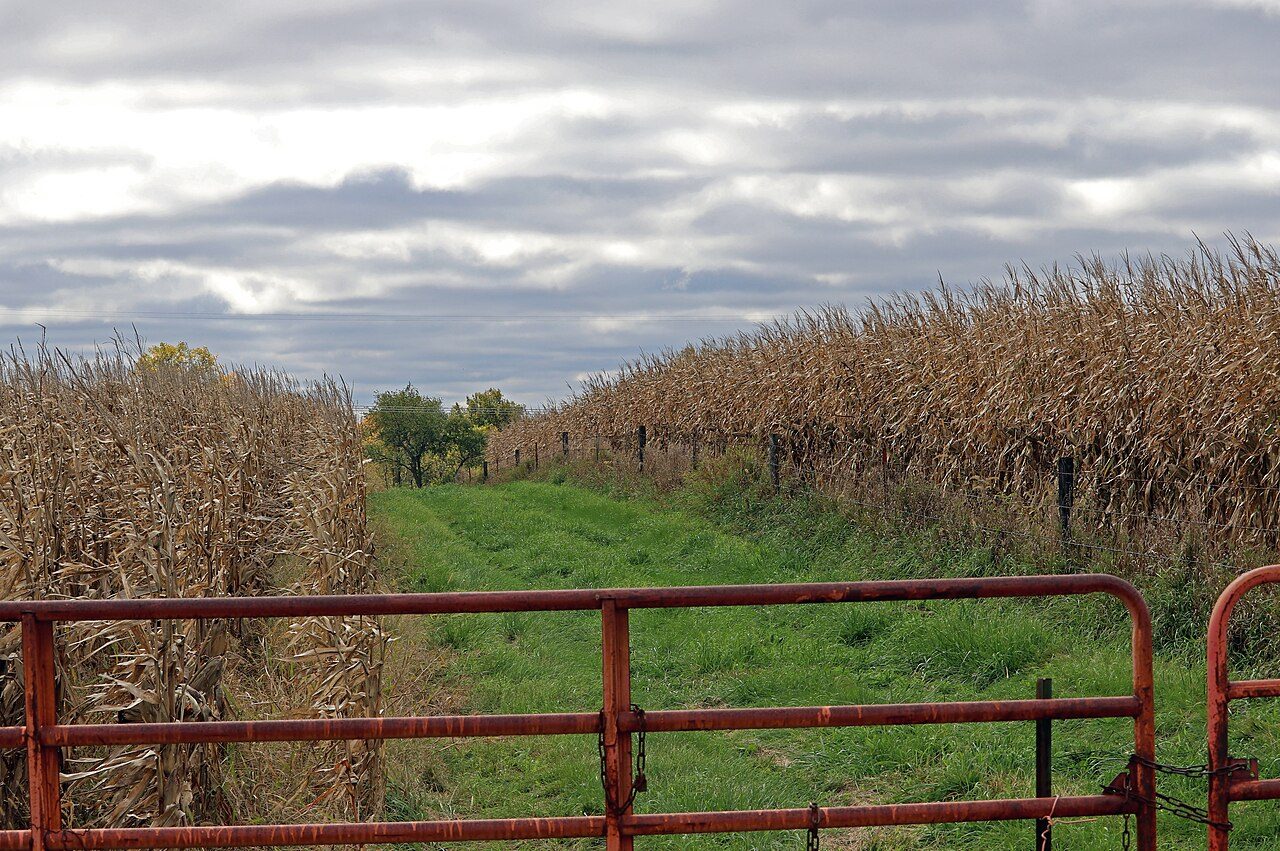
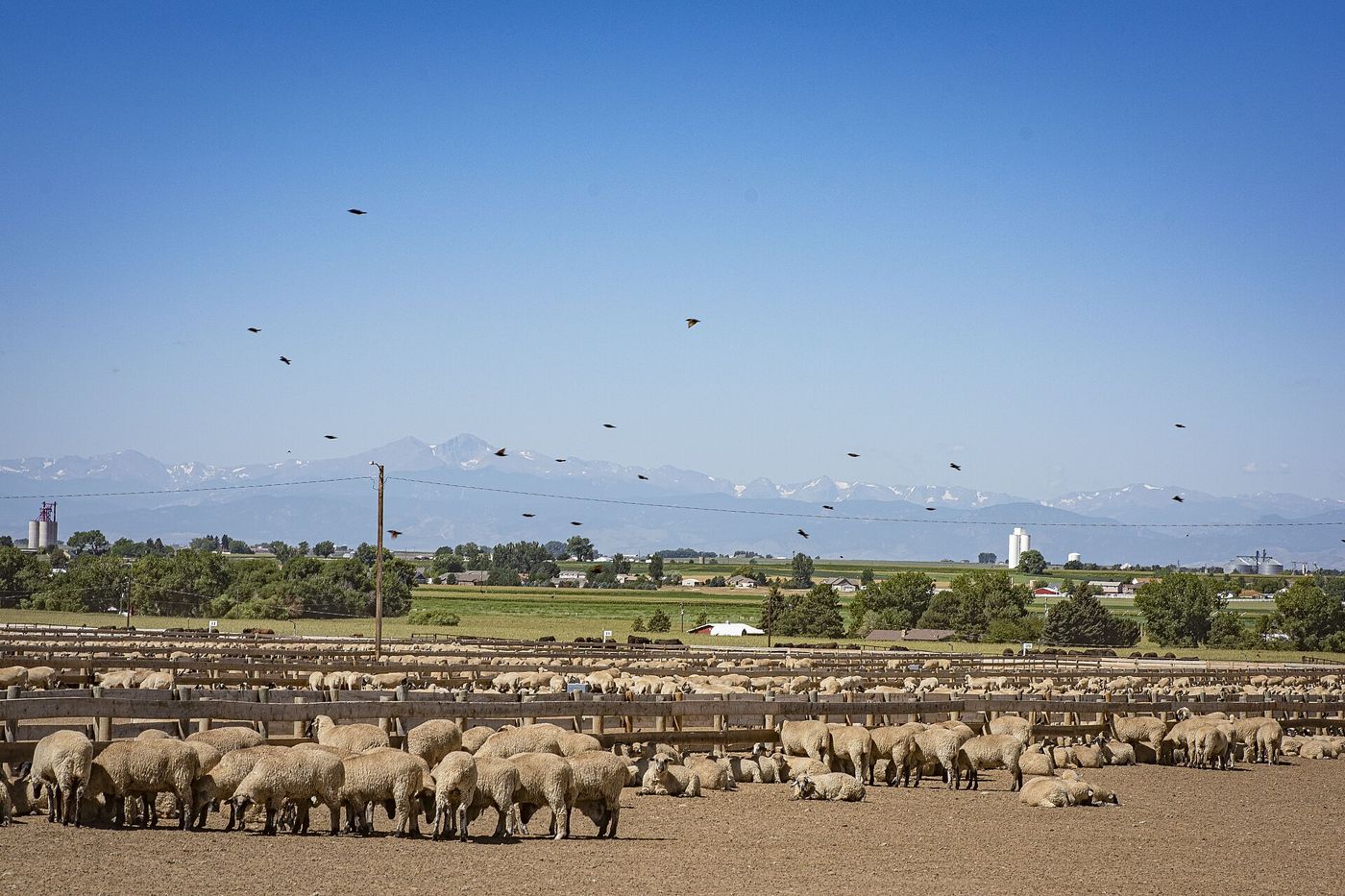
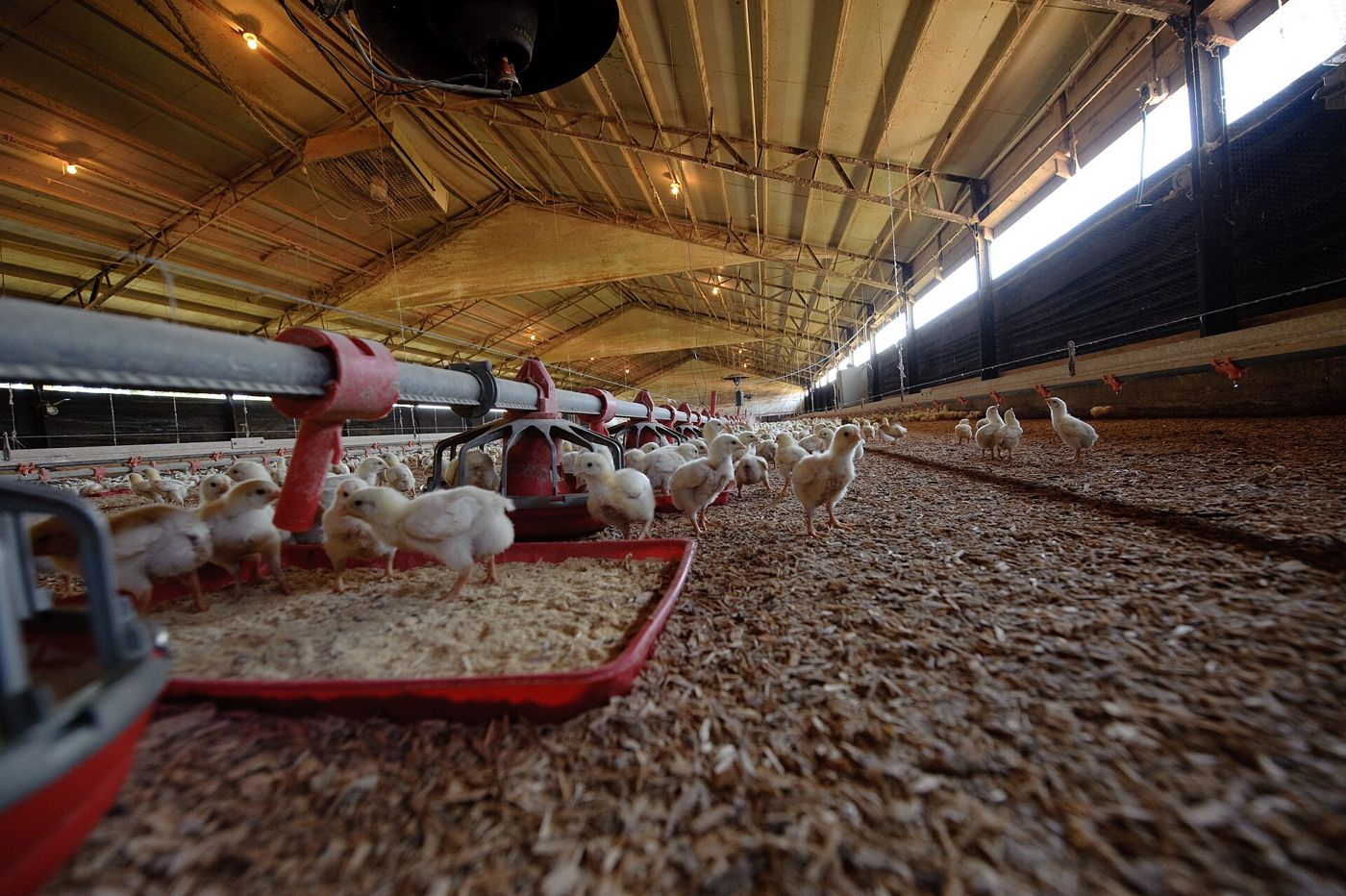
Magnolia Pictures: “In Food, Inc., filmmaker Robert Kenner lifts the veil on our nation’s food industry, exposing the highly mechanized underbelly that’s been hidden from the American consumer…” With the writers Eric Schlosser (Fast Food Nation) and Michael Pollan (The Omnivore’s Dilemma), the film visits chicken farms, feedlots, corn fields, a meat plant, organic farms and a supermarket.
Start with the trailerFilm study sheetJustice & the environment
Film sheet

Film study sheet · printable, clickable, with QR code.
Open the printable sheethttps://trame-lycee.netlify.app/films/fiche-food-inc.html
Film credits
| Title | Food, Inc. (USA, 2008), documentary |
|---|---|
| Director | Robert Kenner |
| Writers | Robert Kenner, Elise Pearlstein, Kim Roberts |
| Producers | Robert Kenner, Elise Pearlstein |
| With | Michael Pollan, Eric Schlosser (also narrators), Joel Salatin (Polyface Farms), Gary Hirshberg (Stonyfield Farm), Carole Morison (former Perdue grower), Barbara Kowalcyk (food safety advocate) |
| Editing | Kim Roberts |
| Music | Mark Adler |
| Production | Participant Media, River Road Entertainment |
| Distributor | Magnolia Pictures |
| Running time | 94 minutes |
| Release | Toronto, 7 September 2008 · USA, 12 June 2009 |
| Rating | PG |
| Awards | Nominated for the Oscar for Best Documentary Feature (82nd Academy Awards, 2010) |
Film language, with examples from the official trailer
Timecodes are approximate (± 2 s). Pause the trailer and check each example yourself.
Shots
| Word | Meaning |
|---|---|
| establishing shot / extreme long shot | shows the place; people look tiny |
| long shot | a whole body in its setting |
| medium shot | from the waist up |
| close-up | a face fills the frame: emotion |
| extreme close-up | a detail: eyes, a hand, an object |
| two-shot | two characters in one frame: a relationship |
| over-the-shoulder shot | we watch one character through another’s position |
- ≈0:33close-up on packaged chicken in a supermarket: the product we see
- ≈0:51medium shot of a family at a table: the human cost
- ≈1:57medium close-up interview of a farmer in a straw hat: a witness speaks
Angles
| Word | Meaning |
|---|---|
| eye level | neutral, we are equal with the character |
| high angle | camera above: the character looks small or weak |
| low angle | camera below: the character looks powerful |
| canted (Dutch) angle | tilted frame: unease, a world out of balance |
| bird’s-eye view | straight down from above |
- ≈0:39frontal shot of a supermarket wall of products: abundance or illusion?
Camera movement
| Word | Meaning |
|---|---|
| pan | the camera turns horizontally |
| tilt | the camera moves up or down |
| tracking shot | the camera travels with a character or a car |
| zoom | the lens brings us closer |
| handheld camera | shaky, urgent, documentary feel |
| crane / aerial shot | the camera flies above the scene |
- ≈1:27fast tracking shot along supermarket shelves: speed and quantity
Lighting & colour
| Word | Meaning |
|---|---|
| high-key lighting | bright, few shadows: optimism |
| low-key lighting | dark, strong shadows: tension, mystery |
| backlighting | light behind a character: a halo or a silhouette |
| natural light | sun, windows, candles |
| colour palette | the dominant colours of the film |
- ≈0:15an old farm image cut into a grid: the past broken into pieces
- ≈1:45golden sunset behind farm silos: nostalgia for the traditional farm
- ≈0:27cold industrial light on processed meat
Sound
| Word | Meaning |
|---|---|
| diegetic sound | the characters can hear it (a radio, a piano on stage) |
| non-diegetic sound | only the audience hears it (the score, a narrator) |
| voice-over | a voice we hear over the images |
| score | music composed for the film |
| silence | no sound: a shock, a pause |
| sound bridge | a sound that continues into the next scene |
- ≈0:00a calm narrator’s voice-over sets the facts
- whole trailerinterviews (testimony) mixed with music that builds tension
Editing
| Word | Meaning |
|---|---|
| cut | a direct change of shot |
| cross-cutting | alternating between two places or stories |
| montage | a fast series of shots that compresses time |
| fade to black | the image disappears: an ending, a pause |
| intertitle | text on screen between images |
| slow motion | time slows down: importance, emotion |
- ≈0:45animated graphics: a corn plant turns into many products
- ≈0:57motion graphics with official portraits: the links between industry and government
Step into the period
Daily life
- 2000s USA: supermarkets, drive-throughs, cheap fast food, rising obesity
- Meat from a few huge companies; farmers under contract
Music
- The documentary’s score by Mark Adler
Fashion
- Farmers’ work clothes, factory protective gear, supermarket uniforms
Places
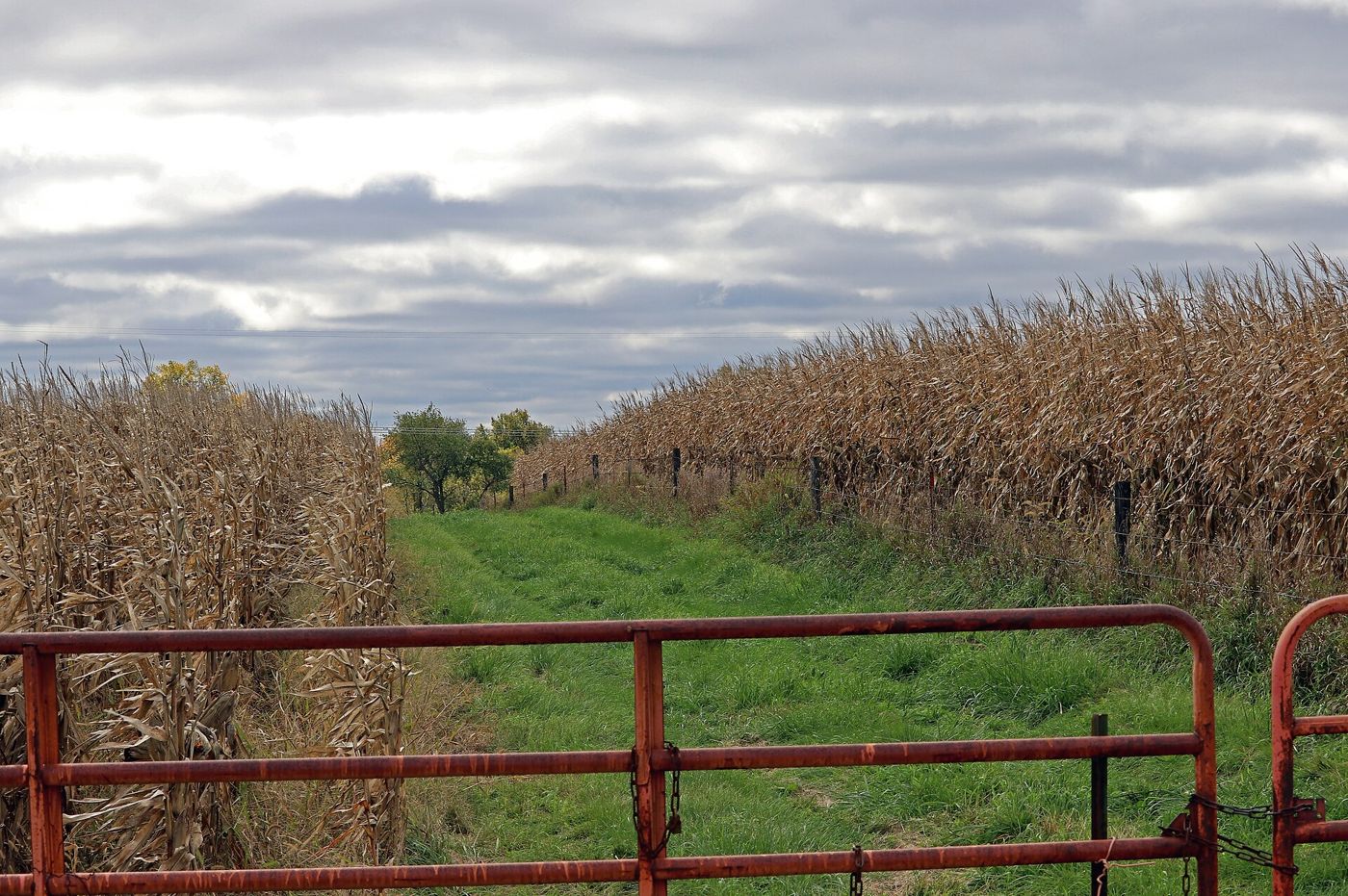
- Chicken houses in Kentucky and Maryland, huge cattle feedlots, corn fields in Iowa
- Polyface Farms in Virginia, a meat plant in North Carolina, supermarkets
Historical landmarks
- 1906 Upton Sinclair publishes The Jungle; Congress passes the Pure Food and Drug Act and new federal meat safety laws.
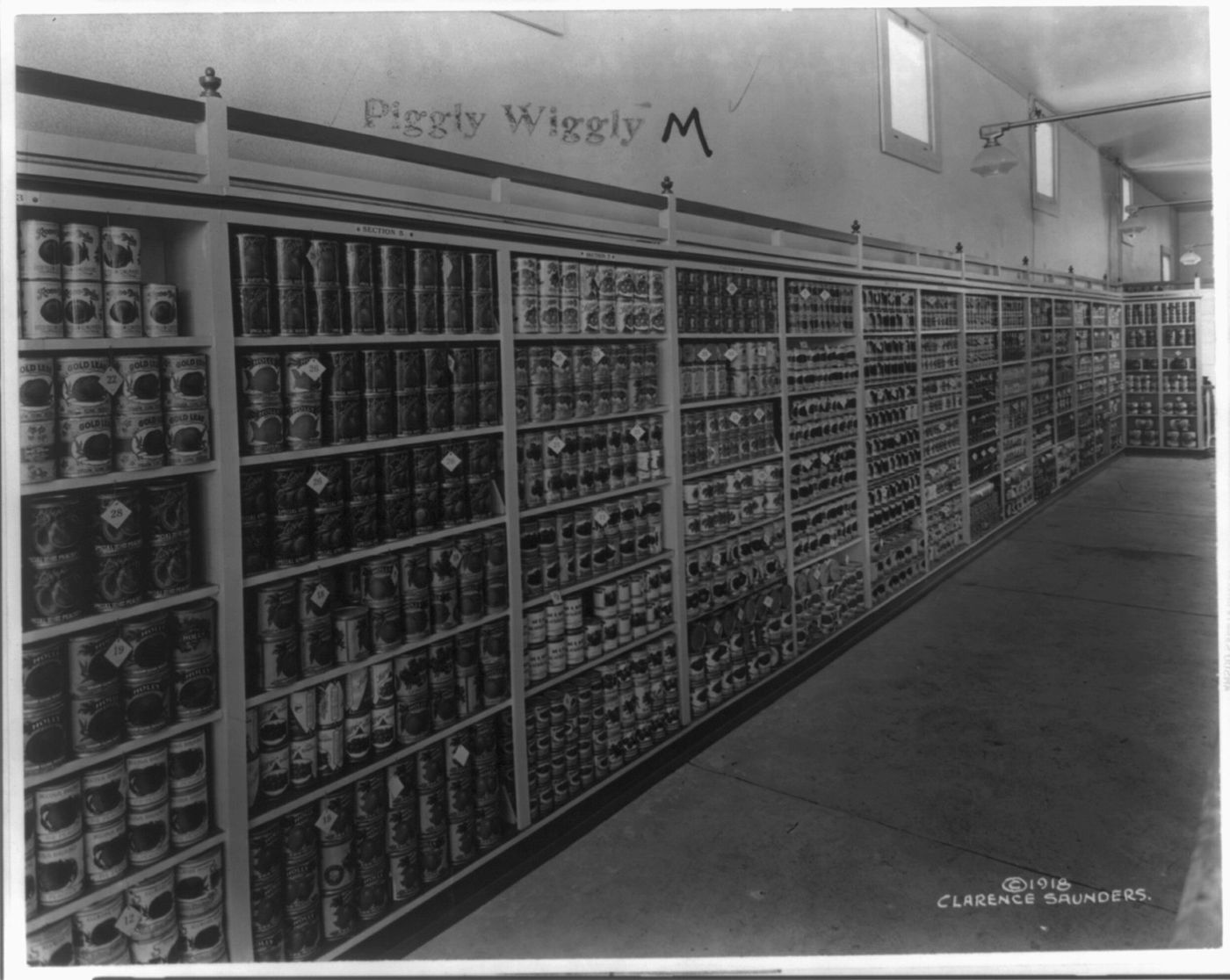
- 1916 The first Piggly Wiggly, a self-service grocery store, opens in Memphis.
- 1940 The McDonald brothers open a restaurant in San Bernardino, California.
- 1955 Ray Kroc opens his first McDonald’s franchise (Illinois).
- 1990 The Nutrition Labeling and Education Act makes nutrition labels compulsory on most packaged foods.
- 1993 An E. coli outbreak linked to hamburgers from Jack in the Box restaurants sickens hundreds of people.
- 2001 Eric Schlosser publishes Fast Food Nation.
- 2006 Michael Pollan publishes The Omnivore’s Dilemma.
- 2008 Food, Inc. premieres in Toronto.
- 2010 Oscar nomination; the Healthy, Hunger-Free Kids Act changes school meals.
- 2011 The FDA Food Safety Modernization Act.
- 2024 Food, Inc. 2 is released.
Sources: Magnolia Pictures, Food, Inc. · FDA, Food labeling & nutrition
Watch
Official trailer (Magnolia Pictures)
Official channel: Magnolia Pictures & Magnet Releasing · https://www.youtube.com/watch?v=Rjh5aZKgtSY
First viewing, numbers and facts
- How much has the way we eat changed, according to the first sentence?
- How many products does a modern supermarket have on average?
- How many days does it take to grow a chicken now?
- Which plant is behind “so much of our industrial food”?
- Which three foods are mentioned in the contamination examples?
- Which industry is given as “a perfect model” of change?
Answer key
- More in the last 50 years than in the previous 10,000.
- 47,000.
- 49 days (instead of three months).
- Corn.
- Peanut butter (salmonella), spinach and apple juice (E. coli).
- The tobacco industry.
Second viewing, exact words
- “The industry doesn’t want you to know the ___ about what you’re eating.”
- “…to grow it faster, fatter, bigger, ___.”
- “When you go through the supermarket, there is an ___ of diversity.”
- “When we run an item past the supermarket scanner, we’re ___ for local or not, organic or not.”
- “People have got to start ___ good, wholesome food of us.”
Answer key
- truth
- cheaper
- illusion
- voting
- demanding
Film language
The language of documentary
| Technique | Example | Effect |
|---|---|---|
| voice-over narration | ≈0:00 “The way we eat has changed…” | authority, facts |
| interview / testimony | ≈1:57 farmer in a straw hat | credibility, emotion |
| animated graphics | ≈0:45 corn products | makes a complex idea simple |
| archive / old images | ≈0:15 old farm image in a grid | contrast past / present |
| statistics on screen and in speech | 47,000 products; 49 days | shock, persuasion |
Sentence starters
- A documentary is not neutral: it chooses…
- The director persuades us by…
- The most effective technique is… because…
Context & history
From farm to factory
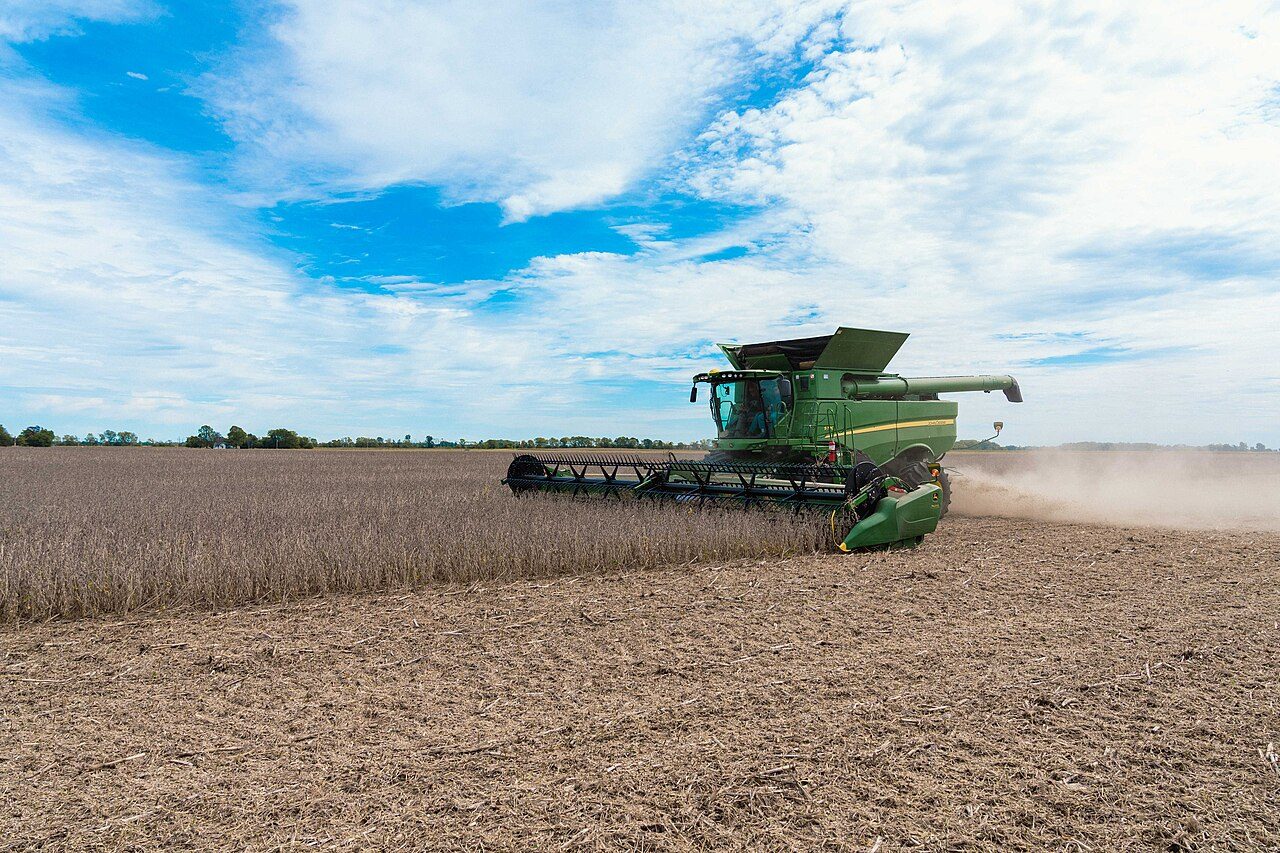
Since the 1950s, American agriculture has become industrial: bigger farms, fewer farmers, monocultures of corn and soybeans, and animals raised in large concentrated operations. A few big companies control most of the meat market. The film argues that this system makes food cheap but hides costs: animal welfare, workers’ safety, pollution and public health.
Critical thinking, the other side
The big food companies refused to be interviewed. After the release, Monsanto and an alliance of meat producers created websites to answer the film’s claims; Cargill said the film offered “one-size-fits-all” answers to the complex task of feeding the world. A Forbes commentator wrote that the film does not explain how its model could feed everyone, nor address cost and access.
- Why is it a problem for a documentary when one side refuses to speak?
- Is cheap food a good thing or a bad thing? For whom?
Sentence starters
- A documentary can be one-sided when…
- Cheap food helps… but it also…
- To check the film’s claims, I would…
Read a label
Look at an official Nutrition Facts label (Super Size Me tab gallery or FDA). Find serving size, calories, sugars, sodium.
Characters
Who speaks in the film
| Person | Role | Point of view |
|---|---|---|
| Michael Pollan | journalist, author of The Omnivore’s Dilemma | critic of industrial food |
| Eric Schlosser | journalist, author of Fast Food Nation | critic of corporate power |
| Joel Salatin | farmer, Polyface Farms, Virginia | local, grass-based farming |
| Carole Morison | former chicken grower under contract | a farmer trapped by the system |
| Barbara Kowalcyk | mother and food safety advocate | stronger food safety laws |
| Gary Hirshberg | CEO of Stonyfield Farm, organic yogurt | organic can become big business |
Sentence starters
- … is a reliable witness because…
- … and … disagree about…
Speak
1 · Continuous speech, 2 minutes: “Three facts that shocked me”
Sentence starters
- The first fact that struck me is…
- What surprised me most is…
- This matters because…
2 · Interaction, the supermarket buyer
Pairs: a local farmer tries to convince a supermarket buyer to sell her products. Negotiate price, quantity, label.
Sentence starters
- My products are…
- Your customers want…
- I can offer…, if you…
3 · Debate, “Is cheap food too expensive?”
Sentence starters
- The real cost of food includes…
- Not everyone can afford…
Write
Write
B1 · 150 words: Write a short review of the trailer for a school website.
B2 · 250 words: “Every time we buy food, we vote.” Discuss.
Sentence starters
- This documentary reveals…
- The trailer convinced me because…
- Consumers have the power to… but…
For the exam
For the exam. In the baccalauréat général, English (LVA / LVB) is assessed through continuous assessment: your annual average in 1re and in Tle counts (coefficient 3 each year). At the end of Tle, your teachers also certify your CEFR level in each skill, listening, reading, writing, speaking (continuous) and speaking (interaction), on your official language certificate. Every task below is built on those five skills, with authentic documents linked to a programme axis, exactly like your class assessments.
- Listening: trailer (numbers, facts) · Reading: synopsis and reactions · Speaking: facts, negotiation, debate · Writing: review / essay.
Project
Project, “The journey of a meal”
In groups, choose one product from the trailer (chicken, corn, tomato, hamburger). Create an infographic of its journey from farm to plate: places, distances, actors, environmental impact. Present it in 2 minutes.
Sentence starters
- Our product starts its journey in…
- Along the way,…
Closing: place & exchange
Step 1 · A place found or lost
Everything is exchange, and we can only give and receive from a place. First find each character’s place; then look at four kinds of exchange; then go deeper: what passes between the characters inside · trust, love, respect, meaning? Who do they become, not only what do they own?
Which people in the film are losing their place, and who is fighting to keep it?
Sentence starters
- At the start, …’s place is…
- At the end, … has found / lost his/her place because…
Answer key
- Farmers and workers lose their place; Barbara Kowalcyk and Joel Salatin fight to keep a voice.
Step 2 · Four kinds of exchange
| Kind of exchange | In the film |
|---|---|
| Political | Barbara Kowalcyk campaigns for “Kevin’s Law” on food safety. |
| Emotional | A mother’s grief; a family choosing between cheap fast food and vegetables. |
| General interest | Safe food for everybody. |
| Human rights | Workers in the meat plants; farmers who feel they cannot speak. |
Sentence starters
- The political exchange in the film is between… and…
- …gives… to…, and in return…
- This exchange serves the general interest because…
- …defends the right to…
Step 3 · Beyond what they have: who they are
Now go deeper, from the place each character has found or lost. Talk about the characters only.
- Barbara Kowalcyk lost her son Kevin. What does she give to other families through her fight?
- Carole Morison, a chicken farmer, lets the cameras in. What does she risk, and why does she do it?
- Joel Salatin talks about his farm and his animals. What kind of relationship with food and with others does he describe?
Sentence starters
- What really passes between… and… is…
- …does not only give…; he/she gives…
- Thanks to…, …understands who he/she is.
- At the end, what matters for… is not what he/she has but…
- This exchange changes… because…
- From his/her new place, … can at last give / receive…
Closing sentence (write it): From the place they find or lose, the deepest exchange in this film is…
Answer key
- Her story becomes protection for others: grief is turned into action for strangers.
- She risks her contract; she wants the public to know the truth.
- A relationship of respect and responsibility, food as a link between people, animals and land, not only a product.
- Model closing sentence: Behind every product, the film shows people, and what they choose to defend.
Teacher
Teacher notes
- PG, trailer approved for all audiences. The film includes slaughterhouse images: use the trailer only.
- Axes: 2nde « Défis et transitions » · 1re « L’être humain et la nature », « Innovations scientifiques et responsabilité ».
- Trailer: Magnolia Pictures channel, checked by oEmbed. Industry responses: Cargill, Monsanto, American Meat Institute; Forbes.

Share this film study
https://trame-lycee.netlify.app/films/food-inc.html
Created by Madame Carole Paoli Pompougnac.