
Film studies · Trame
Film study 8 of 11

Shakespeare in Love

John Madden · 1998 · London, 1593: a young playwright with writer’s block, a woman who dreams of the stage, and the birth of Romeo and Juliet.

Lycée général · 2nde → TleCEFR B1 → B2Axis: Create and re-createAxis: Art and powerAxis: Fictions & realitiesR · trailer, stills, synopsis only

Background photo: Unknown · Public domain

Why this film for you?

Who is allowed on stage, and who is left in the wings?

In 1593 London, women could not act on the public stage: boys played the female roles. The film imagines a young woman who breaks the rule, and a young Shakespeare looking for his voice.

We always talk about the characters, never about our own private life.

A personal note from your teacher

I was lucky enough to be an intern at the Royal Shakespeare Company in 1984 and 1985, in Stratford-upon-Avon and in London. I got in thanks to my cousin, Cécile Paoli, who was playing Katherine of France opposite Kenneth Branagh in Henry V. In Stratford, I lodged with Mrs Barnacle, a lady who welcomed actors, theatre temps and stage assistants into her charming little house. At the Company, I met Kenneth Branagh, then married to Emma Thompson. I was a close friend of Alan Rickman, who was playing the melancholy Jaques in As You Like It, and I worked alongside Frances Tomelty. That same season, Michael Gambon was playing King Lear in Stratford. Years later, he would become Professor Dumbledore alongside Alan Rickman’s Severus Snape in the Harry Potter films. I got to know all of them personally at the Dirty Duck, the pub where all the actors of the Royal Shakespeare Company gathered. To me, they were ordinary colleagues and friends, but I knew they were extraordinary, and I watched them take off in an incredible way. My master’s thesis was on Stanislavski’s staging of Othello, which gave me the chance to meet Ben Kingsley, who was then playing Othello at the Royal Shakespeare Theatre, shortly after his Oscar for Gandhi. I was terrified at the idea of meeting him, but our conversation stayed very professional, because we both knew our subject very well.

Madame Carole Paoli Pompougnac

Partie 1 · Pour l'enseignant

Guide de l'enseignant

Un film ne sort pas de nulle part : il questionne. Ce guide suit trois temps, avant, pendant, après le film, puis donne les adaptations par niveau et le corrigé de la fiche élève.

Pourquoi ce film ?

Londres, 1593 : les femmes n’ont pas le droit de jouer sur une scène publique ; des garçons tiennent les rôles féminins. Le film imagine Viola, qui se déguise pour jouer, et un jeune Shakespeare en panne d’inspiration qui écrit Roméo et Juliette. Question : qui a le droit de monter sur scène, et qui reste en coulisses ?

Culture

Le théâtre élisabéthain (le Rose, le Globe), Élisabeth Ire, les garçons acteurs, la première actrice professionnelle sur une scène anglaise (1660).

Langue

L’anglais de Shakespeare (thee, thou, sonnet) face à l’anglais moderne ; jeux de mots du film.

Esprit critique

Fiction et histoire : ce que le film invente (Viola) et ce qui est vrai (les théâtres, la censure).

Classé R (sexualité) : bande-annonce, photos et synopsis uniquement ; le film n’est pas projeté en classe.

Les élèves parlent toujours des personnages, jamais d'eux-mêmes : aucune question ne porte sur leur vécu personnel.

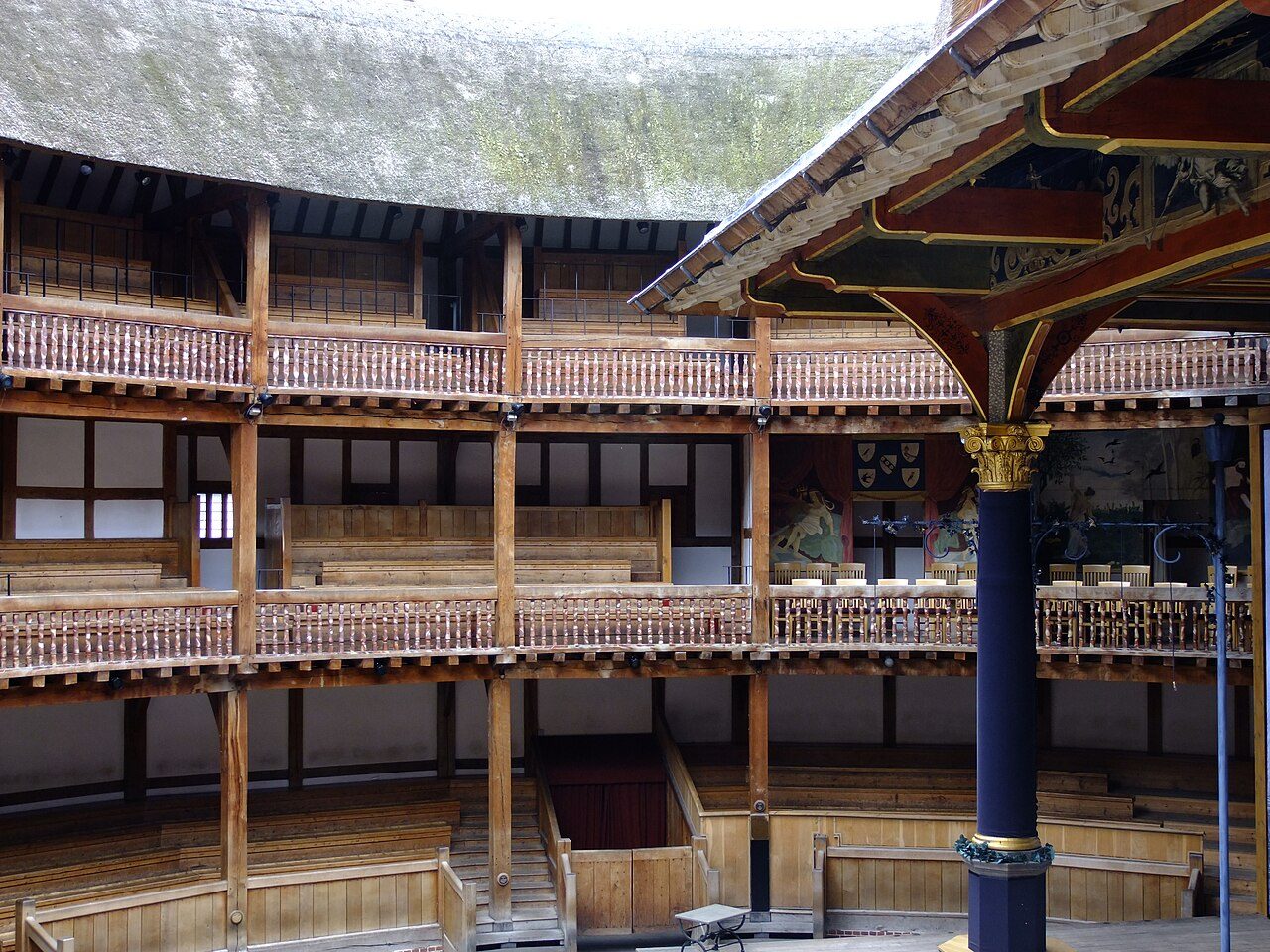
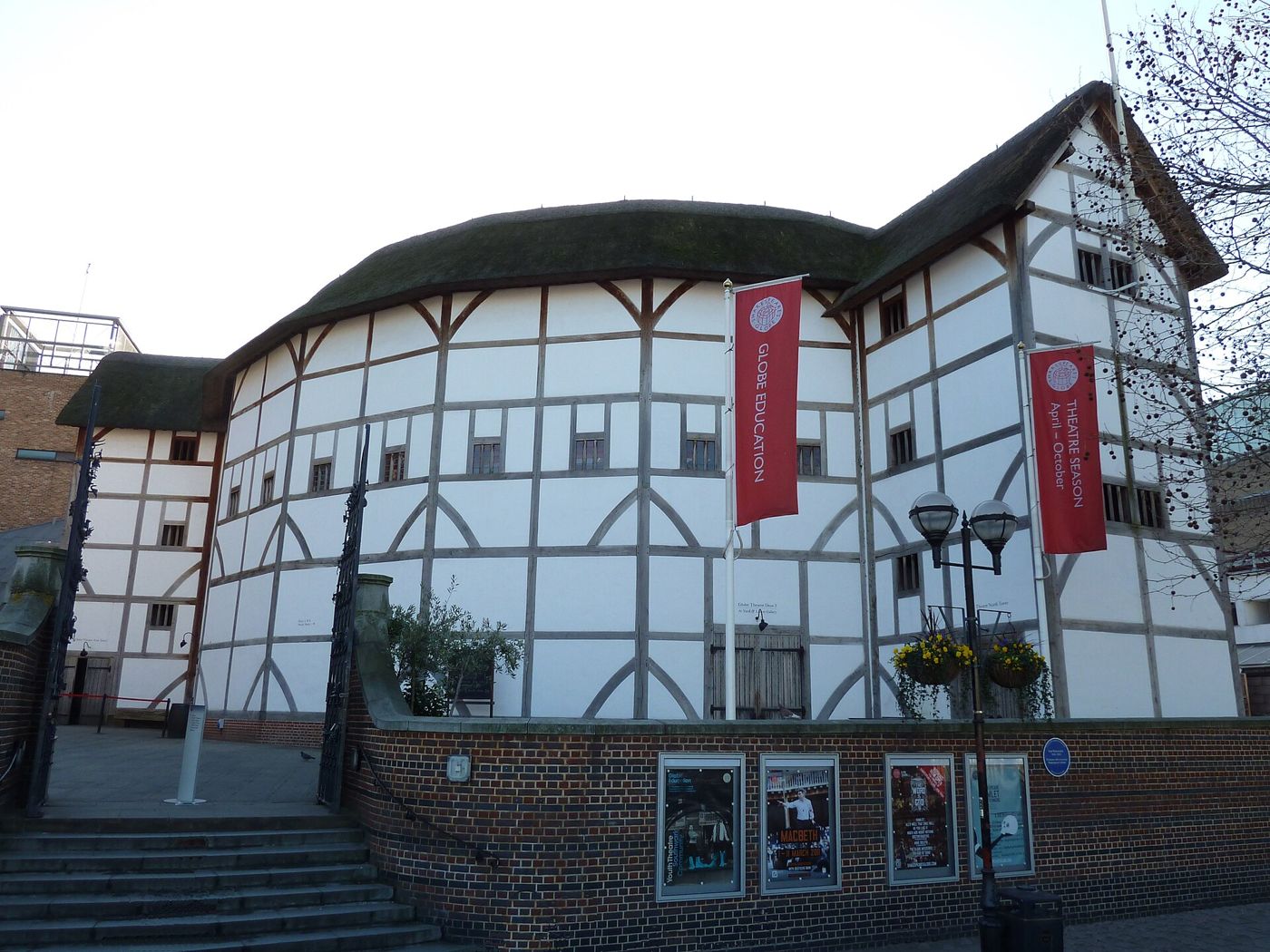
Inside Shakespeare’s Globe, London

Temps 1

Avant le film

Inside Shakespeare’s Globe, London Photo: Paul Farmer · CC BY-SA 2.0 · Wikimedia Commons

a · Contexte historique et culturel

Projetez les repères ; montrez le Globe reconstruit et la page de titre de Roméo et Juliette (1597).

Project in class · Key dates

  1. 1558

    Elizabeth I becomes Queen.

  2. 1564

    William Shakespeare is born in Stratford-upon-Avon.

  3. 1576

    The Theatre, one of London’s first purpose-built playhouses, opens.

  4. 1587

    Philip Henslowe builds the Rose theatre.

  5. 1588

    The English defeat the Spanish Armada.

  6. 1593

    Plague closes the London theatres; the film is set this year.

  7. c.1595

    Shakespeare writes Romeo and Juliet.

  8. 1597

    First printed edition (Quarto 1) of Romeo and Juliet.

  9. 1599

    The Globe theatre opens.

  10. 1603

    Death of Elizabeth I.

  11. 1616

    Death of Shakespeare.

  12. 1660

    8 December: the first recorded professional actress appears on an English stage, as Desdemona.

  13. 1997

    The reconstructed Shakespeare’s Globe opens in London.

  14. 1999

    Shakespeare in Love wins 7 Oscars.

Say it with…

  • « In …, … »
  • « One important date is… because… »
  • « This explains why the characters… »
  • « The film is set … years after… »
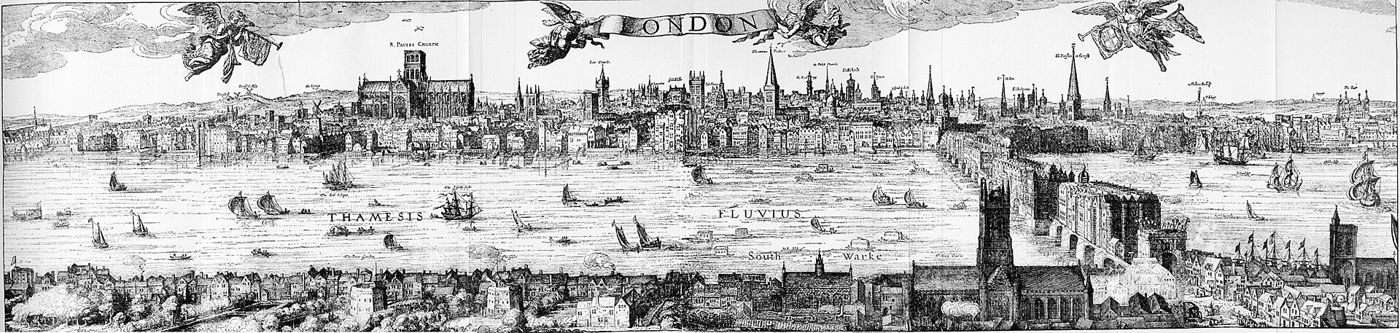
London and the Thames, Visscher panorama, 1616
London and the Thames, Visscher panorama, 1616 · Photo: Unknown · Public domain
Shakespeare’s Globe, the reconstructed theatre in London
Shakespeare’s Globe, the reconstructed theatre in London · Photo: Anthony O'Neil · CC BY-SA 2.0
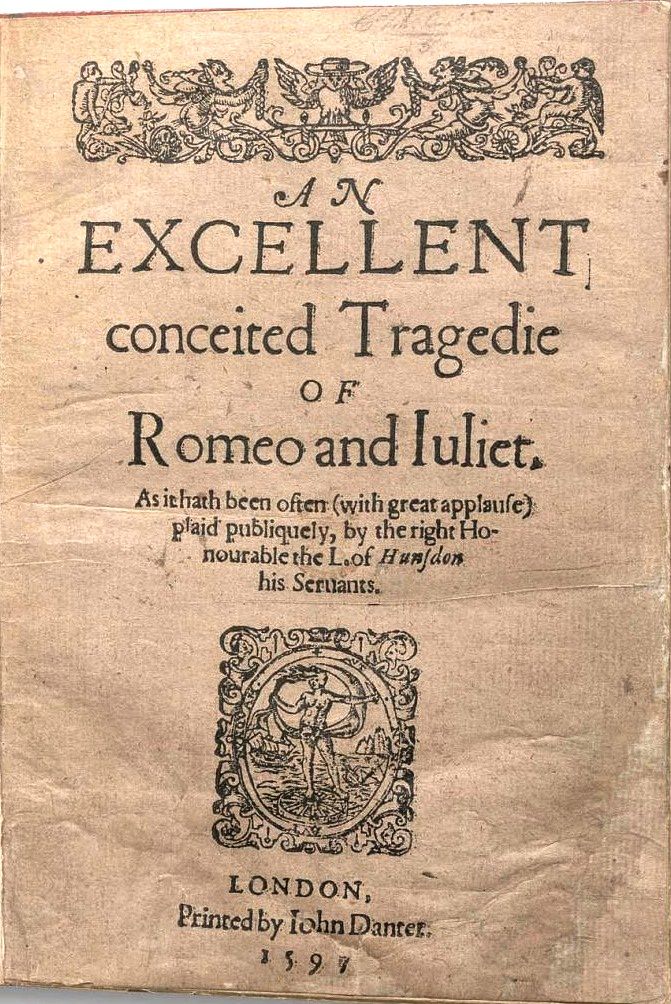
First printed edition of Romeo and Juliet, 1597
First printed edition of Romeo and Juliet, 1597 · Photo: John Danter · Public domain
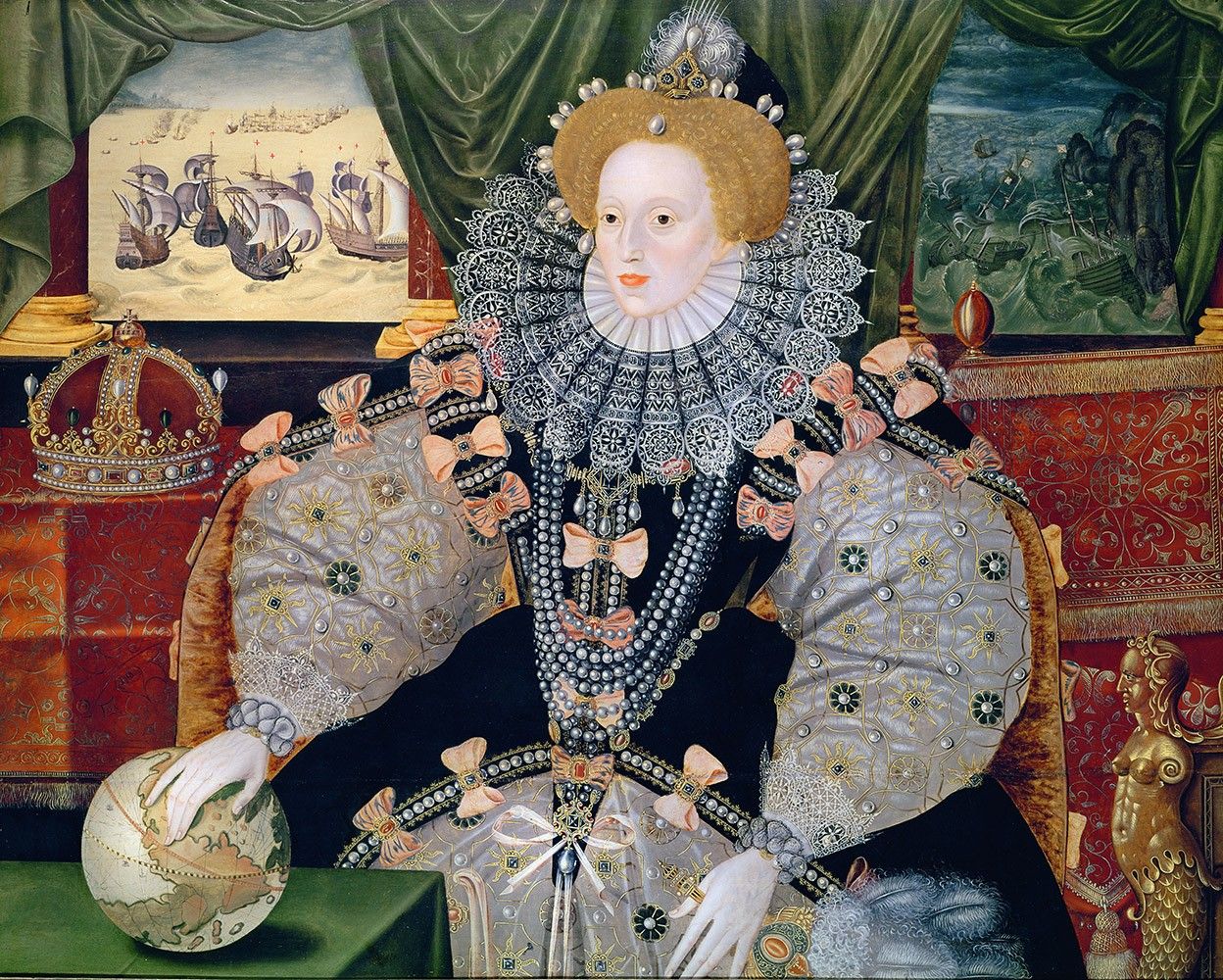
Elizabeth I, the Armada Portrait
Elizabeth I, the Armada Portrait · Photo: Formerly attributed to George Gower · Public domain

b · Échauffement lexical

Projetez la banque de mots ; faites répéter les répliques de la bande-annonce en imitant les voix. Les minutages renvoient à la bande-annonce officielle et sont approximatifs (± 2 s).

Project in class · Word bank

Heard in the trailer
  • « I have a play to write. » (trailer)
  • « I’ll have poetry in my life. And adventure. And love, above all. » (trailer)
  • « The show must go on. » (trailer)
  • « You kiss by the book. » (end of the trailer), a real line from Romeo and Juliet
Idioms and expressions
  • writer’s block · when a writer cannot write
  • the show must go on · we continue, whatever happens
  • to be in the wings · to wait at the side of the stage, unseen
  • to steal the show · to be the best on stage
  • behind the scenes · in secret, out of sight
The accents
  • British English (RP) in a historical setting.
  • Shakespeare’s English: thee, thou, thy, art (= you, your, are).
The Elizabethan stage
  • a playhouse · a theatre
  • a boy actor · a boy who played women’s roles
  • the Master of the Revels · the official censor
  • a sonnet · a poem of 14 lines
  • a playwright · a writer of plays

Use the words with…

  • « Will has writer’s block because… »
  • « In 1593, women… »
  • « Viola wants to… »
  • « “The show must go on” means… »

c · Guide d'anticipation

  1. Les élèves se positionnent (agree / disagree) sur quatre affirmations, avant de voir quoi que ce soit.
  2. Montrez l'affiche officielle (en ligne, sur le site du distributeur, elle n'est pas reproduite ici), puis le titre seul.
  3. Premier visionnage de la bande-annonce sans le son : hypothèses sur le thème. Second visionnage avec le son : on vérifie.

Project in class · Agree or disagree?

StatementBeforeAfter
Great art comes from real life.☐ A ☐ D☐ A ☐ D
An unfair rule should be challenged.☐ A ☐ D☐ A ☐ D
Love can inspire a writer.☐ A ☐ D☐ A ☐ D
A film about history must be accurate.☐ A ☐ D☐ A ☐ D

Make hypotheses with…

  • « On the poster, I can see… »
  • « The title makes me think of… »
  • « Without the sound, I think the film is about… »
  • « I agree / disagree because… »
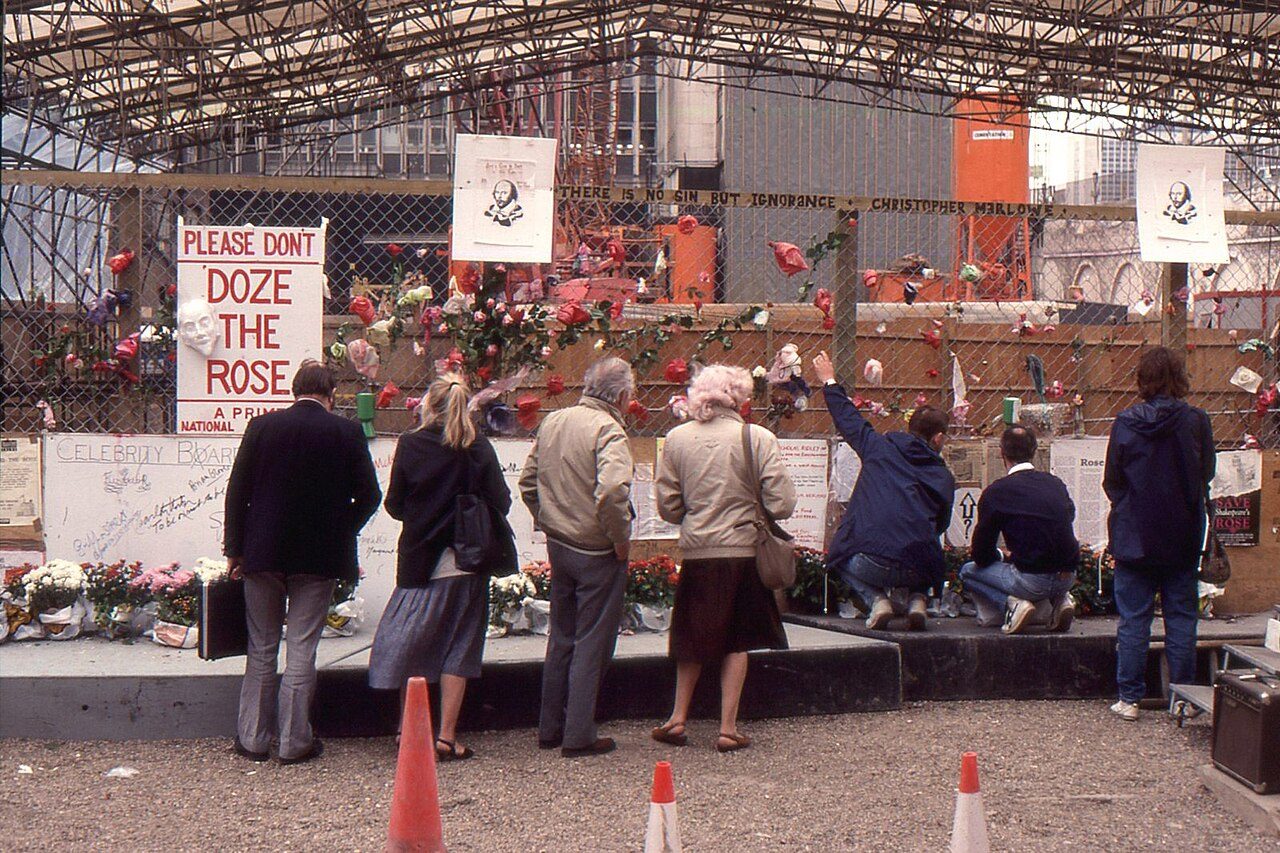
The remains of the Rose Theatre, Bankside, found in 1989

Temps 2

Pendant le film

The remains of the Rose Theatre, Bankside, found in 1989 Photo: Christopher Hilton · CC BY-SA 2.0 · Wikimedia Commons

Classé R : bande-annonce, photos et synopsis uniquement. On visionne la bande-annonce officielle en entier, en trois passages : on fait une pause après chacun. Les questions détaillées et leurs corrigés sont dans l’onglet Watch de la boîte à outils, en bas de page.

ÉtapeMinutageCe qu'on travaille
1 · Global understandingbande-annonce entière · 30 s sans le son, puis avecQui, où, quand, quel problème ? Questions « First viewing » (onglet Watch).
2 · Exact wordsbande-annonce entièreRépliques à compléter (« Second viewing »), puis répétition à voix haute.
3 · Film languagebande-annonce entièreLes moments de la partie 4 de la fiche élève : plans, angles, lumière, musique.

Consignes ciblées : trois groupes, une fiche par groupe (à projeter ou imprimer), puis mise en commun.

Project in class · Focus groups

Group A · Music

Listen to Stephen Warbeck’s score (an Oscar). When is it joyful, when is it romantic?

Note it with…

  • « The music is joyful when… »
  • « It becomes romantic when… »
Group B · Relationships

Watch Will, Viola, the Queen and Lord Wessex. Who has power?

Note it with…

  • « The Queen has power because… »
  • « Viola must obey… »
Group C · Historical accuracy

Find details of 1593: costumes, candles, the theatre, the plague. What is true, what is invented?

Note it with…

  • « The wooden theatre is… »
  • « Viola is invented, but… »
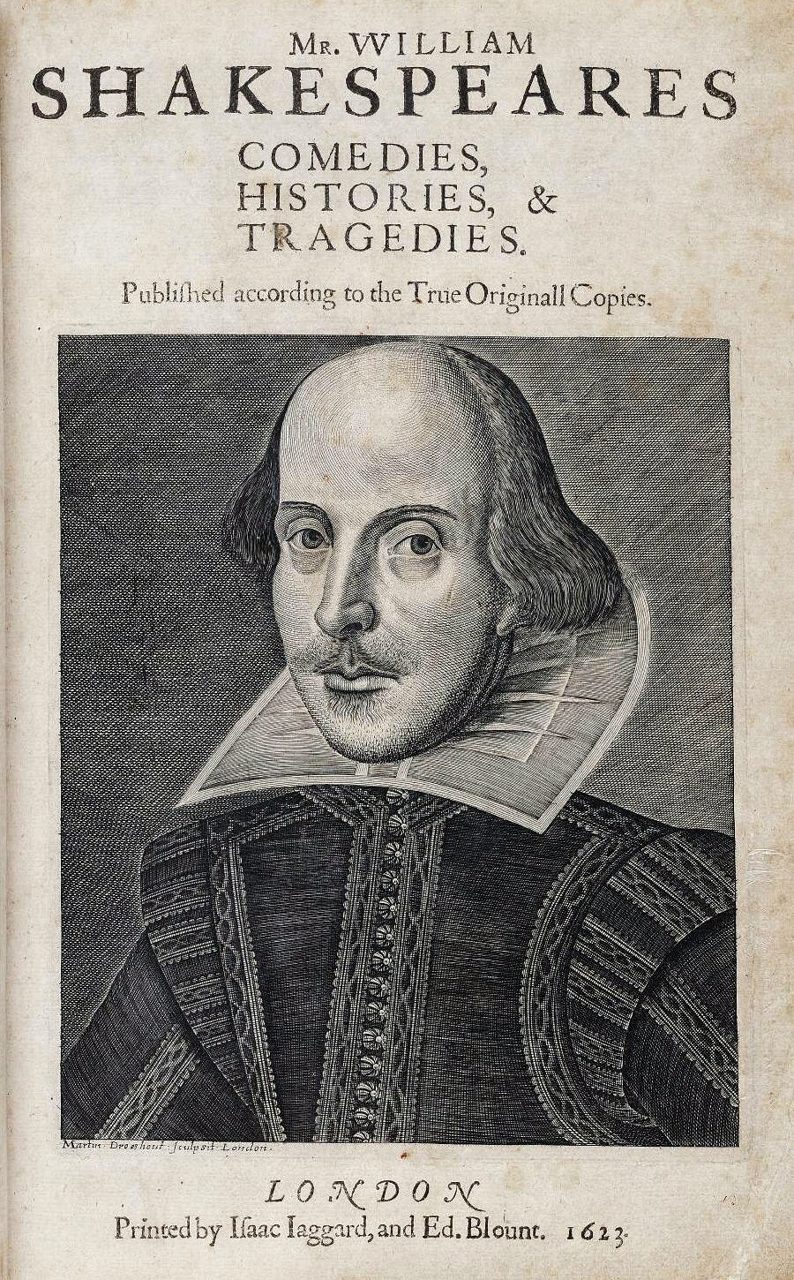
Title page of the First Folio, 1623

Temps 3

Après le film

Title page of the First Folio, 1623 Image: Isaac Jaggard and Edward Blount, publishers · Public domain · Wikimedia Commons

Débat : chaque binôme reçoit un dilemme, prépare deux arguments, puis débat avec un autre binôme. Fin du film : Viola joue Juliette devant la reine, qui protège la représentation ; Viola doit pourtant partir avec Lord Wessex, et Will commence La Nuit des rois, dont l’héroïne s’appelle Viola.

Project in class · Moral dilemmas

  • Viola disguises herself as a man to act. Is lying acceptable to follow your dream?
  • Viola must marry Lord Wessex. Should she obey her family?
  • Will borrows ideas from his friend Marlowe. Is that stealing?
  • Is it right for a film to invent a love story for a real writer?

Debate with…

  • « In my opinion, … should have… because… »
  • « I see your point, but… »
  • « On the one hand…, on the other hand… »
  • « That’s why I think… »

Prolongement créatif : au choix, selon le niveau (voir le tableau des adaptations).

Project in class · Creative extension (choose one)

An alternative ending

Imagine Viola stays in London and keeps acting. Write the scene.

Start with…

  • « The Queen says… »
  • « Viola decides to… »
Viola’s diary

Write Viola’s diary after her first rehearsal disguised as a boy.

Start with…

  • « Today, for the first time,… »
  • « Nobody knew that… »
A film review

Write a review for a theatre website.

Start with…

  • « Shakespeare in Love is a romantic comedy which… »
  • « I would recommend it to… because… »

Adaptations par niveau

La fiche élève (partie 2) change selon le niveau choisi : mêmes questions, débuts de phrases et longueur d'écrit adaptés. Choisissez le niveau avec les boutons de la partie 2.

NiveauLangueAvant / pendantAprès · production
2ndeA2+ → B1Frise en 5 dates ; mots de l’anglais de Shakespeare ; groupes A, B, C.Paragraphe de 80 à 100 mots ; journal de Viola ; débat sur un dilemme.
1reB1 → B2Frise complète ; montage en miroir (répétitions / histoire d’amour).Critique de 120 à 150 mots ; fin alternative ; débat.
TleB2Fiction et histoire ; comparaison avec Roméo et Juliette (Quarto 1, 1597).Critique argumentée de 180 à 200 mots ; débat sur la place des femmes.

Corrigé de la fiche élève

Réponses modèles en anglais (niveau intermédiaire ; simplifiez ou développez selon le niveau).

Answer key · open

1 1998 · Other: USA / UK · Comedy + Historical (romantic comedy). 2.1 London, 1593: the Rose theatre, the court, the streets. 2.2 Introduction: young Will Shakespeare has writer’s block. Climax: Viola, disguised as a boy, gets the role of Romeo; they fall in love; the theatres are closed and the secret is discovered. Resolution: Viola plays Juliet before the Queen, but must leave with Lord Wessex; Will begins Twelfth Night.

3.1 Viola: passionate, brave, loves poetry; flaw: she must lie to everyone. Will: talented, but borrows ideas. 3.2 The law against women on stage, the censor, Lord Wessex. 3.3 Theatre as national culture; the Queen; social class; the place of women.

4 ≈0:18 close-up of a hand writing with a quill: creation; ≈0:48 long shot of a rehearsal: the life of the playhouse. Warm candlelight, joyful score. 5.1 Art comes from life, love and collaboration; talent should not depend on gender. 5.2 Open answer.

Questions de compréhension, langage du cinéma, oral, écrit et examen avec leurs corrigés : onglets de la boîte à outils ci-dessous. · Fiche film imprimable : fiche-shakespeare-in-love.

Part 2 · For students

Student’s worksheet

Choose your level: the questions and the sentence starters change for you.

1 · Your level

Name:

Date:

Film title:

Director:

Talk and write about the characters and the film, never about your own private life.

1 General identification

1.1 Year of release:

Start with…

  • « The film was released in… »

Start with…

  • « The film was released in…, and it is set in… »

Start with…

  • « Released in…, the film looks back at… »

1.2 Country of origin:

☐ USA   ☐ United Kingdom   ☐ Other: ________

Start with…

  • « It is a … film directed by… »

Start with…

  • « It is a … film, made by a … director. »

Start with…

  • « This … production, directed by…, … »

1.3 Genre (tick one or two):

☐ Drama   ☐ Comedy   ☐ Sci-Fi   ☐ Historical   ☐ Thriller   ☐ Social Realism   ☐ Other: ________

Start with…

  • « I think it is a … because the film shows… »

Start with…

  • « It belongs to … : it shows… »

Start with…

  • « It mixes … and …, which allows the director to… »
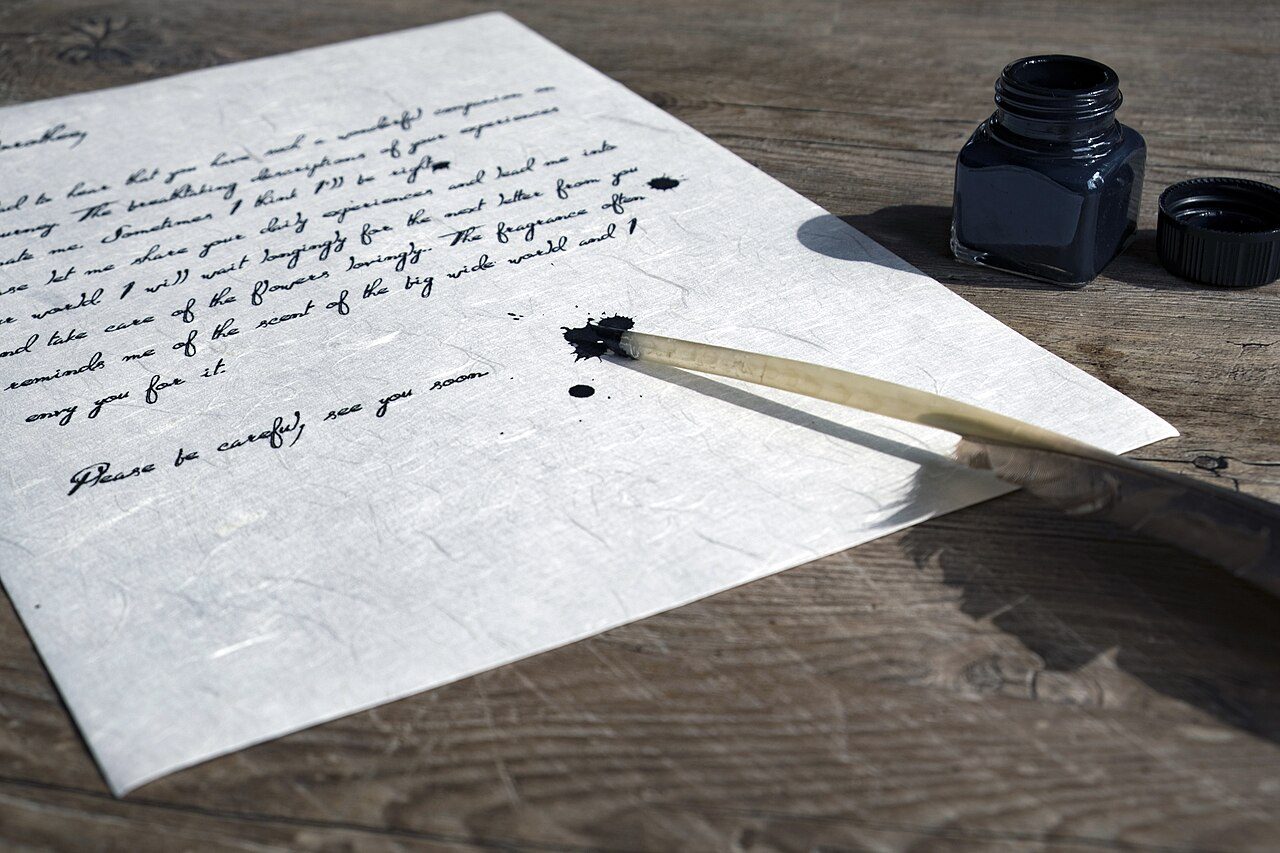
A quill pen, ink and a handwritten letter
A quill pen, ink and a handwritten letter Photo: Tool Dude8mm · CC BY 2.0 · Wikimedia Commons
London and the Thames, Visscher panorama, 1616
London and the Thames, Visscher panorama, 1616 · Photo: Unknown · Public domain

2 Plot & setting

2.1 Where and when does the story take place? Describe the place and the time.

Start with…

  • « The film is set in… in… »
  • « We can see… »

Start with…

  • « The story is set in…, at a time when… »
  • « The setting looks… because… »

Start with…

  • « Set in…, the film shows a place where… »
  • « The setting reflects… »

2.2 Sum up the main conflict in 3 sentences.

• Introduction

Start with…

  • « At the beginning, Viola… because… »

Start with…

  • « The film opens on Viola, who… »

Start with…

  • « The opening introduces Viola, a character who… »

• Climax (turning point)

Start with…

  • « Everything changes when… »

Start with…

  • « The turning point is when…, so… »

Start with…

  • « The turning point comes when…, which forces Viola to… »

• Resolution

Start with…

  • « In the end, Viola understands that… »

Start with…

  • « Finally, Viola realises that…, so… »

Start with…

  • « The ending suggests that… »
Shakespeare’s Globe, the reconstructed theatre in London
Shakespeare’s Globe, the reconstructed theatre in London · Photo: Anthony O'Neil · CC BY-SA 2.0
First printed edition of Romeo and Juliet, 1597
First printed edition of Romeo and Juliet, 1597 · Photo: John Danter · Public domain

3 Character analysis

3.1 The protagonists: Will Shakespeare and Viola de Lesseps. Motivations and main flaws?

Start with…

  • « The main character is Viola, who… »
  • « Viola wants to… because… »
  • « The main flaw is that… »

Start with…

  • « Viola is motivated by… »
  • « However, the main weakness is…, which is why… »

Start with…

  • « The driving force behind Viola is… »
  • « This flaw makes the character…, yet… »

3.2 The antagonist (the opposing force): who or what stops the protagonist?

Start with…

  • « The opposing force is the rule that keeps women off the stage, who / which… »

Start with…

  • « the rule that keeps women off the stage stands in the way because… »
  • « But the real obstacle may also be… »

Start with…

  • « Beyond the rule that keeps women off the stage, the film points to… »
  • « The real antagonist could be…, since… »

3.3 Cultural identity: how does the film show English identity and values (the theatre, the Queen, social class, the place of women)?

Start with…

  • « In 1593, women cannot… »
  • « The Queen is… »

Start with…

  • « The theatre is a place where… »
  • « Social class decides… »

Start with…

  • « The film turns Elizabethan England into… »
  • « Viola challenges a society in which… »
Elizabeth I, the Armada Portrait
Elizabeth I, the Armada Portrait · Photo: Formerly attributed to George Gower · Public domain
Inside Shakespeare’s Globe, London
Inside Shakespeare’s Globe, London Photo: Paul Farmer · CC BY-SA 2.0 · Wikimedia Commons

4 Cinematic techniques

Use the official trailer: choose one moment from the list below.

  • ≈0:18 · a hand writing with a quill
  • ≈0:48 · a rehearsal on a wooden stage
  • ≈1:15 · Queen Elizabeth in a golden dress
  • ≈1:27 · the handwritten title

4.1 Camera angles & shots: describe one memorable moment. Is it a close-up (focus on emotion) or a wide shot (focus on the place)?

Start with…

  • « At …, there is a … of… »
  • « It shows that… »

Start with…

  • « The director uses a … shot to… »
  • « This angle makes … look… »

Start with…

  • « The … at … invites the audience to… »
  • « By framing … this way, the director suggests that… »

4.2 Soundtrack & lighting: how do the music or the colours make you feel in that moment?

Start with…

  • « The music makes me feel… because… »
  • « The light is…, so… »

Start with…

  • « The music creates a … atmosphere. »
  • « The lighting makes … look… »

Start with…

  • « The contrast between … and … suggests… »
  • « The colour palette reflects… »
The remains of the Rose Theatre, Bankside, found in 1989
The remains of the Rose Theatre, Bankside, found in 1989 Photo: Christopher Hilton · CC BY-SA 2.0 · Wikimedia Commons
Title page of the First Folio, 1623
Title page of the First Folio, 1623 Image: Isaac Jaggard and Edward Blount, publishers · Public domain · Wikimedia Commons

5 Critical thinking & personal opinion

5.1 Thematic core: what message is the director trying to send to the audience?

Start with…

  • « The message of the film is that… »
  • « The director wants us to… »

Start with…

  • « John Madden shows that… »
  • « The film warns us that… »

Start with…

  • « The film suggests that…, because… »
  • « Ultimately, it questions… »

5.2 The question of the film: « Who is allowed on stage, and who is left in the wings? » Answer it now, after the study.

Start with…

  • « My answer is… because… »
  • « At first I thought…, now I think… »

Start with…

  • « In my opinion,… For example, in the trailer… »
  • « The film made me think again about… »

Start with…

  • « I would argue that…, as shown by… »
  • « However, one could object that… »

5.3 Your review · Star rating: ☆ ☆ ☆ ☆ ☆

Write a paragraph (80 to 100 words).

Write a review (120 to 150 words) with two arguments and an example.

Write a review (180 to 200 words): two arguments, a concession and a conclusion.

Start with…

  • « I would recommend this film to… because… »
  • « What I liked most was… »
  • « However,… »

Start with…

  • « I would (not) recommend this film because… »
  • « The best moment of the trailer is… because… »
  • « On the other hand,… »

Start with…

  • « Shakespeare in Love is a … film which… »
  • « What makes it relevant today is… »
  • « Even though…, I would recommend it to… »

Sources

  • Video: official trailer, Miramax (YouTube), moments checked on the trailer.
  • Folger Shakespeare Library · Shakespeare’s Globe · Project Gutenberg · Romeo and Juliet.
  • Photos: Wikimedia Commons and public-domain archives, credited under each image. No still from the film is reproduced.
  • Activities, sentence starters and model answers: Madame Carole Paoli Pompougnac.

Toolbox · all the activities

Comprehension, film language, context, characters, speaking, writing, exam and project, with answer keys. Use them with the guide and the worksheet above.

Cultural concept

Elizabethan theatre

London’s playhouses around 1600: boy actors, censors, royal patronage, and the birth of plays still performed today.

Key question: Where does a great work of art come from?

Route A · The film as a starting point

Watch → Film language → Context & history → Characters → Speak → Write → Project → Closing: place & exchange

Route B · The film as the final task

Context & history → Characters → Speak → Write → Watch the trailer → Film language → Final task: Project → Closing: place & exchange

Guiding thread: Finding one’s place in the world · Sub-thread: Giving and receiving, we can only give and receive from a place.
Theme: Creating & dreaming

Overview

Hook, finding one’s place

Guiding thread: Finding one’s place in the world · Sub-thread: Giving and receiving, we can only give and receive from a place.

The reconstructed Shakespeare’s Globe theatre, London
The reconstructed Shakespeare’s Globe theatre, London · Photo: Anthony O'Neil · CC BY-SA 2.0 · Wikimedia Commons

Finding one’s place in the world · Young people today

Viola de Lesseps is forbidden to act because she is a woman, so she disguises herself to take her place on stage. Today, how do young people fight for a place in art, culture or sport when the door is closed to them?

Sentence starters

  • Viola has to hide who she is because…
  • Some young people today fight for… by…
  • Art can give young people a place because…
  • When a door is closed, young people can…

Visionary filmmakers. Back in 1998, director John Madden was already putting a young woman who fights for her place on stage at the heart of a popular film, long before equality in the arts became a mainstream debate.

Talk about the characters and about young people in general, not about yourself.

Then, a second question:

Where do great stories come from? From imagination, from real life, from other stories? This film imagines how Shakespeare wrote Romeo and Juliet.

Sentence starters

  • I think a writer finds ideas in…
  • A love story is universal because…
  • Art can be born from…

The film in three lines

London, 1593. Young Will Shakespeare has promised a comedy, Romeo and Ethel, the Pirate’s Daughter, but he cannot write. Viola de Lesseps, a wealthy young woman who loves poetry, disguises herself as a boy to act, because women are forbidden on the stage. Their story inspires the play that becomes Romeo and Juliet.
Start with the trailerFilm study sheet

London and the Thames, Visscher panorama, 1616
London and the Thames, Visscher panorama, 1616Photo: Unknown · Public domain
Shakespeare’s Globe, the reconstructed theatre in London
Shakespeare’s Globe, the reconstructed theatre in LondonPhoto: Anthony O'Neil · CC BY-SA 2.0
First printed edition of Romeo and Juliet, 1597
First printed edition of Romeo and Juliet, 1597Photo: John Danter · Public domain
Elizabeth I, the Armada Portrait
Elizabeth I, the Armada PortraitPhoto: Formerly attributed to George Gower · Public domain

Film sheet

QR code to the printable film study sheet

Film study sheet · printable, clickable, with QR code.

Open the printable sheet

https://trame-lycee.netlify.app/films/fiche-shakespeare-in-love.html

Film credits

TitleShakespeare in Love (USA / UK, 1998)
DirectorJohn Madden
ScreenplayMarc Norman and Tom Stoppard
CastJoseph Fiennes (Will Shakespeare), Gwyneth Paltrow (Viola de Lesseps), Geoffrey Rush (Philip Henslowe), Colin Firth (Lord Wessex), Ben Affleck (Ned Alleyn), Judi Dench (Queen Elizabeth I), Simon Callow (Edmund Tilney, Master of the Revels), Tom Wilkinson (Hugh Fennyman), Imelda Staunton (the Nurse)
CinematographyRichard Greatrex
EditingDavid Gamble
MusicStephen Warbeck (Oscar)
DistributorMiramax Films (USA), Universal (international)
Running time123 minutes
Release (USA)11 December 1998
RatingR, sexuality
Awards71st Academy Awards (1999): 13 nominations, 7 Oscars, Best Picture, Actress (Paltrow), Supporting Actress (Dench), Original Screenplay, Score, Art Direction, Costume Design

Film language, with examples from the official trailer

Timecodes are approximate (± 2 s). Pause the trailer and check each example yourself.

Shots

WordMeaning
establishing shot / extreme long shotshows the place; people look tiny
long shota whole body in its setting
medium shotfrom the waist up
close-upa face fills the frame: emotion
extreme close-upa detail: eyes, a hand, an object
two-shottwo characters in one frame: a relationship
over-the-shoulder shotwe watch one character through another’s position
  • openingclose-up on a hand writing with a quill: the film is about writing
  • stage sceneslong shots of the wooden theatre, the crowd standing in the pit

Angles

WordMeaning
eye levelneutral, we are equal with the character
high anglecamera above: the character looks small or weak
low anglecamera below: the character looks powerful
canted (Dutch) angletilted frame: unease, a world out of balance
bird’s-eye viewstraight down from above
  • Queenthe Queen filmed from below on her throne: royal power
  • balconyhigh and low angles between a balcony and the ground, like Romeo and Juliet

Camera movement

WordMeaning
panthe camera turns horizontally
tiltthe camera moves up or down
tracking shotthe camera travels with a character or a car
zoomthe lens brings us closer
handheld camerashaky, urgent, documentary feel
crane / aerial shotthe camera flies above the scene
  • rehearsalthe camera circles the actors on stage
  • streetstracking shots through muddy, crowded London streets

Lighting & colour

WordMeaning
high-key lightingbright, few shadows: optimism
low-key lightingdark, strong shadows: tension, mystery
backlightinglight behind a character: a halo or a silhouette
natural lightsun, windows, candles
colour palettethe dominant colours of the film
  • interiorswarm candlelight, gold and red: a painting-like Elizabethan world
  • nightblue night light for secret meetings

Sound

WordMeaning
diegetic soundthe characters can hear it (a radio, a piano on stage)
non-diegetic soundonly the audience hears it (the score, a narrator)
voice-overa voice we hear over the images
scoremusic composed for the film
silenceno sound: a shock, a pause
sound bridgea sound that continues into the next scene
  • scoreStephen Warbeck’s romantic orchestral score (non-diegetic)
  • end“You kiss by the book.”, a line from the play heard in the trailer

Editing

WordMeaning
cuta direct change of shot
cross-cuttingalternating between two places or stories
montagea fast series of shots that compresses time
fade to blackthe image disappears: an ending, a pause
intertitletext on screen between images
slow motiontime slows down: importance, emotion
  • montageparallel editing between rehearsal and real love: life and art mirror each other
  • ≈1:30handwritten title: the film becomes a page

Step into the period

Daily life

  • London around 1593: about 200,000 people, the Thames as the main “road”
  • Plague closes the theatres several times
  • Theatres stand outside the City of London’s control, on the south bank and in the northern suburbs

Music

  • Lute, viol and songs; music between scenes and at the end of plays

Fashion

  • Ruffs, doublets and hose for men; corsets, farthingales and jewels for rich women
  • Actors wear costumes often bought from rich people’s old clothes

Places

  • The Rose theatre (Henslowe’s), the Curtain, later the Globe (1599)
  • Whitehall Palace, where plays were performed for the Queen

Historical landmarks

  • 1558 Elizabeth I becomes Queen.
  • 1564 William Shakespeare is born in Stratford-upon-Avon.
  • 1576 The Theatre, one of London’s first purpose-built playhouses, opens.
  • 1587 Philip Henslowe builds the Rose theatre.
  • 1588 The English defeat the Spanish Armada.
  • 1593 Plague closes the London theatres; the film is set this year.
  • c.1595 Shakespeare writes Romeo and Juliet.
  • 1597 First printed edition (Quarto 1) of Romeo and Juliet.
  • 1599 The Globe theatre opens.
  • 1603 Death of Elizabeth I.
  • 1616 Death of Shakespeare.
  • 1660 8 December: the first recorded professional actress appears on an English stage, as Desdemona.
  • 1997 The reconstructed Shakespeare’s Globe opens in London.
  • 1999 Shakespeare in Love wins 7 Oscars.

Sources: Project Gutenberg, Romeo and Juliet · Folger Shakespeare Library · Shakespeare’s Globe

Watch

Official trailer (Miramax)

Official channel: Miramax · https://www.youtube.com/watch?v=v5R5La5f3eo

First viewing

  1. In which city and century are we? Give two visual clues.
  2. What is Will’s problem at the beginning?
  3. What is the funny original title of his play?
  4. Who is Viola, and what does she want?
  5. Which famous line closes the trailer?
Answer key
  1. London, 16th century: costumes, candles, wooden theatre, the Queen.
  2. He cannot write, writer’s block; he needs inspiration.
  3. “Romeo and Ethel, the Pirate’s Daughter”.
  4. A rich young woman who loves poetry and wants to act.
  5. “You kiss by the book.”

Second viewing, exact words

  1. “I have a ___ to write.”, “Sonnet? You mean a ___?”
  2. “I’ll have ___ in my life. And adventure. And love, above all.”
  3. “The show must go ___.”
Answer key
  1. sonnet · play
  2. poetry
  3. on

Film language

A film that looks like a painting

Use the Film sheet tab. Then compare one frame of the trailer with the Armada Portrait of Elizabeth I in the Overview tab: colours, light, costume, position of the body.

Sentence starters

  • Both images use… to show power.
  • The warm lighting suggests…
  • The framing places the Queen…

Mirror structure

The film cuts between rehearsals of the play and Will and Viola’s own story. Why is this parallel editing important?

Sentence starters

  • The editing mirrors… and…
  • Art imitates life when…
  • This shows that the writer…

Context & history

Elizabethan theatre

According to the Folger Shakespeare Library, women did not act in the professional theatre in Shakespeare’s time: boys played the female roles. The first recorded professional English actress appeared on 8 December 1660, as Desdemona in Othello. Playhouses were noisy, open-air, cheap for the “groundlings” standing in the pit, and controlled by the Master of the Revels, who could censor or close them.

Read the real text, public domain

The Prologue of Romeo and Juliet (Project Gutenberg):

Two households, both alike in dignity,
In fair Verona, where we lay our scene,
From ancient grudge break to new mutiny,
Where civil blood makes civil hands unclean.
From forth the fatal loins of these two foes
A pair of star-cross’d lovers take their life;

William Shakespeare, Romeo and Juliet, Prologue · Project Gutenberg #1513

“What’s in a name? That which we call a rose / By any other name would smell as sweet;”

Juliet, Act 2, Scene 2

“Good night, good night. Parting is such sweet sorrow”

Juliet, Act 2, Scene 2
  1. What is a sonnet? Count the lines of the full Prologue.
  2. What does “star-cross’d” tell us about the ending?
  3. Explain “What’s in a name?” in modern English.
Answer key
  1. A 14-line poem; the Prologue is a sonnet.
  2. The lovers are unlucky, destined by the stars: the ending will be tragic.
  3. A name is only a label; Romeo would be the same person with another family name.

Fact or fiction?

We know very little about Shakespeare’s private life. Viola is invented; Henslowe, Ned Alleyn, Edmund Tilney and Elizabeth I were real. Is it a problem for a film to invent a love story for a real writer?

Sentence starters

  • The film is honest because…
  • The risk is that viewers believe…
  • Fiction can reveal a truth about creation:…

Characters

Character (actor)WhoKey word
Will Shakespeare (Joseph Fiennes)young playwright looking for inspirationcreativity
Viola de Lesseps (Gwyneth Paltrow)rich young woman who disguises herself to act (invented)passion
Queen Elizabeth I (Judi Dench)the monarch who loves playspower
Lord Wessex (Colin Firth)the aristocrat Viola must marrymoney / status
Philip Henslowe (Geoffrey Rush)owner of the Rose theatre, always in debtsurvival
Edmund Tilney (Simon Callow)Master of the Revels, the censorcontrol

Sentence starters

  • … represents… in the film.
  • Viola’s disguise shows that…
  • The Queen has the power to…

Speak

1 · Continuous speech, 2 minutes

Present the trailer and explain how it mixes history and fiction.

Your time2:00

Sentence starters

  • The trailer takes us to…
  • We meet…
  • What is historical is…, what is invented is…
  • I would / wouldn’t recommend it because…

2 · Interaction, the audition

Pairs. A plays Henslowe, who needs actors and money. B plays a young actor who wants the role of Romeo. Negotiate. Then perform the Prologue together, four lines each.

3 minutes3:00

Sentence starters

  • Why should I give you the part?
  • I can… and I have…
  • What will you pay me?
  • Let me show you…

3 · Debate, “Should artists be free from censorship?”

Use Tilney and the Queen as examples.

Sentence starters

  • In Elizabethan England,…
  • Art needs freedom because…
  • On the other hand, some limits…

4 · Review in 60 seconds

Record1:00

Sentence starters

  • If you love… you will…
  • The best moment of the trailer is…

Write

Write

B1 · 150 words: Write Viola’s diary entry the night after her first rehearsal.

B2 · 220 to 250 words: “Art is born from life.” Discuss using the film and Romeo and Juliet.

Sentence starters

  • Dear diary, today I…
  • I had to hide…
  • Art and life are connected because…
  • Shakespeare’s Prologue already announces…

For the exam

For the exam. In the baccalauréat général, English (LVA / LVB) is assessed through continuous assessment: your annual average in 1re and in Tle counts (coefficient 3 each year). At the end of Tle, your teachers also certify your CEFR level in each skill, listening, reading, writing, speaking (continuous) and speaking (interaction), on your official language certificate. Every task below is built on those five skills, with authentic documents linked to a programme axis, exactly like your class assessments.

  • Listening: trailer · Reading: Prologue and Folger facts · Speaking: audition, debate, review · Writing: diary / essay.

Project

Project, “The Prologue, our way”

In groups, perform the 14-line Prologue in three styles (Elizabethan, news report, rap or slam), and record a 1-minute making-of explaining your choices.

Sentence starters

  • We chose this style because…
  • The hardest line was…

Closing: place & exchange

Step 1 · A place found or lost

Everything is exchange, and we can only give and receive from a place. First find each character’s place; then look at four kinds of exchange; then go deeper: what passes between the characters inside · trust, love, respect, meaning? Who do they become, not only what do they own?

Where may Viola go in Elizabethan London, and where is she forbidden?

Sentence starters

  • At the start, …’s place is…
  • At the end, … has found / lost his/her place because…
Answer key
  1. Viola is forbidden on stage; she takes her place there in disguise, and Will finds his voice.

Step 2 · Four kinds of exchange

Kind of exchangeIn the film
PoliticalQueen Elizabeth, the Master of the Revels and the power to close a theatre.
EmotionalWill and Viola.
General interestTheatre for everyone, from the Queen to the crowd.
Human rightsWomen are not allowed to act on stage.

Sentence starters

  • The political exchange in the film is between… and…
  • …gives… to…, and in return…
  • This exchange serves the general interest because…
  • …defends the right to…

Step 3 · Beyond what they have: who they are

Now go deeper, from the place each character has found or lost. Talk about the characters only.

  1. What do Will and Viola give each other?
  2. Viola cannot stay with Will. What remains of their exchange?
  3. At the end, Will starts writing a new heroine. What does this show about the link between love and creation?

Sentence starters

  • What really passes between… and… is…
  • …does not only give…; he/she gives…
  • Thanks to…, …understands who he/she is.
  • At the end, what matters for… is not what he/she has but…
  • This exchange changes… because…
  • From his/her new place, … can at last give / receive…

Closing sentence (write it): From the place they find or lose, the deepest exchange in this film is…

Answer key
  1. He gives her poetry and the stage; she gives him inspiration and courage.
  2. Words and a play: their love lives on in the work and in the audience.
  3. Love becomes art: what they were for each other passes to the public.
  4. Model closing sentence: Love becomes words, and words are shared with the world.

Teacher

Teacher notes

Rated R (sexuality). Work with the trailer, the synopsis and the public-domain play only. Do not screen the film.
  • Axes: 2nde « Créer et recréer » · 1re « Art et pouvoir » · Tle « Fictions et réalités ».
  • Trailer: Miramax channel, checked by oEmbed. Quotes from Project Gutenberg #1513.

Full teacher page (FR) →

QR code to this film study

Share this film study

https://trame-lycee.netlify.app/films/shakespeare-in-love.html

Created by Madame Carole Paoli Pompougnac.